






Luxury Branding | India’s branded residences evolve into wealth assets as demand for iconic addresses grows
Luxury branding has long been associated with fashion houses, luxury automobiles and five-star hospitality. Today, India’s premium residential market is rapidly joining that league. A home is...

Luxury branding has long been associated with fashion houses, luxury automobiles and five-star hospitality. Today, India’s premium residential market is rapidly joining that league. A home is no longer marketed solely through its location or architecture. Instead, developers are building brands that promise prestige, exclusivity and enduring value.
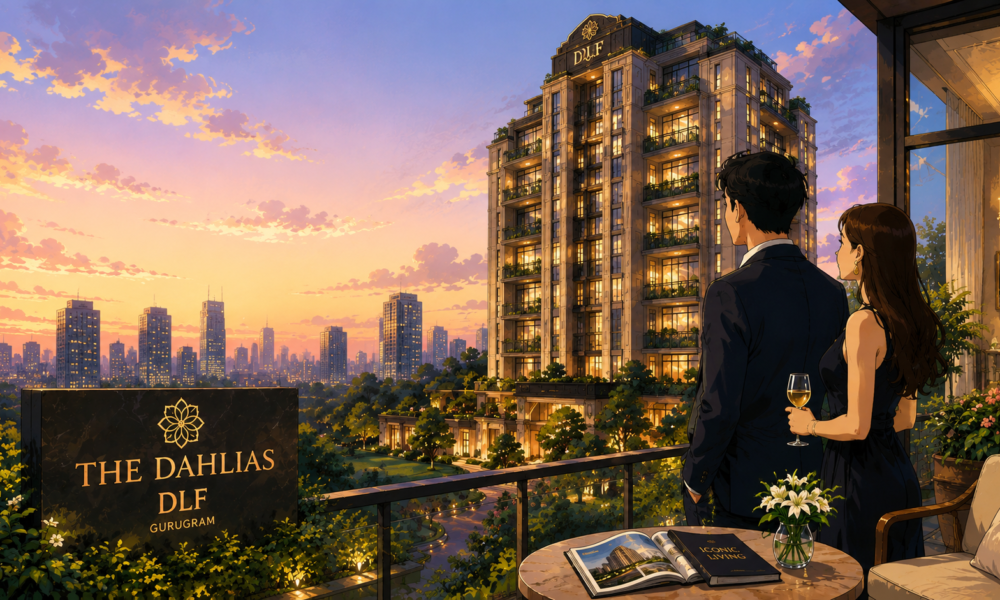
The latest activity in Gurugram’s ultra luxury housing market illustrates this transformation. Real estate major DLF recently sold an apartment in its flagship project, The Dahlias, to veteran investor Madhusudan Murlidhar Kela for nearly ₹121 crore. The transaction is more than another high-value property deal. It signals that luxury homes are increasingly being viewed as long-term wealth assets alongside premium lifestyle products.
Industry experts note that affluent buyers are becoming more selective about where they invest. Instead of simply purchasing larger homes, they are seeking addresses that carry a reputation, limited supply and a strong developer legacy. This shift has created a new phase in India’s residential sector where branding has become as important as design or construction quality.
DLF’s strategy reflects this evolution. The company’s luxury portfolio has steadily moved beyond premium housing to creating destination developments recognised for exclusivity and customer experience. The Dahlias, positioned on Gurugram’s Golf Course Road, has emerged as one of India’s most talked-about residential launches. According to market reports, the project has recorded exceptional sales momentum, with demand remaining strong despite ticket sizes running into several dozen crores per residence.
The rise of branded residences also mirrors changing consumer aspirations. Wealthy buyers increasingly expect concierge services, wellness facilities, curated landscapes, privacy and hospitality-inspired living rather than conventional residential amenities. These expectations are encouraging developers to collaborate with internationally recognised hospitality, fashion and design brands, creating homes that extend beyond real estate into lifestyle experiences.
This trend is not confined to Gurugram alone. Across major metropolitan markets, developers are introducing residences associated with globally recognised luxury names. Such collaborations help projects command premium pricing while strengthening buyer confidence through international design standards and established brand equity. As a result, branding has become one of the strongest competitive differentiators in India’s luxury housing segment.
For marketers, the lesson extends well beyond property. Luxury branding succeeds when customers associate a product with trust, scarcity and emotional aspiration rather than functionality alone. Developers are investing heavily in storytelling, personalised customer engagement and curated launch experiences that reinforce these values throughout the buyer journey.
The growing importance of luxury branding is also reshaping investment behaviour. Affluent buyers increasingly regard premium homes as stores of wealth that can preserve capital while offering lifestyle benefits. Recent high-value transactions indicate that demand remains resilient even as broader housing markets experience moderation, suggesting that the ultra luxury segment operates under different market dynamics.
For India’s real estate industry, this represents more than an upswing in sales. It marks the emergence of branded residences as a distinct asset class where reputation, exclusivity and customer experience drive long-term value. As infrastructure improves, global capital enters the market and disposable incomes continue to rise, luxury branding is likely to become an increasingly influential force shaping the next generation of residential development.
For students of Luxury Brand Management, India’s premium housing market offers a compelling case study. Developers are no longer selling apartments. They are creating aspirational brands that blend architecture, hospitality, lifestyle and investment value into a single proposition, redefining how luxury itself is perceived in modern real estate.








No Comment! Be the first one.