






India Doubles Port Green Clearance Validity to 20 Years, Boosting Long-Term Infrastructure Projects
India has doubled the validity of environmental clearances for ports, harbours, breakwaters and dredging projects from 10 years to 20 years, in a regulatory change aimed at providing greater...

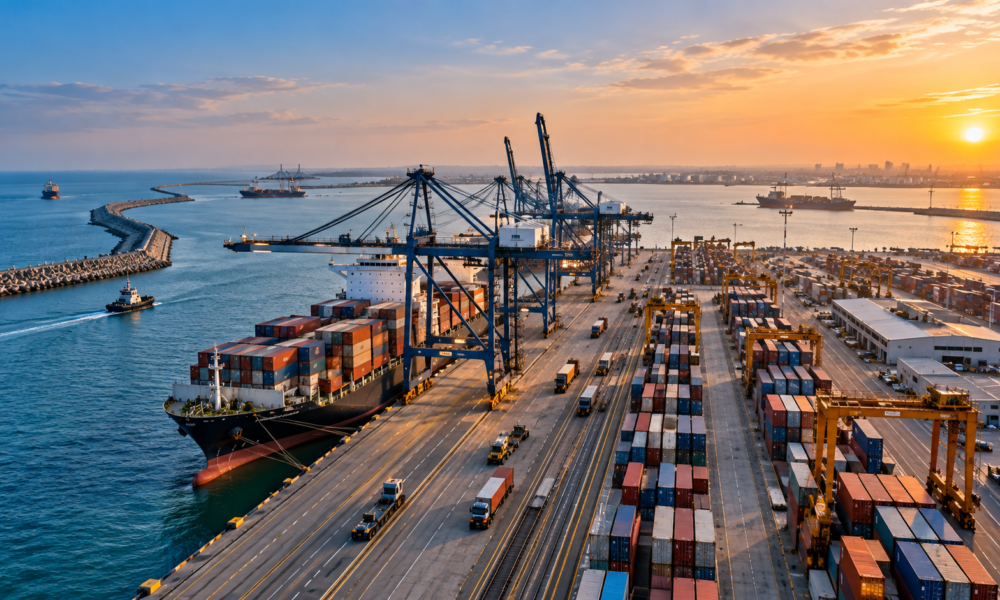
India has doubled the validity of environmental clearances for ports, harbours, breakwaters and dredging projects from 10 years to 20 years, in a regulatory change aimed at providing greater certainty for long-gestation infrastructure projects.
The Ministry of Environment, Forest and Climate Change notified the amendment to the Environment Impact Assessment (EIA) Notification, 2006, on September 21. The revised framework also allows two further extensions of up to five years each, subject to environmental safeguards and expert appraisal.
The change comes as India seeks to significantly expand its maritime infrastructure. The country’s port capacity currently stands at around 2,762 million tonnes per annum (MMTPA), while the government has set a target of 10,000 MMTPA by 2047. The longer environmental-clearance window is expected to provide developers and investors with greater visibility for projects that can take several years to construct and operationalise.
Under the previous framework, environmental clearances for these projects were generally valid for 10 years, with only a limited extension available. The new rules provide an initial 20-year validity period. If a project requires an additional five years, the relevant Expert Appraisal Committee or State-level Expert Appraisal Committee can examine the environmental safeguards and recommend appropriate measures.
A second five-year extension can also be considered in deserving cases where a project has still not become operational. This extension remains subject to scrutiny of environmental safeguards and any additional measures that may need to be incorporated into the project’s Environmental Management Plan.
The reform is particularly relevant for large port developments because these projects often involve multiple stages, including land and coastal development, construction, dredging, logistics infrastructure and commissioning. Delays caused by land issues, litigation, financing or construction can push projects close to the expiry of their environmental approvals.
According to industry representatives cited by The Economic Times, the longer validity could improve investor confidence and make it easier for developers and financing institutions to plan projects with longer investment horizons. The revised framework also applies to eligible ongoing projects where environmental-clearance validity remains active.
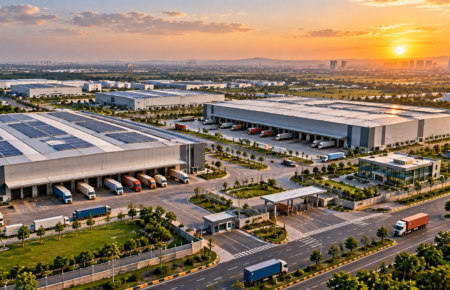
For India’s wider infrastructure ecosystem, the implications extend beyond ports themselves. Larger and more predictable port-development cycles can generate demand for road and rail connectivity, logistics parks, warehouses, industrial zones, ship-repair facilities and coastal commercial infrastructure.
The reform also comes as India focuses on strengthening maritime logistics and improving the efficiency of its supply chains. Ports increasingly function as integrated economic nodes rather than standalone cargo-handling facilities, connecting manufacturers and exporters with road, rail and inland logistics networks.
However, the extended validity does not remove environmental oversight. Any further extensions remain subject to expert review, and authorities can require additional safeguards where necessary.






No Comment! Be the first one.