







Bengaluru Plans a Waste-to-Fuel Plant: Can 300 Tonnes of Daily Garbage Produce Clean Energy?
What if the garbage thrown away by a city could become a useful source of energy? Bengaluru is taking a step towards this idea with a new compressed biogas (CBG) plant planned by GAIL. The facility...

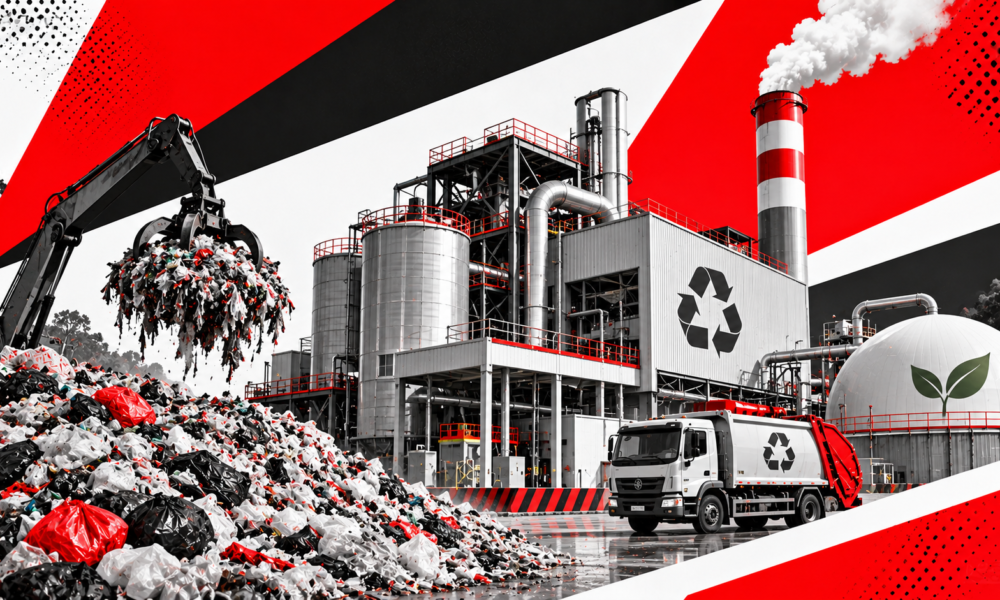
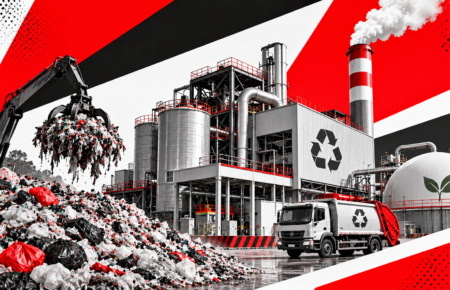
What if the garbage thrown away by a city could become a useful source of energy? Bengaluru is taking a step towards this idea with a new compressed biogas (CBG) plant planned by GAIL. The facility will process around 300 tonnes of municipal solid waste every day and produce approximately 12.6 tonnes of compressed biogas.
The foundation stone for the project was laid on November 13, 2026, at Haralakunte in Bengaluru. The project is part of India’s wider effort to improve waste management and find cleaner alternatives to conventional fuels.
How Will the Bengaluru Waste-to-Fuel Plant Work?
The proposed facility will use municipal solid waste collected from the city as its main raw material.
In simple words, municipal solid waste means the everyday garbage produced by homes, shops, offices and other public places.
Some types of waste contain organic material that can be processed to produce biogas. This gas can then be cleaned and compressed to create compressed biogas, also known as CBG.
The planned Bengaluru facility will have the capacity to process approximately 300 tonnes of municipal waste every day.
According to the government announcement, it is expected to produce around 12.6 tonnes of compressed biogas daily.
This fuel can potentially be used in transport, industrial operations and other applications where suitable CBG infrastructure is available.
Why Is Compressed Biogas Important?
India uses large quantities of petrol, diesel, natural gas and other fuels to run its economy.
A large part of its energy demand is also met through imported resources. This makes alternative domestic fuel sources important for long-term energy planning.
Compressed biogas offers one possible solution.
It is produced from organic waste, agricultural waste and other biodegradable materials. Instead of allowing suitable waste to create environmental problems, it can be converted into a useful fuel.
CBG can also help cities improve the management of organic waste.
However, the benefits depend on proper waste collection, segregation and processing. Mixed garbage containing plastic, metal and other unwanted materials cannot simply be converted into biogas without treatment.
Can This Project Help Bengaluru Manage Its Garbage?
Waste management is a major challenge for growing Indian cities.
As populations increase, households, markets, restaurants and businesses produce more garbage. Collecting and disposing of this waste requires land, transport, workers and proper treatment facilities.
A waste-to-energy plant can create another option for managing biodegradable waste.
If the Bengaluru project operates as planned, it could process a significant quantity of the city’s daily garbage and produce fuel from material that might otherwise require disposal.
It could also support better coordination between municipal waste collection systems and energy companies.
But the success of such facilities depends on the quality of waste supplied to the plant. Separating wet waste from dry waste at the source will be especially important.
Could More Indian Cities Follow This Model?
Bengaluru’s proposed facility reflects a wider opportunity for Indian cities.
Urban areas generate large amounts of biodegradable waste every day. This material could become a resource if cities invest in proper collection, processing and biogas infrastructure.
Compressed biogas plants may also create opportunities for waste management companies, technology providers and energy businesses.
For local governments, these facilities could support cleaner waste disposal systems. For energy companies, they offer another way to produce fuel using domestic resources.
However, projects need reliable waste supplies, suitable technology, financing and buyers for the final fuel.
What Happens Next?
The foundation stone has been laid, but the plant still needs to be developed and commissioned before it can start producing fuel.
Its actual performance will depend on construction, waste collection arrangements and the ability to produce CBG consistently.
Bengaluru’s project raises an important question for India’s growing cities: should garbage be treated only as something to dispose of, or can it become part of the country’s energy supply?
If the project delivers its planned output, it could provide a useful example of how urban waste and energy infrastructure can work together.






No Comment! Be the first one.