




Indigenous bullet train project targets 2027 debut on Mumbai–Ahmedabad corridor
India’s effort to develop a homegrown high-speed train has entered a defined timeline, with plans to introduce the first indigenous set on the Mumbai–Ahmedabad corridor by 2027. The train, referred...

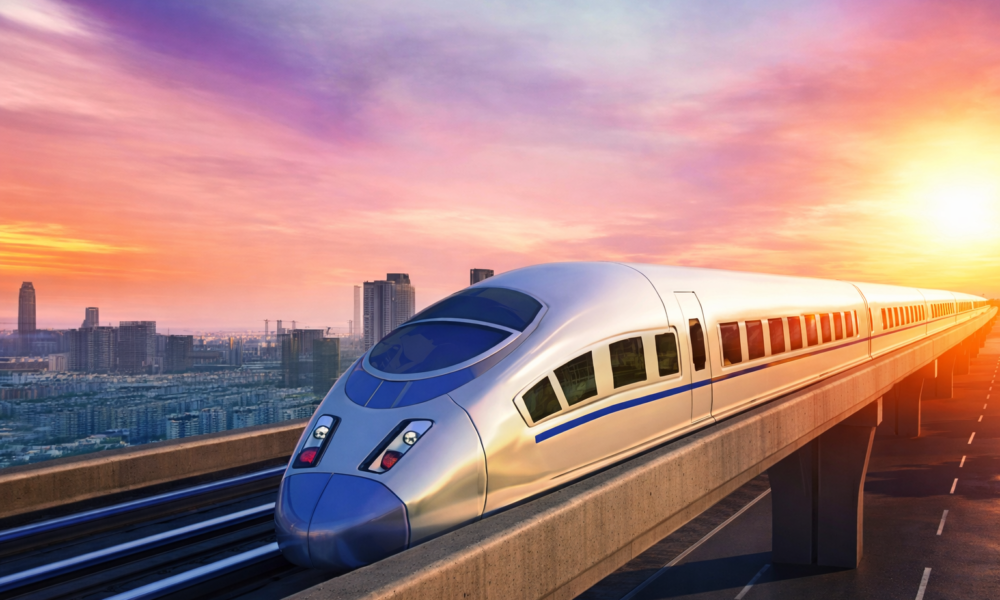
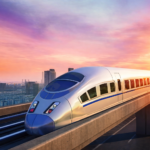
India’s effort to develop a homegrown high-speed train has entered a defined timeline, with plans to introduce the first indigenous set on the Mumbai–Ahmedabad corridor by 2027. The train, referred to as the B28, is expected to begin operations on the Surat–Vapi stretch as initial sections of the corridor become ready.
The project marks a shift from complete reliance on imported technology towards building domestic capability in high-speed rail. Officials suggest that the indigenous train will be aligned with global standards while being adapted to local operating conditions.
The broader corridor has seen incremental progress, though timelines have remained under scrutiny due to land acquisition challenges and construction complexities. The phased rollout indicates an attempt to operationalise completed segments rather than wait for the entire route to be finished.
The introduction of an indigenous train carries both technological and strategic significance. It signals intent to develop local manufacturing ecosystems linked to high-speed rail, while also reducing long-term dependence on external suppliers.
The coming years will test whether execution can keep pace with ambition. Delivering a reliable, high-speed service on schedule will be central to establishing credibility for future expansions in this segment.




No Comment! Be the first one.