





Temple Cities Emerge as New Real Estate Investment Hotspots
India’s real estate landscape is witnessing a shift as a growing number of investors and developers turn their attention toward religious and pilgrimage cities, where large-scale infrastructure...

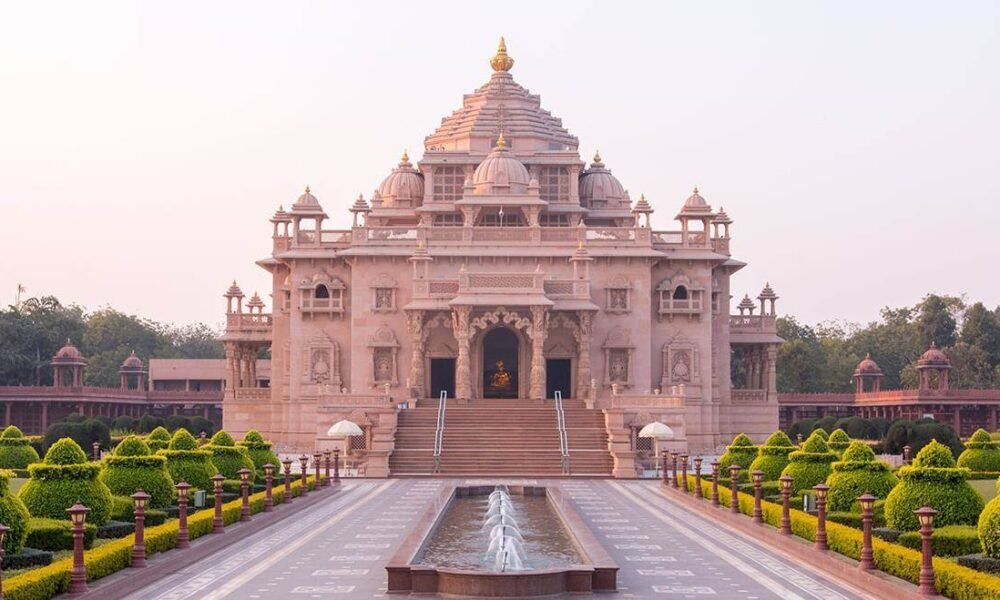
India’s real estate landscape is witnessing a shift as a growing number of investors and developers turn their attention toward religious and pilgrimage cities, where large-scale infrastructure upgrades and tourism-driven demand are beginning to reshape property markets.
Cities such as Ayodhya, Varanasi and Ujjain have seen a surge in land purchases, residential development and hospitality projects in recent years. Industry observers attribute the trend to a combination of government-led infrastructure expansion, improved connectivity and rising pilgrimage tourism, which is transforming these traditionally spiritual centres into emerging economic hubs.
In Ayodhya, the construction of the Ram Temple and the development of supporting infrastructure, including a new international airport, highways and hospitality projects, have significantly increased real estate activity. Land prices in several areas of the city have reportedly witnessed sharp appreciation as developers and investors position themselves for an anticipated tourism boom.
Varanasi, which has undergone extensive urban redevelopment and riverfront infrastructure upgrades in recent years, is also witnessing rising demand for residential, commercial and hospitality properties. Improved connectivity through road, rail and air networks has further strengthened investor confidence in the city’s long-term economic prospects.
Similarly, Ujjain has attracted renewed attention following major redevelopment initiatives around the Mahakal Temple corridor, which have enhanced the city’s tourism infrastructure and urban amenities.
Real estate consultants say the growing interest in temple cities reflects a broader shift in India’s property market, where Tier-2 and Tier-3 cities are increasingly emerging as alternative investment destinations. Rising property prices and limited land availability in major metropolitan centres have encouraged developers and investors to explore opportunities in smaller cities with strong tourism or cultural significance.
As infrastructure development continues and visitor footfalls increase, industry stakeholders believe that several of these pilgrimage centres could gradually evolve into structured real estate markets, with demand spanning residential housing, hotels, retail spaces and mixed-use developments.





No Comment! Be the first one.