




130-Year-Old Bellasis Flyover Reborn, Opens Well Ahead of Schedule to Unclog South Mumbai Traffic
Mumbai’s transport grid received a critical upgrade this week as the rebuilt Bellasis Flyover, connecting Tardeo to Mumbai Central, reopened to traffic nearly four months ahead of its scheduled...

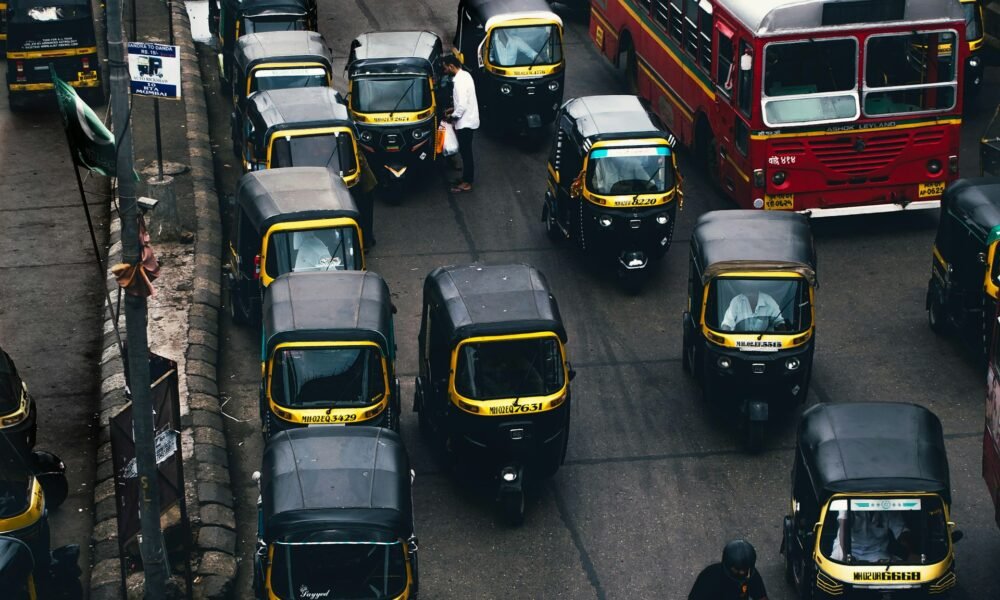
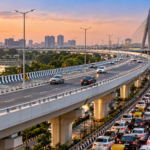
Mumbai’s transport grid received a critical upgrade this week as the rebuilt Bellasis Flyover, connecting Tardeo to Mumbai Central, reopened to traffic nearly four months ahead of its scheduled completion. The overbridge, originally constructed during the British era more than 130 years ago, had long served as a key east–west connector across railway tracks in one of South Mumbai’s densest corridors.
Table Of Content
The redevelopment was undertaken by the Brihanmumbai Municipal Corporation in coordination with Western Railway after structural audits flagged the ageing bridge for urgent replacement. Instead of piecemeal repair, authorities opted for complete reconstruction to accommodate modern traffic loads and comply with updated safety standards.
From Heritage Structure to Modern Mobility Spine
The earlier bridge, narrow and structurally stressed, had become a choke point amid rising vehicular density. The new structure has been designed with a 7-metre wide carriageway, improved load-bearing capacity and expanded pedestrian footpaths on both sides. Civic engineers emphasised that the broader deck and reinforced foundation will not only support heavier traffic but also improve safety margins for both motorists and pedestrians.
Project execution took approximately 15 months and six days. Officials attribute the accelerated timeline to pre-cast construction techniques, advance material mobilisation and coordinated block permissions from the railways. Work scheduling was tightly managed to minimise disruption to rail operations below and traffic diversions above.
Traffic Relief in a High-Pressure Zone
The flyover sits within a corridor that feeds traffic from central business districts toward residential pockets and arterial routes leading northwards. With commercial establishments, hospitals and transit hubs clustered nearby, even minor bottlenecks have historically resulted in cascading congestion.
Urban mobility planners expect measurable easing of peak-hour delays along the Tardeo–Nagpada–Mumbai Central stretch. By restoring uninterrupted movement across the railway alignment, the bridge effectively reconnects two heavily interdependent traffic systems that had been operating under strain during the reconstruction phase.
Political and Administrative Signalling
The bridge was inaugurated in the presence of Maharashtra Chief Minister Devendra Fadnavis, who positioned the early completion as evidence of administrative efficiency in infrastructure delivery. The messaging is significant in a city where prolonged project timelines often draw public criticism.
For the civic administration, the project serves as a demonstrative template. Mumbai has several ageing bridges and overpasses approaching structural review cycles. Completing a technically complex rebuild ahead of schedule offers a blueprint for phased modernisation without paralysing urban mobility.
Larger Urban Implications
The Bellasis Flyover redevelopment reflects a broader shift in metropolitan infrastructure strategy. Instead of reactive maintenance, agencies are increasingly opting for complete structural replacement to future-proof transport assets. The emphasis is now on lifecycle durability, traffic forecasting and pedestrian safety integration.
In a city where every kilometre of road space carries disproportionate economic weight, infrastructure velocity matters. The early reopening of this bridge may appear incremental, but in mobility economics, such connectors often determine how efficiently the city breathes.







No Comment! Be the first one.