






Uttar Pradesh Accelerates Expressway Expansion as State Pushes Connectivity-Led Growth
New Link Corridors and Logistics Infrastructure Enter Planning Phase Uttar Pradesh is continuing its large-scale expressway expansion strategy with multiple new link corridors and logistics projects...

New Link Corridors and Logistics Infrastructure Enter Planning Phase
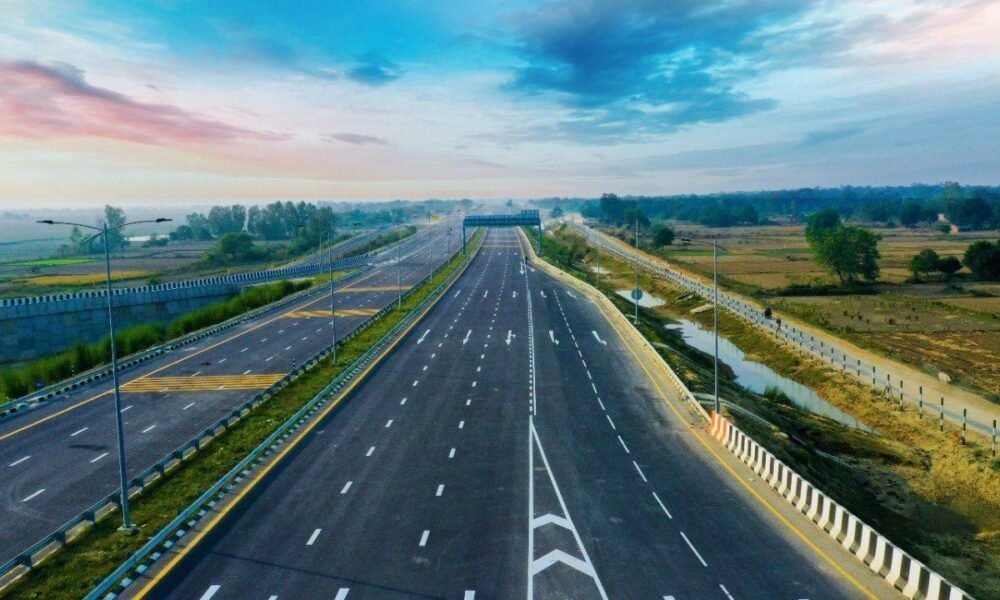
Uttar Pradesh is continuing its large-scale expressway expansion strategy with multiple new link corridors and logistics projects entering different stages of planning and bidding, reinforcing the state’s position as one of India’s fastest-growing road infrastructure markets.
According to infrastructure reports, projects including the Chitrakoot Link Expressway, Lucknow Link Expressway, Farrukhabad Link Expressway, and Jewar Link Expressway are progressing through bidding and planning stages under the Uttar Pradesh Expressways Industrial Development Authority.
Officials have also highlighted the growing role of expressway-linked industrial hubs, logistics parks, warehousing zones, and electric vehicle charging infrastructure along major corridors. The recently inaugurated Ganga Expressway is expected to become central to the state’s broader industrial corridor strategy connecting multiple regions of Uttar Pradesh.
Infrastructure analysts believe the state’s focus on road connectivity, airport integration, and logistics infrastructure is aimed at attracting manufacturing investment and strengthening trade movement across north India.
The expansion drive also reflects growing competition among states seeking private investment through infrastructure-led economic growth models.
Debate Continues Over Land Acquisition and Regional Priorities
While supporters argue that expressway expansion improves connectivity, employment generation, and industrial growth, critics continue raising concerns over land acquisition challenges, environmental impact, and uneven development between urban and rural districts.
Policy experts say the next phase of infrastructure growth in India will increasingly depend on how effectively states balance mega infrastructure projects with local civic needs such as rural roads, drainage systems, and public transport access.
Investors are also closely tracking whether infrastructure growth translates into sustained industrial activity and long-term employment opportunities beyond construction-led expansion.
The broader debate around connectivity-led development is expected to remain central to economic discussions as states continue competing for manufacturing, logistics, and infrastructure investment in the coming years.








No Comment! Be the first one.