



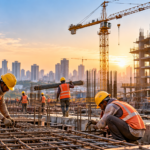




Debate Intensifies Over Infrastructure Spending as Smaller Cities Seek Greater Attention
Experts Question Whether Development Remains Focused on Metro Regions India’s infrastructure expansion strategy is facing renewed debate as policymakers continue prioritising large-scale urban...

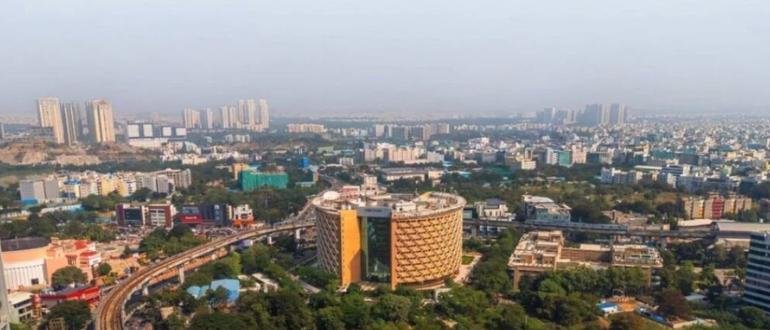
Experts Question Whether Development Remains Focused on Metro Regions
India’s infrastructure expansion strategy is facing renewed debate as policymakers continue prioritising large-scale urban projects while smaller cities and semi-urban regions push for stronger investment in basic civic infrastructure.
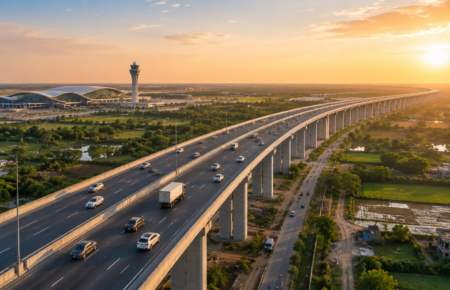
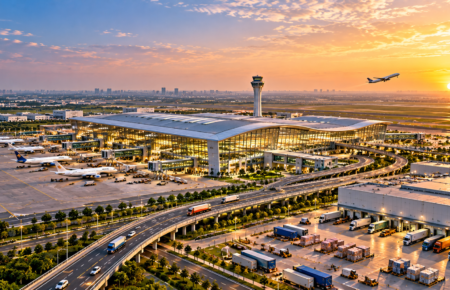
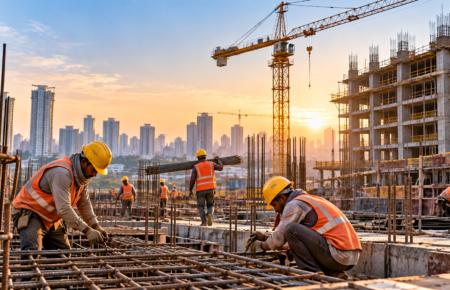
Over the past few years, government spending has increasingly focused on expressways, metro rail systems, industrial corridors, airports, and logistics parks aimed at accelerating economic growth and improving national connectivity. Supporters argue that such projects strengthen long-term productivity, attract investment, and generate employment opportunities across sectors.
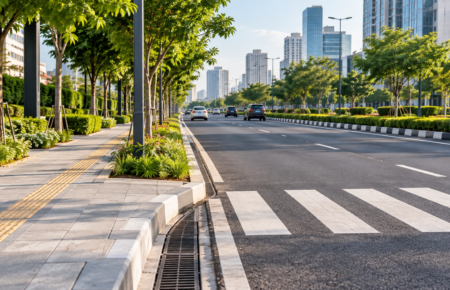
However, urban planners and policy observers say the pace of development remains uneven between major metropolitan centres and tier-2 or tier-3 cities. Several smaller districts continue to face persistent challenges linked to road quality, drainage systems, public transport access, water infrastructure, and traffic management.
Infrastructure experts believe balanced regional development could become one of the central policy discussions in the coming years as migration pressure on larger cities continues to increase. Some economists also argue that improving infrastructure in emerging urban centres may reduce long-term congestion and housing stress in already crowded metro regions.
Political Debate Emerges Around Public Spending Priorities
The issue has increasingly entered political discussions ahead of multiple state-level infrastructure announcements expected later this year. Opposition leaders in several states have questioned whether headline infrastructure projects receive disproportionate financial and administrative attention compared to local civic needs.
Government officials, however, maintain that large-scale infrastructure development creates long-term economic benefits that eventually support broader regional growth. They also point to increased allocations for highways, rural roads, digital infrastructure, and industrial connectivity under ongoing central and state projects.
Industry groups continue to support higher public infrastructure investment, particularly in transport and logistics, citing its impact on manufacturing efficiency and private sector expansion.
As India targets long-term economic growth through infrastructure-led development, the broader debate is expected to remain focused on how governments balance flagship projects with everyday urban and civic requirements across regions.





No Comment! Be the first one.