








Debate Intensifies Over India’s Infrastructure Spending Priorities Beyond Metro Cities
Smaller Districts Continue Raising Concerns Over Civic Infrastructure Gaps Questions are increasingly being raised over whether India’s infrastructure spending remains heavily concentrated around...

Smaller Districts Continue Raising Concerns Over Civic Infrastructure Gaps
Questions are increasingly being raised over whether India’s infrastructure spending remains heavily concentrated around metro cities and flagship urban projects while smaller districts and semi-urban regions continue facing gaps in basic civic infrastructure.
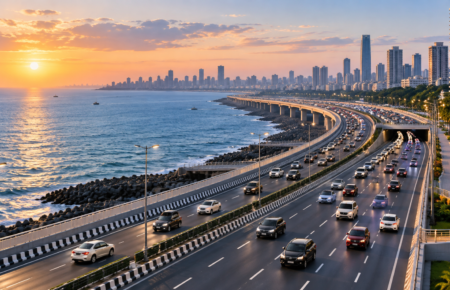
Over the past few years, infrastructure expansion has emerged as one of the central pillars of India’s economic growth strategy, with large-scale investments directed toward expressways, metro rail systems, airports, industrial corridors, logistics parks, and smart city projects.
Supporters of the current model argue that high-impact infrastructure projects strengthen long-term economic productivity, improve connectivity, attract investment, and generate employment opportunities across sectors including manufacturing, transport, and real estate.
However, urban planners and policy experts say the benefits of infrastructure-led growth remain uneven across regions. Several tier-2 and tier-3 districts continue struggling with poor road conditions, drainage failures, water supply disruptions, traffic congestion, and limited public transport infrastructure despite rapid urban expansion.
The debate has become increasingly visible as states compete for investment through large infrastructure announcements while local civic concerns continue dominating municipal-level discussions in many districts.
Experts Call for Balanced Regional Infrastructure Development
Infrastructure analysts believe India’s long-term urban growth strategy may require greater focus on regional balance instead of concentrating development primarily around large metropolitan zones.
Several economists have argued that strengthening infrastructure in smaller cities could reduce migration pressure on already congested metro regions while supporting local employment generation and industrial diversification.
Critics also point to delays in municipal projects, weak urban planning capacity, and funding shortages affecting local infrastructure delivery in many states.
Supporters of large-scale flagship projects, however, maintain that major infrastructure investments eventually create wider economic benefits through improved trade connectivity, industrial growth, and private sector expansion.
The discussion is expected to remain central to future economic and urban policy debates as India continues positioning infrastructure development as a key driver of long-term growth and competitiveness.






No Comment! Be the first one.