





Mumbai Coastal Road Expansion Sparks Fresh Debate Over Urban Mobility and Environmental Impact
Authorities Highlight Traffic Benefits as Opposition Questions Long-Term Sustainability Mumbai’s coastal road infrastructure expansion has once again moved to the centre of urban development...

Authorities Highlight Traffic Benefits as Opposition Questions Long-Term Sustainability
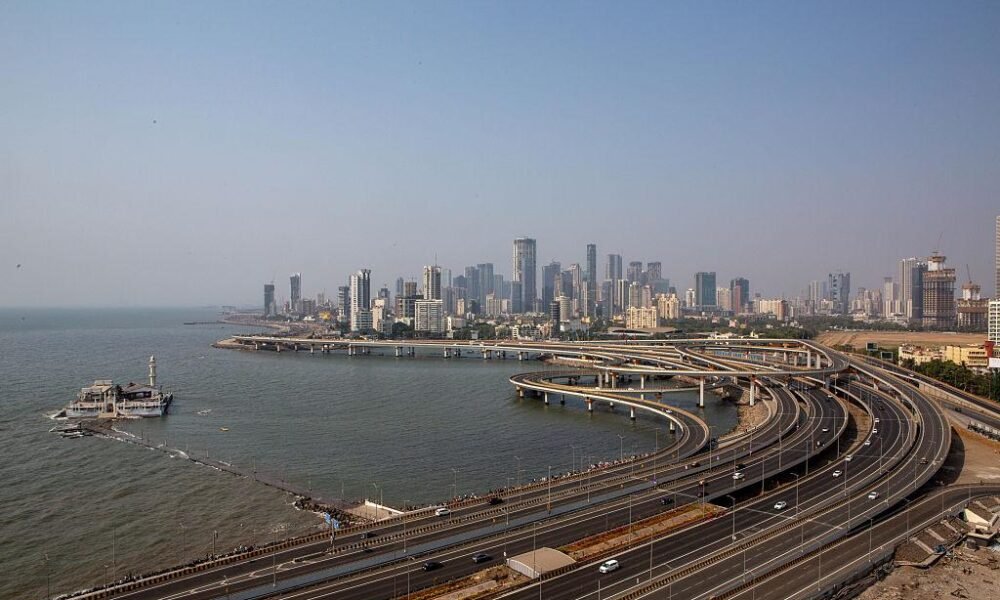
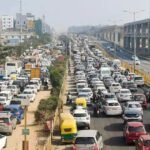
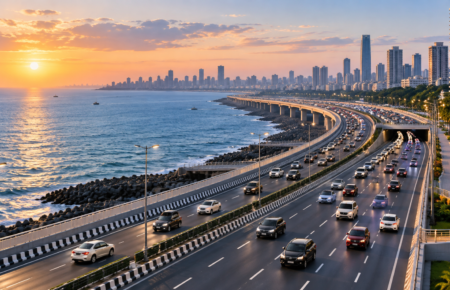
Mumbai’s coastal road infrastructure expansion has once again moved to the centre of urban development discussions as authorities continue pushing connectivity upgrades aimed at reducing traffic congestion across the city.
Officials associated with the project say the coastal road network is expected to improve travel efficiency, reduce commute time, and strengthen connectivity between key commercial and residential zones in one of India’s most densely populated metropolitan regions.
Supporters of the project argue that Mumbai’s rapidly growing population and vehicle density require large-scale mobility infrastructure capable of easing pressure on existing roads and transport corridors.
Urban planners also believe the project could influence future waterfront infrastructure models in other Indian metro cities facing similar congestion and land constraints.
However, the expansion has simultaneously revived environmental and civic concerns linked to coastal ecology, marine biodiversity, flooding vulnerability, and long-term urban sustainability.
Environmental groups and civic activists have repeatedly questioned whether large reclamation-based infrastructure projects adequately account for climate risks and changing rainfall patterns affecting coastal cities.
Debate Intensifies Over Development Versus Ecological Protection
Critics argue that rapid infrastructure-led urban expansion without sufficient ecological safeguards may increase future environmental vulnerability for coastal regions already facing flooding and drainage stress during monsoon seasons.
Policy analysts say the larger debate reflects how Indian cities are increasingly confronting difficult choices between economic growth, mobility demands, and environmental resilience.
Supporters of the project, however, maintain that modern infrastructure expansion remains necessary for sustaining economic productivity and improving quality of life within rapidly growing urban centres.
Several infrastructure experts believe future metro-city planning may increasingly require integrated models combining transport systems, climate adaptation strategies, drainage management, and environmental restoration.
The discussion surrounding Mumbai’s coastal road project is expected to remain central to India’s broader urban infrastructure debate over the coming years.





No Comment! Be the first one.