





Bengaluru Traffic Congestion Debate Intensifies Despite Rapid Infrastructure Expansion
Tech Capital Continues Struggling With Mobility Pressure Bengaluru’s traffic congestion and mobility challenges have once again moved to the centre of infrastructure discussions despite ongoing...

Tech Capital Continues Struggling With Mobility Pressure
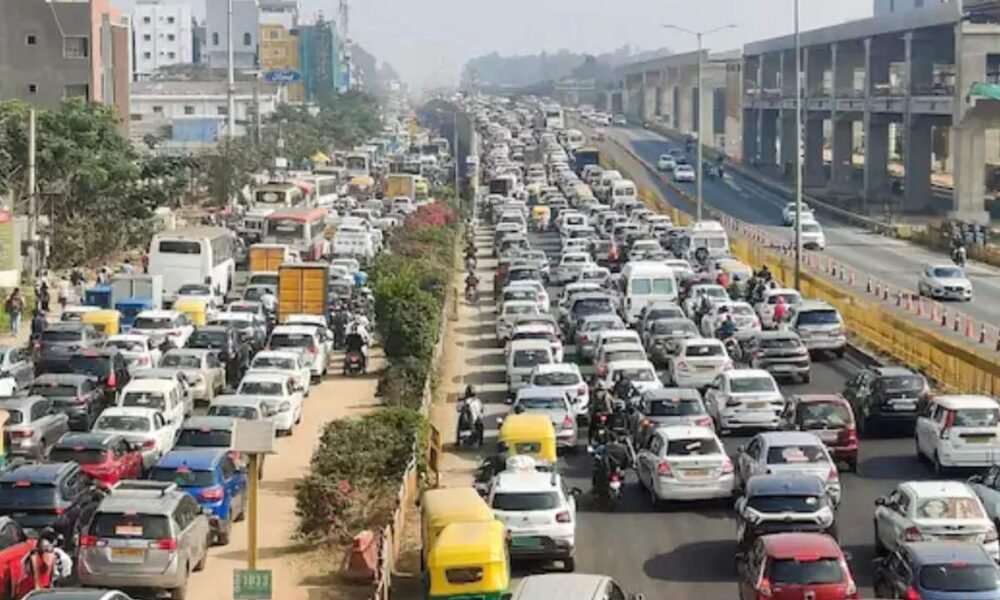
Bengaluru’s traffic congestion and mobility challenges have once again moved to the centre of infrastructure discussions despite ongoing investments in flyovers, metro expansion, elevated corridors, and road development projects across the city.
Urban mobility experts say the city’s rapid growth as India’s technology and startup capital has significantly increased pressure on transport infrastructure over the past decade, particularly in areas connected to IT parks, residential corridors, and commercial zones.
Authorities continue expanding metro connectivity and road infrastructure to reduce travel delays, but residents and commuters argue that population growth and vehicle density are outpacing the speed of infrastructure upgrades.
Daily traffic congestion across areas including Whitefield, Outer Ring Road, Electronic City, and Sarjapur Road continues affecting travel time, fuel consumption, and overall productivity for lakhs of commuters.
Infrastructure planners believe Bengaluru’s traffic crisis reflects broader urbanisation challenges emerging across India’s major economic centres.
Experts Call for Stronger Public Transport and Urban Planning
Several policy analysts argue that metro expansion alone may not fully solve congestion unless accompanied by integrated public transport systems, last-mile connectivity, and more balanced urban planning models.
Critics have also pointed to issues involving road quality, construction bottlenecks, drainage-related disruptions, and uneven civic infrastructure maintenance across parts of the city.
Supporters of ongoing infrastructure projects maintain that large-scale metro and mobility investments require time before producing visible long-term impact in rapidly expanding metropolitan regions.
Urban planners increasingly believe future city growth strategies may need stronger focus on decentralised commercial development, mixed-use urban planning, and reduced dependence on private vehicles.
The debate surrounding Bengaluru’s traffic situation continues shaping national conversations around sustainable urban infrastructure and the future of mobility planning in India’s growing cities.




No Comment! Be the first one.