






Delhi-Jewar Link Gets a Major Push as NHAI Plans 31-km Elevated Corridor
New Delhi: A new elevated road corridor planned along the Yamuna Pushta Road could significantly alter the transport map of the National Capital Region and improve access to the upcoming Noida...


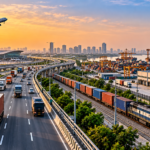
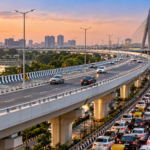
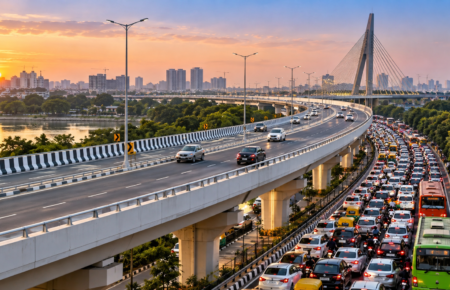
New Delhi: A new elevated road corridor planned along the Yamuna Pushta Road could significantly alter the transport map of the National Capital Region and improve access to the upcoming Noida International Airport at Jewar. The National Highways Authority of India (NHAI) is working on a 31-kilometre elevated expressway that will connect East Delhi with Greater Noida and provide an alternative route to the congested Noida-Greater Noida Expressway.
The proposed corridor comes at a time when infrastructure planning in the NCR is increasingly centred on integrating airports, highways, metro systems and urban development projects into a single mobility network. With the Jewar airport expected to emerge as one of the country’s largest aviation hubs, improving surface connectivity has become an urgent priority.
At present, traffic movement between Delhi and the airport site depends heavily on existing expressways that already face capacity pressures during peak hours. The new elevated corridor is expected to reduce travel time and offer another high-speed route to the airport and surrounding industrial and residential zones.
The project is likely to have implications that extend beyond transportation. Infrastructure experts have increasingly pointed out that large transport projects often reshape patterns of investment and urban growth. Areas that gain improved connectivity typically witness increased demand for housing, logistics facilities and commercial development.
The Delhi-Jewar corridor is already attracting considerable investor attention because of the airport project and the planned industrial and logistics infrastructure around it. The proposed elevated road could further accelerate development in adjoining regions of East Delhi, Noida and Greater Noida.
The project also reflects a wider policy approach that seeks to build integrated transport systems rather than standalone assets. India has been rapidly expanding its airport, highway and urban transit infrastructure over the past decade. The number of operational airports has increased substantially, while several greenfield airports and expressway projects are under construction across the country.
For the National Capital Region, the significance of the new corridor lies in its ability to connect multiple economic nodes. The airport at Jewar is expected to serve not only Delhi and western Uttar Pradesh but also parts of Haryana and Rajasthan. Efficient road connectivity will therefore be essential to ensure smooth passenger movement and support cargo operations linked to the airport.
The corridor may also ease pressure on existing routes and improve the resilience of the region’s transport network. Large metropolitan regions increasingly require multiple transport links to absorb rising traffic volumes and minimise disruption arising from congestion or incidents on individual corridors.
As construction activity intensifies around the Noida International Airport and associated industrial projects, the proposed elevated expressway could become one of the most important connectivity interventions in the NCR. More than a transport project, it represents another step in the gradual transformation of the Delhi-Jewar belt into a major economic and infrastructure corridor.






No Comment! Be the first one.