





PM Modi to Inaugurate 75 Redeveloped Railway Stations Under Amrit Bharat Station Scheme
India’s railway modernisation programme will take another significant step forward on 17 July, when Prime Minister Narendra Modi inaugurates 75 redeveloped railway stations across multiple...

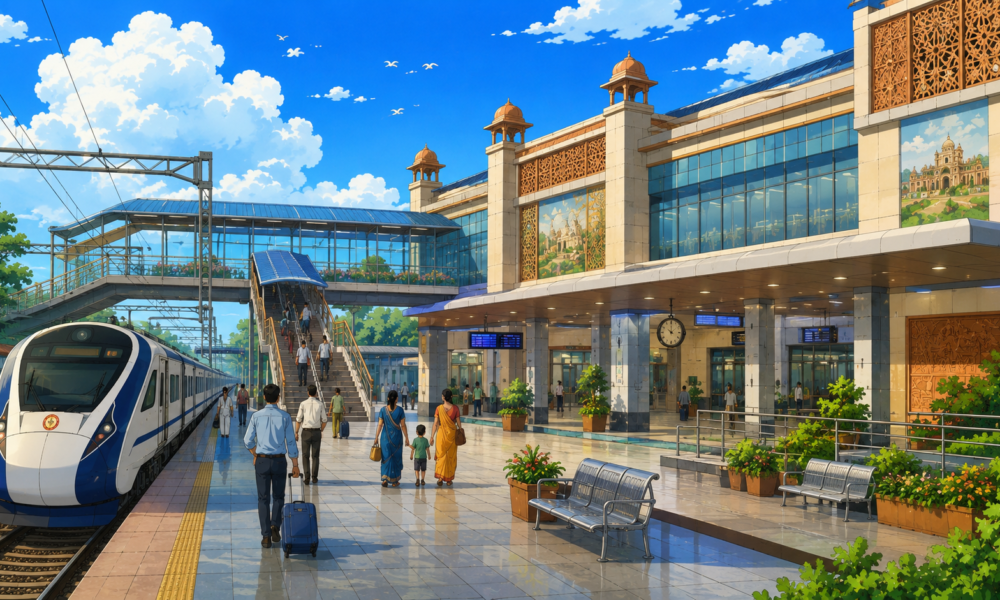
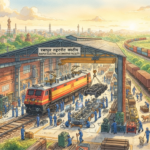
India’s railway modernisation programme will take another significant step forward on 17 July, when Prime Minister Narendra Modi inaugurates 75 redeveloped railway stations across multiple states under the Amrit Bharat Station Scheme (ABSS). The upgraded stations are designed to improve passenger experience while strengthening multimodal connectivity and supporting regional economic growth.
The redevelopment programme forms part of the government’s long-term strategy to transform railway stations into modern transport hubs equipped with improved passenger amenities, better accessibility and enhanced operational efficiency. Under the Amrit Bharat Station Scheme, more than 1,300 stations across the country have been identified for phased redevelopment, making it one of India’s largest railway infrastructure initiatives.
The stations being inaugurated include key locations across Haryana, Punjab and Karnataka, featuring upgraded station buildings, wider circulating areas, improved waiting halls, modern ticketing facilities, lifts, escalators, digital passenger information systems and enhanced accessibility for persons with disabilities. The projects have also focused on improved lighting, landscaping and integrated transport access around station premises.
Beyond passenger convenience, the redevelopment programme is expected to create stronger links between rail infrastructure and surrounding urban development. Modern station precincts often encourage commercial activity, hospitality projects and transit-oriented development, helping cities unlock additional economic opportunities around transport hubs.
The station upgrades also support India’s wider push towards integrated transport infrastructure. By improving connectivity between railways, roads, public transport and last-mile mobility services, the government aims to create seamless travel experiences for both passengers and businesses.
The initiative is expected to generate substantial opportunities for construction companies, engineering consultants, architects, technology providers and urban infrastructure developers involved in station redevelopment projects. Modern railway stations require extensive civil works, electrical systems, structural upgrades, digital infrastructure and passenger amenity improvements, creating demand across multiple segments of the construction industry.
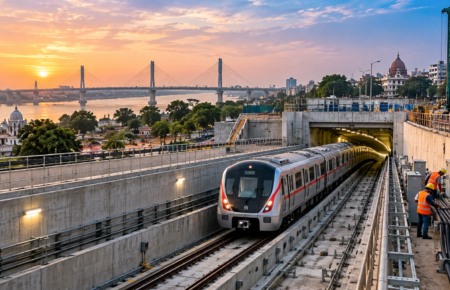
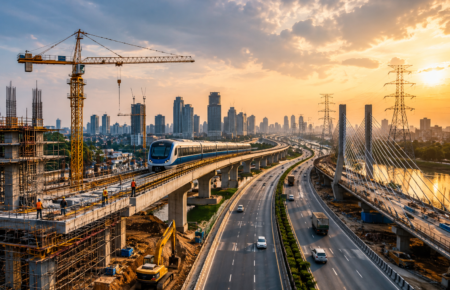
The redevelopment programme aligns with India’s growing investment in transport infrastructure, which includes new highways, dedicated freight corridors, metro rail systems and airport expansion projects. Together, these investments are intended to improve logistics efficiency, support economic growth and enhance connectivity between urban and regional centres.
In addition to the station inaugurations, the Prime Minister is scheduled to launch and dedicate several infrastructure projects in Haryana, Chandigarh and Punjab covering road infrastructure, healthcare, education and railway connectivity. The combined investments reflect the government’s continued emphasis on building modern public infrastructure across sectors.
Urban planners believe station redevelopment plays an increasingly important role in city transformation. Modern stations serve not only as transport facilities but also as gateways that influence tourism, business activity and urban regeneration. Upgraded public spaces, better pedestrian movement and improved transport integration can enhance the overall liveability of surrounding neighbourhoods.
As India continues to expand and modernise its railway network, the Amrit Bharat Station Scheme represents a major investment in passenger-focused infrastructure. The inauguration of 75 redeveloped stations marks another milestone in the country’s broader effort to build efficient, accessible and future-ready transport infrastructure capable of supporting rising passenger demand and long-term economic development.





No Comment! Be the first one.