




India’s First Urban Public Transport Ropeway Nears Completion in Varanasi, Redefining City Mobility
Varanasi is preparing to become home to India’s first urban public transport ropeway, marking a significant milestone in the country’s urban infrastructure journey. Designed to ease...

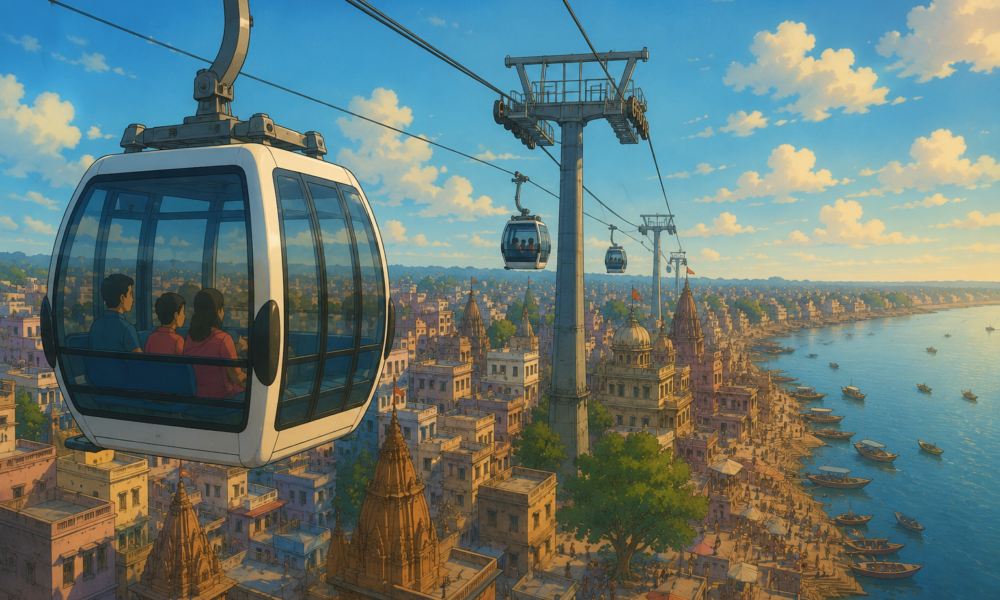
Varanasi is preparing to become home to India’s first urban public transport ropeway, marking a significant milestone in the country’s urban infrastructure journey. Designed to ease chronic traffic congestion while improving last mile connectivity, the project is set to place the ancient city among a handful of global destinations using aerial ropeways as part of their public transport network.
The ropeway has been developed jointly by the Government of India and the Government of Uttar Pradesh as part of a broader effort to modernise transport infrastructure in one of the country’s busiest pilgrimage and tourism centres. Once operational, the system will offer commuters a faster alternative to road travel, particularly in densely populated areas where expanding conventional road infrastructure remains difficult.
Unlike traditional cable cars built primarily for tourism, the Varanasi ropeway has been planned as an integrated urban mass transit system. The aerial corridor will connect key parts of the city while reducing travel times for daily commuters. By moving passengers above congested roads, the project aims to improve traffic flow without requiring large scale land acquisition or disruption to the city’s historic urban fabric.
The ropeway also represents a shift towards more sustainable transport solutions. Electric powered cabins produce significantly lower emissions than conventional road vehicles and require a relatively smaller construction footprint compared with highways or elevated metro systems. Urban planners believe such systems can play an important role in improving mobility in cities where limited land availability and heritage preservation make conventional infrastructure expansion challenging.
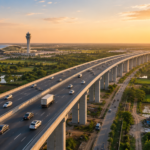
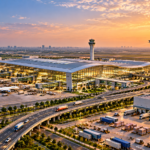
Varanasi has witnessed extensive infrastructure development over the past several years, including upgraded highways, improved railway connectivity, airport expansion and enhanced inland water transport. The addition of the ropeway strengthens this integrated transport network by offering seamless movement across different modes of travel. The project is expected to support both residents and millions of domestic and international tourists visiting the city each year.
Experts believe the success of the Varanasi project could encourage similar ropeway based public transport systems in other Indian cities facing severe traffic congestion and geographical constraints. As urban populations continue to grow, transport authorities are increasingly exploring innovative mobility solutions that complement existing metro, bus and railway networks rather than replacing them.
Apart from improving mobility, the ropeway is expected to generate economic benefits through increased tourism, improved accessibility for local businesses and reduced travel costs for commuters. Faster movement across the city can also improve productivity while enhancing the overall visitor experience in one of India’s most important cultural destinations.
The project reflects India’s growing emphasis on adopting modern transport technologies that combine sustainability with urban efficiency. As cities continue to search for practical alternatives to road expansion, aerial public transport could emerge as an increasingly viable option for future infrastructure planning.
Once operational, the Varanasi Urban Public Transport Ropeway will not only become a landmark engineering achievement but also serve as a model for innovative urban mobility solutions across India. By combining environmental sustainability, improved connectivity and modern engineering, the project highlights the changing face of India’s infrastructure development.




No Comment! Be the first one.