






How India Can Build Better Roads and Public Spaces: An Architect’s Suggestion
India needs better roads, safer footpaths and well-planned public spaces to make cities more comfortable for people. According to an architect’s account of a large infrastructure project, achieving...

India needs better roads, safer footpaths and well-planned public spaces to make cities more comfortable for people. According to an architect’s account of a large infrastructure project, achieving this requires careful planning, suitable materials, skilled workers and attention to small details.
The project covered around 900 acres and involved planning roads, footpaths, green spaces and drainage systems. The team worked with architects and local manufacturers to create infrastructure designed to last for years, to reduce repeated repairs and reconstruction.
Why road design needs more attention
In cities such as Noida and other parts of Delhi-NCR, poorly designed or maintained roads and footpaths can make everyday travel difficult. Pedestrians may encounter uneven surfaces, obstructed walking routes, poorly positioned drains and unsafe access to public transport.
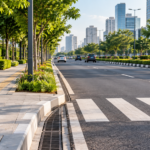
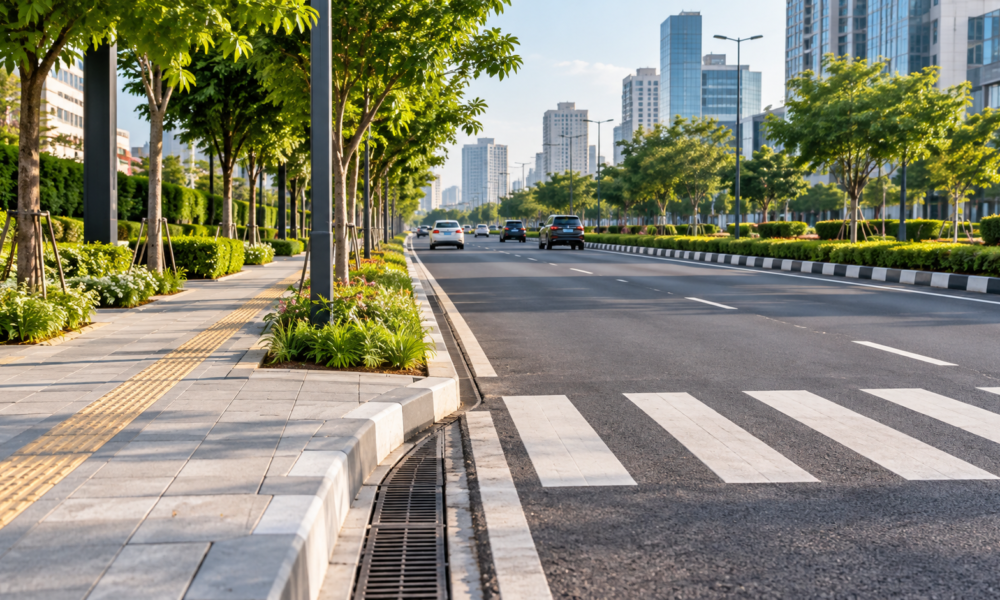
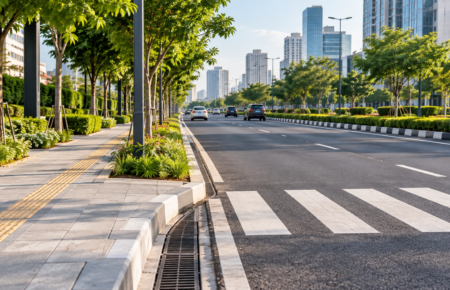
Good road infrastructure involves more than laying asphalt. Roads must be designed alongside footpaths, drainage systems, road edges and public spaces. These elements need to work together to make streets safer, more organised and easier to maintain.
The project described by the architect followed a detailed planning process before construction began. The team mapped the locations of manholes across the 900-acre area so that their covers would fit properly within the pavement. It also planned safe walking routes to bus stops and included green spaces to improve the surroundings.
Link to the video: https://www.instagram.com/reel/DZhl3KqhtlX/?srtk=MWRvMXIydjZzd28wNg==
Why curbs and local manufacturing matter
One of the project’s challenges was finding suitable road-edge blocks, commonly known as curbs. These blocks help separate vehicle lanes from footpaths, define road boundaries and create a more organised street layout.
Since the required products were not readily available from local manufacturers, the team persuaded a business partner to invest in specialised moulds and manufacture the blocks locally.
This example shows how infrastructure projects can encourage local manufacturing when suitable materials are not readily available. Working with local suppliers can also help project teams obtain materials that meet specific design requirements.
Skilled labour and construction costs
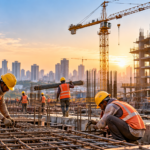
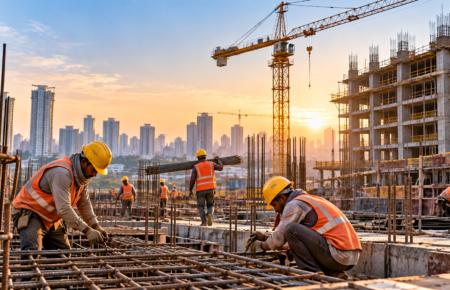
The availability of skilled workers is another important factor in construction. Even a well-designed project can face delays and higher costs if contractors cannot find workers with the necessary experience.
A recent development in Israel highlights this challenge. According to a report published by CTech on October 8, 2026, Israel plans to stop private recruitment of construction workers from India and Sri Lanka from January 1, 2027, while continuing recruitment through bilateral channels.
Industry representatives have warned that the change could make recruitment slower and more expensive. They argue that workers recruited through private channels can be screened for practical skills before arriving. The Israeli authorities, however, said approved recruitment channels would continue to operate.
Although this decision concerns Israel rather than India, it illustrates a wider construction challenge: the availability, skills and recruitment costs of workers can affect project budgets and timelines. For Indian infrastructure projects, workforce planning, training and reliable contractor arrangements are therefore important alongside material quality and engineering.
Planning for long-term infrastructure
The architect said the project took 12 years and that the roads had to be dug up at least once during that period. This highlights the difficulty of maintaining infrastructure over time, even when projects are carefully planned.
Roads may need to be opened for utility work, repairs or other essential services. Detailed coordination between road construction, drainage and underground utilities can help reduce avoidable damage and repeated excavation.
For Indian cities, the lesson is to plan infrastructure as a connected system rather than as separate construction activities. Road edges, manholes, footpaths, drainage, landscaping and public transport access should be considered before work begins.
The way forward
Better roads require more than smooth surfaces. They depend on thoughtful design, appropriate materials, skilled workers, reliable construction and regular maintenance.
The architect’s experience shows how careful planning and local manufacturing can help address practical construction challenges. For cities such as Noida and the wider Delhi-NCR region, putting pedestrians’ needs at the centre of infrastructure planning can make public spaces safer, more accessible and more useful for everyday life.





No Comment! Be the first one.