








India’s First Hydrogen Train Signals a New Era for Green Rail Infrastructure
India has taken a major step towards cleaner transport with the launch of its first hydrogen-powered train, marking a significant milestone in the country’s railway modernisation programme. The...

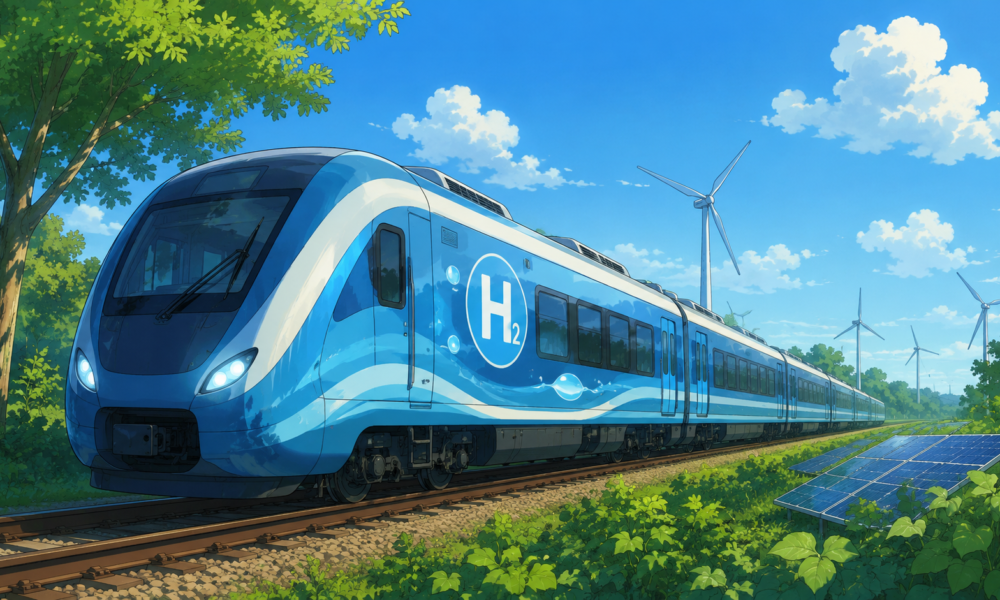
India has taken a major step towards cleaner transport with the launch of its first hydrogen-powered train, marking a significant milestone in the country’s railway modernisation programme. The train, flagged off between Jind and Sonipat in Haryana, represents India’s entry into a small group of nations operating hydrogen-powered rail services and highlights the growing focus on sustainable transport infrastructure.
Developed using indigenous technology under Indian Railways, the hydrogen train is equipped with a 1,200-kilowatt hydrogen fuel cell propulsion system. Unlike conventional diesel locomotives, the train generates electricity through a chemical reaction between hydrogen and oxygen, producing only water vapour as a by-product. This makes it a cleaner alternative for routes where full electrification may not be immediately practical.
The launch reflects India’s wider ambition to reduce carbon emissions from the transport sector while improving operational efficiency across one of the world’s largest railway networks. Indian Railways has already achieved extensive electrification in recent years, but hydrogen technology offers an additional solution for non-electrified and remote routes where installing overhead electric lines may not be economically viable.
Hydrogen-powered trains are increasingly being viewed as an important part of the future transport ecosystem. Countries including Germany, France and China have already introduced hydrogen rail services as governments seek alternatives to fossil fuels. India’s entry into this segment demonstrates its growing engineering capability and commitment to adopting advanced clean energy technologies within public infrastructure.
The project also supports the government’s broader National Green Hydrogen Mission, which aims to establish India as a global hub for the production and use of green hydrogen. As production capacity expands, hydrogen is expected to play an important role not only in transportation but also in industries such as steel, fertilisers, shipping and power generation. Railway adoption could create significant demand for hydrogen supply chains, storage facilities and refuelling infrastructure across the country.
Beyond environmental benefits, the initiative is expected to encourage domestic manufacturing and innovation. The development of hydrogen fuel systems, specialised components, storage technologies and maintenance facilities could create new opportunities for Indian engineering companies and equipment suppliers. Infrastructure developers may also benefit from future investments in hydrogen production plants and distribution networks linked to railway operations.
The hydrogen train launch comes at a time when Indian Railways is accelerating multiple modernisation projects, including station redevelopment, dedicated freight corridors, high-speed connectivity and digital upgrades. Together, these investments are reshaping India’s transport infrastructure while improving sustainability, passenger experience and freight efficiency.
For the infrastructure sector, the introduction of hydrogen rail technology represents more than a new train service. It signals the beginning of an entirely new ecosystem involving renewable energy, hydrogen production, storage, transportation and supporting industrial infrastructure. As India continues to expand its clean energy ambitions, hydrogen-powered mobility could become an important pillar of the country’s long-term infrastructure strategy, helping reduce emissions while strengthening energy security and supporting economic growth.








No Comment! Be the first one.