







Nepal Hydropower: How Climate Change Is Increasing Risks to South Asia’s Energy Infrastructure
Nepal was hit by severe floods recently that damaged its hydropower projects in many regions. More than 10 % of Nepal’s electricity capacity has been affected by the floods. More than 20,000...

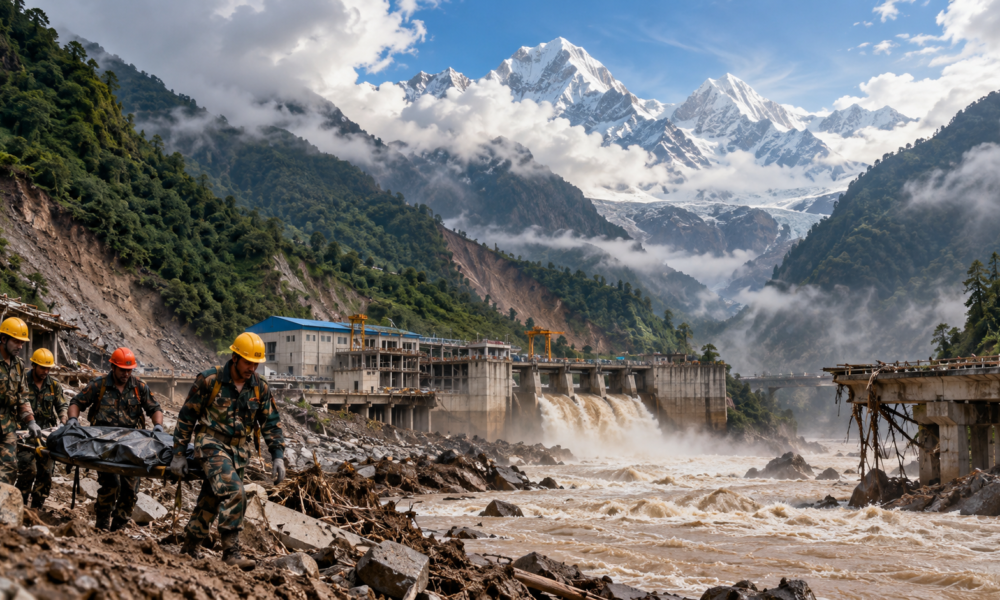
Nepal was hit by severe floods recently that damaged its hydropower projects in many regions. More than 10 % of Nepal’s electricity capacity has been affected by the floods. More than 20,000 people were left without electricity in one affected area. Hydropower projects in Rasuwa, Nuwakot and Dhading were partly or fully damaged.
Hundreds of workers from several hydropower projects are still missing, according to the Independent Power Producers’ Association, Nepal. Many workers took shelter inside project tunnels and are waiting to be rescued. The floods also damaged roads, bridges, schools and hospitals. Experts say Nepal should not simply rebuild the damaged infrastructure in the same way. New projects should be designed to handle future floods, landslides and other disasters. Experts suggest using safer locations, backup power, alternative roads, better warning systems and insurance. Nepal has about $124 billion worth of infrastructure exposed to climate-related disasters. The country already faces average yearly disaster losses of nearly $760 million, according to the cited report.
The Himalayan region is warming quickly, increasing risks from climate-related disasters. Himalayan glaciers are losing ice faster, while unstable slopes, melting permafrost and changing rainfall can increase floods and landslides. This is especially important for Nepal because hydropower is a major source of electricity and economic growth.
Many Nepalese hydropower projects are built along rivers, where floods and landslides can cause serious damage. Experts say small floods may sometimes be controlled with physical protections, but very large floods can overwhelm them. Early warning systems can therefore play an important role in protecting workers and local communities. The disaster may also lead Nepal to review where new hydropower projects are approved. Experts say future projects should carefully study flood, landslide and environmental risks in each location. Nepal could also increase the use of decentralised solar power to reduce dependence on hydropower. The main question for Nepal now is not only how quickly to rebuild, but also how to build more safely for the next disaster.







No Comment! Be the first one.