






PMAY-G Rural Housing Push: How Rural Homes Are Driving Construction Activity Across India
India’s rural housing programme is emerging as an important driver of construction activity, employment and demand for building materials as the government works towards its expanded housing target...

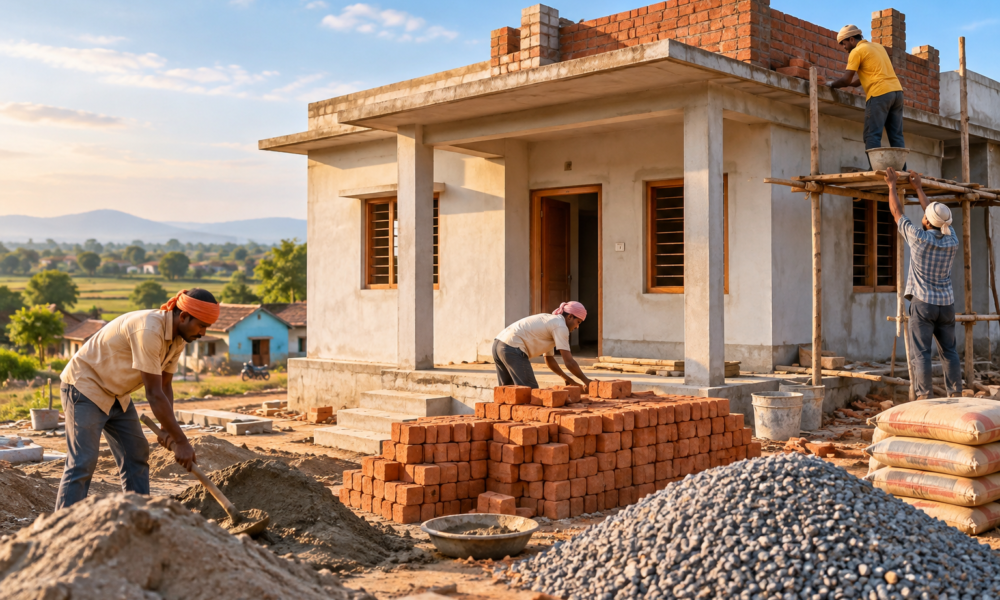
India’s rural housing programme is emerging as an important driver of construction activity, employment and demand for building materials as the government works towards its expanded housing target under the Pradhan Mantri Awaas Yojana-Gramin (PMAY-G).
According to the Ministry of Rural Development, PMAY-G had an overall allocation of 4.18 crore houses to States and Union Territories as of August 3, 2026. Of these, 3.91 crore houses had been sanctioned and 3.12 crore completed, while around 79 lakh sanctioned houses remained under construction.
The government is ultimately targeting 4.95 crore rural houses by March 2029. During the last five financial years, from 2021-22 to 2025-26, 2.13 crore houses were targeted, 1.95 crore were sanctioned and 1.21 crore were constructed, according to a Ministry of Rural Development release issued in August.
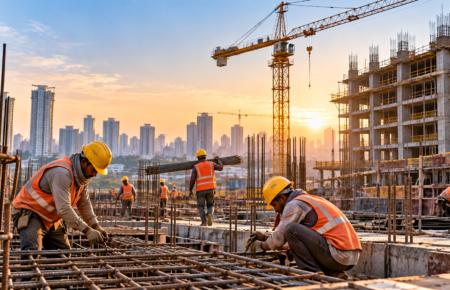
The scale of construction creates a wider economic impact beyond individual beneficiaries. A PMAY-G house requires materials such as cement, steel, bricks, sand, doors, windows, electrical components and plumbing products. This creates demand across several segments of the rural construction ecosystem.
The employment impact is also significant. A government statement said construction of a PMAY-G house generates approximately 201 person-days of direct employment, comprising skilled, semi-skilled and unskilled work. More than 585 crore person-days had been generated through PMAY-G construction activities between 2016 and 2025, according to government data.
The programme is also creating demand for skilled rural construction workers. The Rural Mason Training initiative has been introduced to address shortages of trained masons and improve construction quality. The government reported that more than 3.75 lakh candidates had been enrolled in the programme, with over 3.02 lakh certified as of November 2025.
PMAY-G is designed around beneficiary-led construction, with beneficiaries constructing homes themselves or under their supervision. States and Union Territories can provide house-design options suited to local climatic conditions and facilitate access to construction materials at competitive rates.
The programme is also intended to work alongside other rural development schemes. Government material highlights convergence with programmes covering sanitation, drinking water, clean cooking energy and household electricity, creating a broader rural infrastructure ecosystem around the house itself.
For the construction industry, the continuing PMAY-G pipeline therefore represents more than a housing programme. It connects government expenditure with rural demand for construction materials, local labour, skilled trades and allied services.
At the same time, implementation quality remains important. The government has previously withheld or delayed funds in cases where serious irregularities were identified, including problems involving beneficiary selection, construction quality and compliance with scheme guidelines.
As India moves towards the 2029 housing target, the pace of construction, quality of completed homes and availability of skilled labour will remain important indicators of how effectively the rural housing programme translates public spending into long-term physical infrastructure.






No Comment! Be the first one.