








FASTag and India’s Highway Network: How Digital Tolling Is Changing Road Travel
FASTag has become an important part of India’s highway payment system, allowing eligible vehicles to pay toll charges electronically instead of relying entirely on cash transactions. By using...

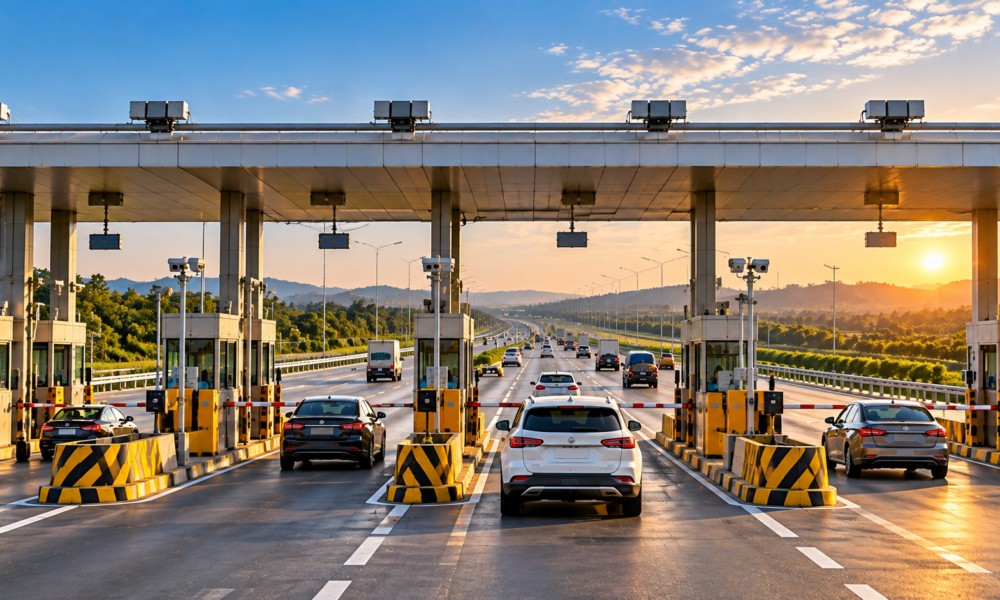
FASTag has become an important part of India’s highway payment system, allowing eligible vehicles to pay toll charges electronically instead of relying entirely on cash transactions. By using radio-frequency identification technology, FASTag enables toll collection systems to identify a linked tag and deduct the applicable fee from the associated payment account.
The system is intended to make toll collection more efficient, reduce the need for cash handling and support smoother movement through toll plazas.
How FASTag Works
A FASTag is generally attached to a vehicle’s windscreen and linked to a bank or authorised issuer. When a vehicle passes through a compatible toll lane, the system reads the tag and processes the toll payment according to the applicable rules.
Drivers must maintain a valid tag, sufficient balance where required and correct vehicle details. A tag that is inactive, blacklisted, improperly affixed or otherwise invalid can cause payment problems and may lead to additional charges under the applicable toll rules.
FASTag does not remove the need to pay tolls. It changes the method of collection, making it important for motorists to check their account status and transaction history before long journeys.
FASTag Annual Pass: What Drivers Should Know
The National Highways Authority of India introduced the FASTag Annual Pass on August 15, 2025, for eligible non-commercial cars, jeeps and vans. For financial year 2026–27, the notified fee is ₹3,075.
According to the Press Information Bureau, the pass covers eligible journeys at National Highway and National Expressway fee plazas for one year or up to 200 fee-plaza crossings, whichever comes first. It is activated on the existing valid FASTag linked to the vehicle after payment through the designated official channels.
By June 2026, more than 77 lakh Annual Passes had been issued, according to a government update published in July. The figure indicates substantial adoption, although the pass is not a universal replacement for every toll payment arrangement or every type of road.
Benefits for the Highway Network
Electronic tolling can help reduce cash-handling requirements and provide digital transaction records. These records can assist motorists in checking deductions and help authorities analyse toll activity.
More efficient toll processing may also reduce some sources of congestion around toll plazas. However, actual travel times depend on traffic volumes, lane design, vehicle compliance, road conditions and the performance of toll equipment.
FASTag is also part of a broader shift towards digital transport services. When payment systems, highway information and vehicle records work reliably together, road users can benefit from more predictable journeys and easier access to transaction information.
Challenges Motorists Should Understand
Digital tolling can still produce disputes, failed transactions or incorrect deductions. Drivers should retain transaction records and use the official grievance channels provided by the relevant authority or issuer.
It is also important to distinguish National Highway and National Expressway fee plazas covered by the Annual Pass from other roads or toll facilities that may operate under different arrangements. Eligibility and payment rules should be checked before purchasing a pass.
Motorists should use official channels to activate or renew a pass and be cautious about messages requesting payment through unfamiliar links.
What Comes Next?
As India’s highway network expands, digital toll collection will remain an important part of managing road-user payments. Its long-term value will depend on reliable equipment, transparent charges, effective complaint resolution and clear communication with drivers.
For motorists, the practical approach is to keep FASTag details current, review transactions and understand the terms of any annual pass before travelling.
Digital tolling can make road travel more convenient, but its success ultimately depends on a payment system that is dependable, easy to understand and accessible to everyday users.







No Comment! Be the first one.