




India’s Railway Infrastructure Push: How Station Redevelopment Is Transforming Passenger Travel
India is investing in railway station redevelopment to improve passenger comfort, accessibility and connectivity. Through the Amrit Bharat Station Scheme, Indian Railways is upgrading station...

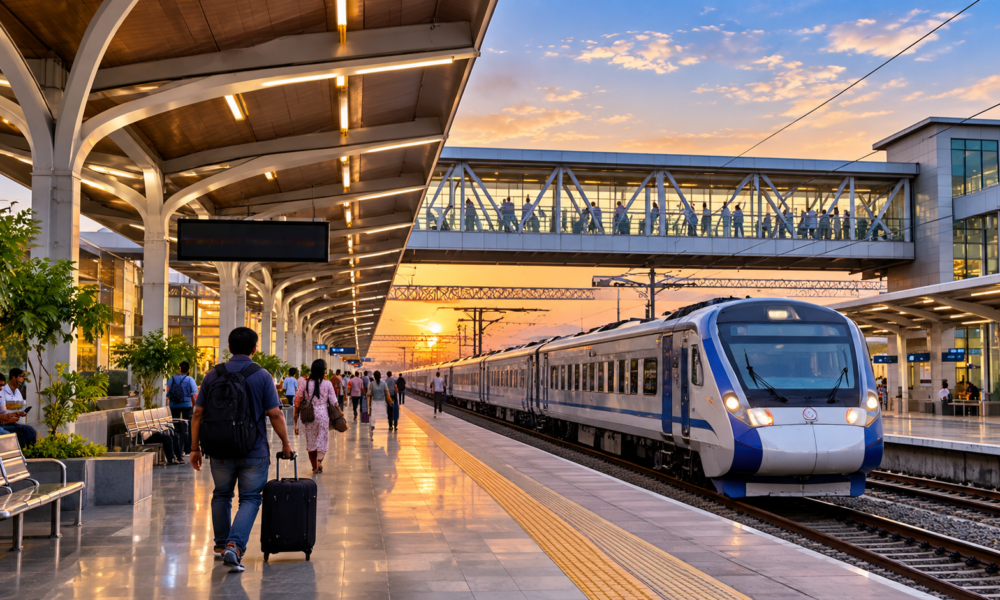
India is investing in railway station redevelopment to improve passenger comfort, accessibility and connectivity. Through the Amrit Bharat Station Scheme, Indian Railways is upgrading station buildings, waiting areas, platforms and passenger facilities while preparing railway stations for the needs of growing cities.
Amrit Bharat Station Scheme Drives Modernisation
The Amrit Bharat Station Scheme follows a long-term, phased approach to railway station redevelopment. Instead of treating every station as a standalone building project, the programme uses station-specific master plans to identify improvements based on local requirements and passenger demand.
The Ministry of Railways has identified 1,340 stations for development under the scheme. In July 2026, the government announced the inauguration of 75 redeveloped stations across 20 states, with a combined investment of approximately ₹1,570 crore for that group of projects. The initiative builds on earlier rounds of station redevelopment. [Source: Press Information Bureau, July 18, 2026.]
What Is Changing for Passengers?
Station redevelopment can involve improvements to entrance areas, waiting halls, toilets, drinking-water facilities, seating, platform shelters and passenger information systems. Depending on the station’s requirements, projects may also include lifts, escalators, ramps, wider foot overbridges, subways and better parking arrangements.
These facilities can make railway travel easier for older passengers, families with children, people with disabilities and travellers carrying luggage. Better signage and digital passenger information can also help people navigate busy stations and find their platforms more efficiently.
However, the facilities available at each station depend on the scope and completion status of its redevelopment project. Passengers should not assume that every feature is available at every station covered by the scheme.
Connecting Railway Stations With Cities
Modern railway stations can play a wider role in urban development. Better access roads, parking, pedestrian routes and connections with buses or metro services can help passengers complete the first and last legs of their journeys.
The scheme also envisages integrating stations with both sides of a city where feasible. This can improve local accessibility and help stations function as transport hubs rather than isolated railway facilities.
The One Station One Product initiative can provide space for local goods and crafts, giving regional producers opportunities to reach railway passengers. In suitable locations, station improvements can also support tourism, trade and surrounding businesses.
The Challenges Behind Redevelopment
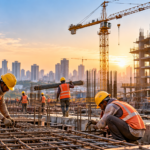
Modernising a busy railway station is complex because trains and passenger services must continue operating during much of the construction work. Projects also need coordination between railway departments, contractors, utility providers and local authorities.
Construction schedules, crowd management, accessibility, maintenance and the quality of completed facilities all affect the final passenger experience. New infrastructure must remain clean, safe and functional after inauguration.
For this reason, project announcements should be distinguished from completed work, and the presence of a station on the redevelopment list should not be treated as proof that every planned improvement has been delivered.



No Comment! Be the first one.