




Delhi’s Urban Infrastructure: The Transport and Development Projects Shaping the Capital
Delhi’s urban infrastructure is evolving as the capital faces rising travel demand, traffic congestion and the need for better connections between residential areas, commercial districts and...

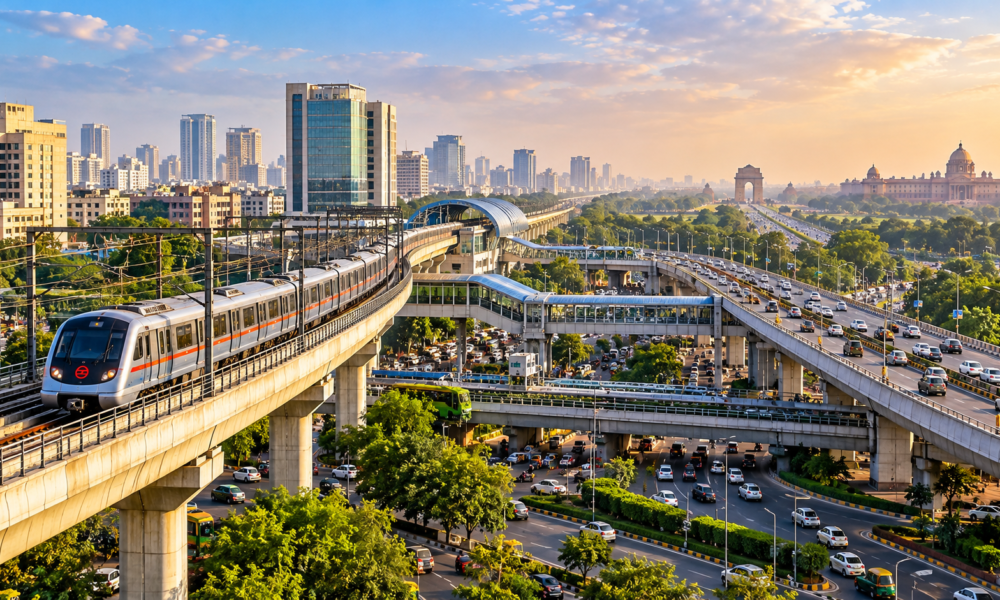
Delhi’s urban infrastructure is evolving as the capital faces rising travel demand, traffic congestion and the need for better connections between residential areas, commercial districts and public transport. Road projects, metro expansion and railway station redevelopment are central to efforts to improve mobility across the National Capital Territory.
Road Projects Target Traffic Bottlenecks
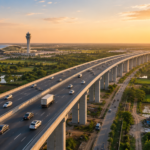
Delhi continues to pursue road improvements intended to reduce congestion at major junctions and improve links between different parts of the city. A report published by The Times of India on October 8, 2026, said the Delhi government was looking to expedite a proposed ₹7,000-crore elevated Ring Road project following traffic pressure around Sarai Kale Khan.
The reported plan describes a corridor of approximately 55 kilometres, intended to strengthen connectivity between East Delhi and other parts of the capital. The proposal includes two bridges over the Yamuna, with priority stretches identified for development.
The project should be understood as a reported plan rather than a completed road. Its eventual effect on traffic will depend on approvals, construction timelines, junction design and how effectively the corridor connects with existing roads. [Source: The Times of India, October 8, 2026.]
Metro and Road Integration
Delhi’s transport network depends on the coordination of roads, metro services, buses, railway stations and pedestrian infrastructure. A road may improve vehicle movement along one corridor, but the wider benefit depends on whether people can connect conveniently to their final destinations.
The Delhi government’s Economic Survey for 2025–26 documents several transport-related infrastructure works. These include an elevated road and underpass project along the MB Road corridor between Saket G-Block and Pul Prahladpur, being executed by the Delhi Metro Rail Corporation as a deposit work.
The survey reported that approximately 30% of this project’s work had been completed at the time of reporting. The figure is a dated progress snapshot, not a statement of its status in October 2026.
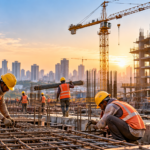
Such projects illustrate the complexity of urban infrastructure: road construction may need to be coordinated with metro alignments, utility networks, junctions and pedestrian access.
Railway Stations as Urban Hubs
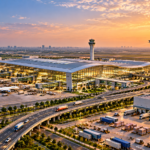
Railway station redevelopment also contributes to Delhi’s broader mobility strategy. Under the Amrit Bharat Station Scheme, 13 stations in Delhi have been identified for development, including New Delhi, Anand Vihar, Hazrat Nizamuddin, Delhi Cantt, Safdarjung and Bijwasan.
The programme includes improvements to station buildings, waiting areas, passenger information systems and accessibility facilities. Better links between railway stations and local transport can help passengers move between trains, metro services, buses and road-based transport.
The actual facilities and construction status vary by station, so individual project announcements should be checked before reporting that a specific improvement is complete.
The Challenge of Building a More Accessible City
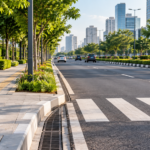
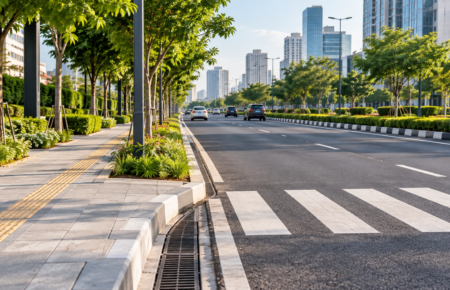
Urban infrastructure is not measured only by kilometres of road or the number of projects announced. Pedestrian safety, public transport reliability, accessibility for people with disabilities, drainage, air quality and maintenance all influence how well a city functions.
Elevated roads can help traffic move through particular bottlenecks, but they do not automatically reduce congestion across an entire city. Demand management, reliable public transport, safe walking routes and coordinated land-use planning also matter.
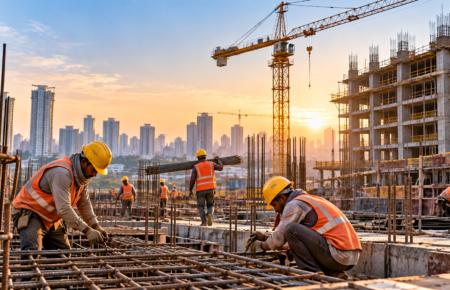
Construction itself can create temporary disruption, making clear traffic diversions and realistic completion schedules important for residents and businesses.
What Delhi’s Next Phase Requires
Delhi’s infrastructure priorities reflect a larger challenge shared by growing cities: creating a connected transport system rather than a collection of separate projects.
The success of upcoming road corridors, metro-linked works and railway station upgrades will depend on execution, coordination and long-term maintenance. For residents, the most meaningful outcomes will be safer journeys, more predictable travel times and easier access to employment, education and essential services.
As Delhi continues to develop, integrated planning will be critical to ensuring that new infrastructure improves mobility across the city rather than simply moving congestion from one junction to another.



No Comment! Be the first one.