







El Niño and India’s Monsoon: Potential Implications for Construction, Water Supply and Infrastructure
El Niño is an important climate phenomenon that can influence rainfall patterns across the world, including India’s summer monsoon. Changes in monsoon rainfall can affect water availability,...

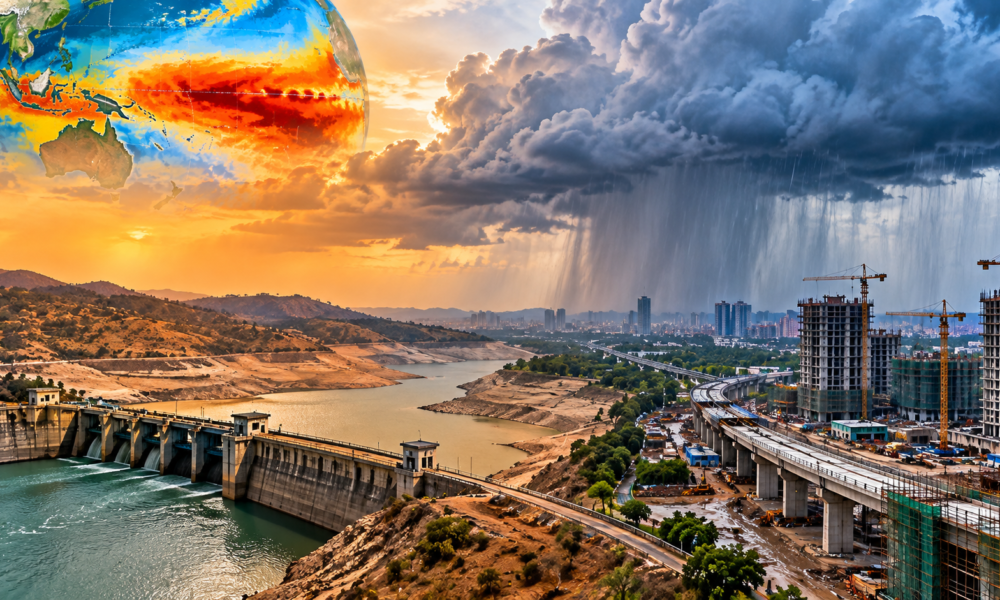
El Niño is an important climate phenomenon that can influence rainfall patterns across the world, including India’s summer monsoon. Changes in monsoon rainfall can affect water availability, construction schedules, agricultural activity and infrastructure planning. For India’s rapidly developing cities and transport networks, preparing for rainfall variability is essential.
The India Meteorological Department (IMD) issued a below-normal forecast for the 2026 southwest monsoon season. In its first-stage long-range forecast on April 13, 2026, the department projected seasonal rainfall at 92% of the Long Period Average, with a model error of plus or minus 5%. The forecast is a seasonal outlook, not a guarantee of rainfall in every state or district. [Source: Press Information Bureau, August 5, 2026.]
How El Niño Can Influence the Monsoon
El Niño refers to the periodic warming of surface waters in the central and eastern equatorial Pacific Ocean. It can influence atmospheric circulation and weaken the Indian summer monsoon, although the relationship varies between events.
According to the government, seven of the 16 El Niño years recorded since 1950 were associated with below-normal Indian monsoon rainfall. The relationship is particularly relevant during the latter part of the monsoon season, including September.
El Niño is not the only factor affecting rainfall. Regional weather systems, ocean conditions, atmospheric circulation and other climate influences also play a role. As a result, infrastructure planners should use official seasonal and monthly forecasts rather than assuming that an El Niño event will automatically cause drought everywhere in India.
Why Construction Projects Need Weather Planning
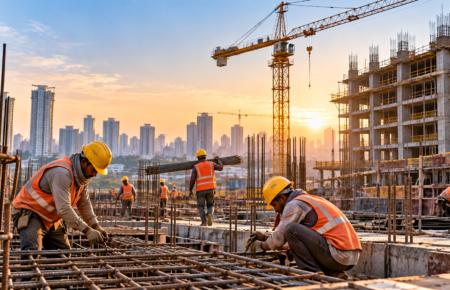
Construction projects depend on predictable working conditions, safe access and suitable ground conditions. Heavy rainfall can flood excavation sites, delay earthworks, disrupt the transport of materials and damage temporary structures.
Conversely, extended dry periods can increase dust, raise water demand and complicate concrete curing and other water-intensive activities. These risks can affect road construction, railway works, bridges, drainage systems and building projects.
Contractors can reduce exposure by incorporating weather forecasts into work schedules, protecting excavations, maintaining site drainage and securing materials. Project managers should also plan for temporary disruptions instead of relying on a single expected weather pattern.
The appropriate measures vary by location and project type. A road project in a flood-prone district requires different precautions from construction work in an arid region.
Water Supply and Urban Infrastructure
Monsoon rainfall is important for reservoirs, groundwater recharge and water availability in many parts of India. Below-normal rainfall can increase pressure on existing water supplies, particularly in areas that already experience seasonal shortages.
Cities can prepare through reservoir monitoring, leakage reduction, efficient water use, rainwater harvesting where appropriate and protection of local drainage systems. Rainfall planning should also consider the possibility of intense downpours, because a below-normal seasonal total does not rule out local flooding.
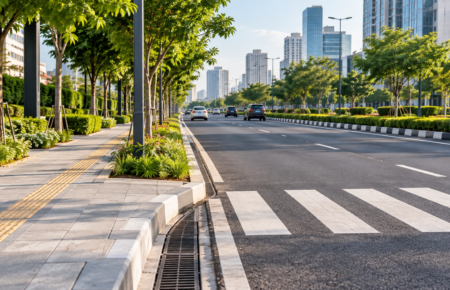
Urban drainage, stormwater channels and flood-control infrastructure need maintenance before and during the monsoon. Blocked drains and poorly planned construction can increase flood risks even when the wider seasonal rainfall pattern is not unusually wet.
Implications for Roads, Railways and Energy
Weather variability can disrupt road access, railway operations, power distribution and logistics. Flooded roads can delay deliveries, while waterlogging around railway infrastructure may require operational restrictions or repairs. Hydropower generation and thermal power operations can also be affected by changes in water availability, depending on the region and system.
Infrastructure resilience therefore requires coordinated planning between weather agencies, public authorities, utilities and project operators. Early warnings, emergency response plans and regular maintenance can help reduce disruption.
What Should Infrastructure Planners Do?
The practical response to monsoon uncertainty is preparation rather than prediction alone. Project teams should review IMD updates, assess local flood and water risks, protect construction sites and establish contingency plans for delays.
For cities, investment in reliable drainage, water conservation and resilient transport infrastructure can help manage both dry spells and intense rainfall.
El Niño provides a useful reminder that climate variability is an infrastructure issue as well as a weather issue. Better forecasting, maintenance and risk planning can help India’s projects and essential services remain more reliable under changing conditions.




No Comment! Be the first one.