







Mumbai Metro Line 12A Gets ₹13,856-Crore Approval: What the New Corridor Means for Connectivity
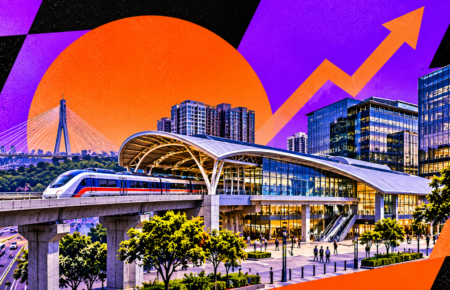
Mumbai’s urban transportation network is set for another expansion with the Maharashtra government approving Metro Line 12A, an elevated corridor connecting Manpada, Katai Naka, Kalyan Phata...

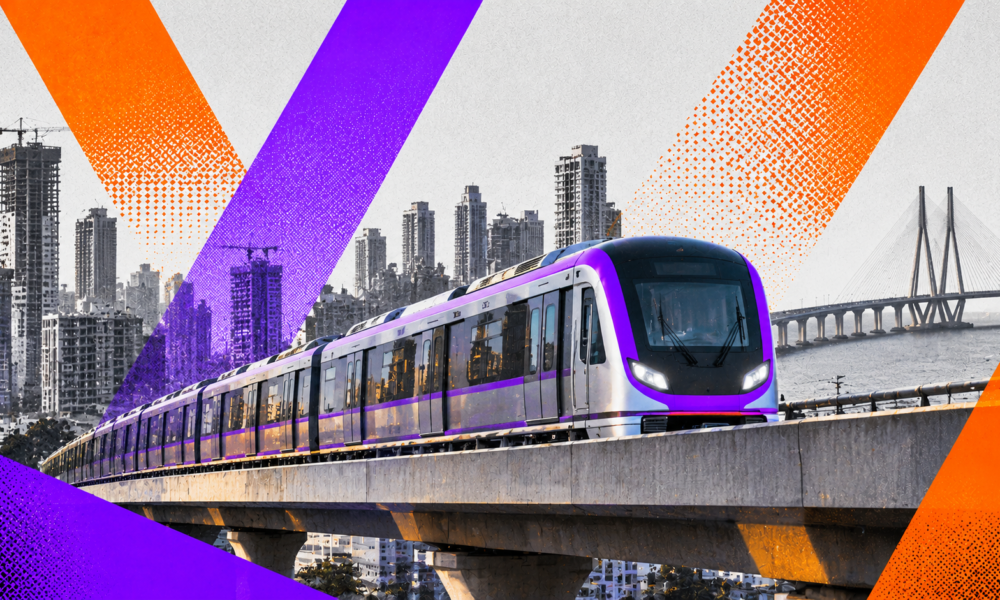
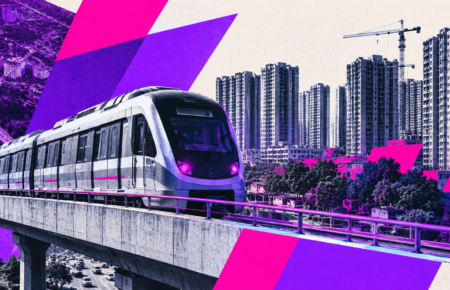
Mumbai’s urban transportation network is set for another expansion with the Maharashtra government approving Metro Line 12A, an elevated corridor connecting Manpada, Katai Naka, Kalyan Phata and Taloja.
The project received approval on October 27, 2026, with a total estimated investment of ₹13,856.37 crore.
The proposed corridor will cover approximately 18.4 kilometres and include 12 elevated stations.
The Mumbai Metropolitan Region Development Authority (MMRDA) is expected to implement the project. It will also provide interchange facilities at Amandoot, Kalyan Phata and Katai Naka.
The project is expected to be completed within three and a half years from the commencement of construction.
The corridor is planned to improve connectivity between important residential, commercial and industrial areas in the Mumbai Metropolitan Region.
Indian Infrastructure+1
News in Numbers
- ₹13,856.37 crore: Estimated project investment.
- 18.4 km: Total corridor length.
- 12 stations: Planned elevated stations.
- 3.5 years: Target completion period after commencement.
- 3 interchange points: Amandoot, Kalyan Phata and Katai Naka.
- 4.74 lakh passengers: Projected daily ridership, according to reporting by The Times of India.
Why Does It Matter?
Mumbai and its surrounding regions face heavy traffic congestion because of growing population and increasing daily travel.
A new metro corridor can provide commuters with another public transport option and reduce dependence on private vehicles.
It can also improve connections between residential areas, workplaces and commercial centres.
One Industrial Trend
Metro infrastructure is influencing real estate and commercial development.
Better public transportation can increase the attractiveness of areas around metro stations.
Developers, retailers, office operators and residential property companies may benefit from improved connectivity.
Future Impact
The project could support the development of residential and commercial areas along its route.
It may also encourage more people to use public transportation, reducing pressure on important road networks.
The actual benefits will depend on construction timelines, interchange integration and the frequency of metro services.
The bigger picture: Metro expansion is not just about moving passengers. It can reshape how cities grow, where people live and where businesses invest.




No Comment! Be the first one.