





India’s Infrastructure Growth: Highway Projects Rise 62.9% as Ports and Air Cargo Expand
India’s infrastructure sector is showing strong growth across roads, ports, airports, electricity and digital connectivity. New government figures show that several important infrastructure...


India’s infrastructure sector is showing strong growth across roads, ports, airports, electricity and digital connectivity. New government figures show that several important infrastructure sectors have recorded higher activity during the first few months of the financial year 2026–27.
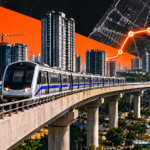
According to the Ministry of Statistics and Programme Implementation (MoSPI), National Highway projects awarded between April and September 2026 increased by 62.9% compared to the same period last year. The total length of highway projects awarded reached 2,236.3 kilometres.
This growth shows that India continues to invest in better road connectivity. Highways play an important role in moving goods, connecting cities and improving access to industrial areas. Better roads can also help businesses reduce travel time and improve the movement of products across the country.
Highway development remains a major focus
Road infrastructure is important for India’s economic growth. Faster road connections can help farmers transport agricultural products, allow industries to move raw materials and make it easier for people to travel between cities.
However, there is an important difference between projects being awarded and projects being completed. The latest figures refer to highway projects awarded. Their actual impact will depend on construction progress, quality, land availability and timely completion.
The speed of execution will therefore remain an important factor for the coming months.
Ports record higher cargo movement
India’s ports have also reported growth. Major ports handled 390.4 million tonnes of cargo during April–August 2026. This represents an increase of 7.2% compared to the same period last year.
Non-major ports recorded cargo movement of 313.4 million tonnes, showing growth of 1.8%.
Ports are important for India’s trade because a large amount of international cargo moves through sea routes. Better port facilities can help reduce delays, improve the movement of goods and support exporters and importers.
Higher cargo movement also creates demand for better roads, rail connections, warehouses and logistics services around port areas.
Air cargo and digital connectivity are expanding
Air cargo traffic reached 18.6 lakh tonnes between April and August 2026, recording 12% year-on-year growth. Delhi airport handled 5.3 lakh tonnes, the highest volume among Indian airports in the reported figures.
At the same time, India’s optical fibre network reached approximately 7.52 lakh kilometres by August 2026. Around 29,256 kilometres of additional optical fibre cable were added during April–August.
Optical fibre networks help provide faster internet services to homes, offices, industries and government institutions. They are also important for digital payments, online education and modern business operations.
Renewable energy is becoming more important
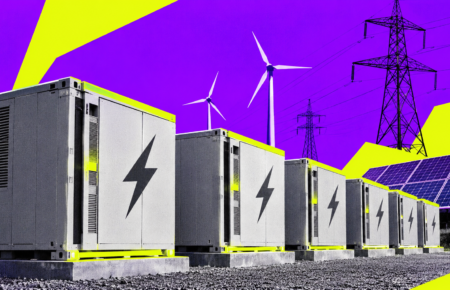
India’s electricity infrastructure is also changing. Installed power capacity reached around 5.33 lakh megawatts by March 2026.
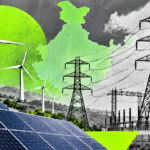
Renewable energy capacity increased by 29.5% to 2.23 lakh megawatts. This accounted for approximately 42% of the country’s total installed power capacity.
This growth reflects the increasing role of solar, wind and other renewable sources in India’s energy plans. However, installed capacity does not mean that the same amount of electricity is produced every day. Actual power generation depends on weather conditions, plant performance and other factors.
What does this mean for India’s economy?
The latest figures show that infrastructure development is happening across several areas at the same time.
Roads support transport, ports support international trade, airports help move valuable goods and optical fibre networks improve digital access. Renewable energy can also support India’s growing electricity needs.
The next challenge is to ensure that these projects are completed on time and deliver real benefits.
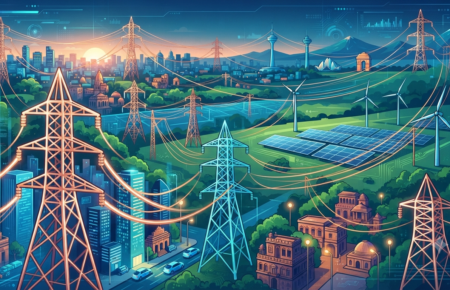
For India, infrastructure growth is not only about building more roads or larger ports. It is also about creating a connected system that helps businesses grow, improves public services and supports long-term economic development.






No Comment! Be the first one.