






India’s Construction Waste Challenge: Can Demolished Buildings Become a Resource?
India’s cities are constantly changing. Old buildings are demolished, roads are rebuilt and new housing and commercial projects come up. But this development creates a large amount of...

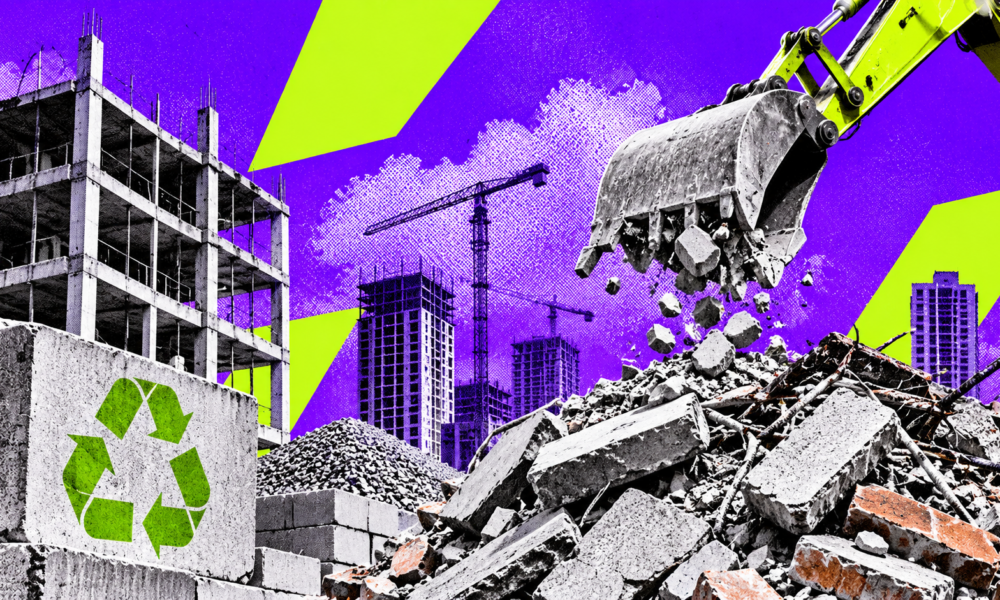
India’s cities are constantly changing. Old buildings are demolished, roads are rebuilt and new housing and commercial projects come up. But this development creates a large amount of construction and demolition waste.
This waste includes concrete, bricks, tiles, wood, metal and other materials left behind during construction, renovation and demolition.
Instead of sending all this material to dumping sites, cities can process and recycle suitable waste. Recovered materials can be used in selected construction applications, depending on quality and technical standards.
The Ministry of Environment, Forest and Climate Change’s 2024–25 annual report recorded an addition of 19,780 tonnes per day of construction and demolition waste processing capacity through the relevant urban initiatives. Source: Ministry of Environment, Forest and Climate Change
Why does this matter?
Unmanaged construction waste can block drains, occupy valuable land and create dust and pollution. Recycling can reduce the amount of waste sent to dumping sites and lower the demand for some fresh raw materials.
It can also create a market for recycled construction products.
What does it mean for builders and citizens?
Builders may need to separate waste at construction sites and send it to authorised processing facilities.
Cities need collection points, recycling plants, transport systems and clear rules for using recycled materials.
For recycled products to gain acceptance, they must meet quality and safety standards. Proper testing is essential, especially when materials are used in roads, buildings or other infrastructure.
What happens next?
India needs better tracking of construction waste, stronger enforcement and more organised recycling markets.
The opportunity is to treat demolition waste not simply as rubbish, but as a source of materials that can support the next generation of urban development.



No Comment! Be the first one.