





India Flags Off First Hydrogen-Powered Train, Marking Major Step Towards Green Rail Transport
India has launched its first hydrogen-powered train, marking a major milestone in the country’s clean transport journey. Prime Minister Narendra Modi flagged off the train on Friday, making...

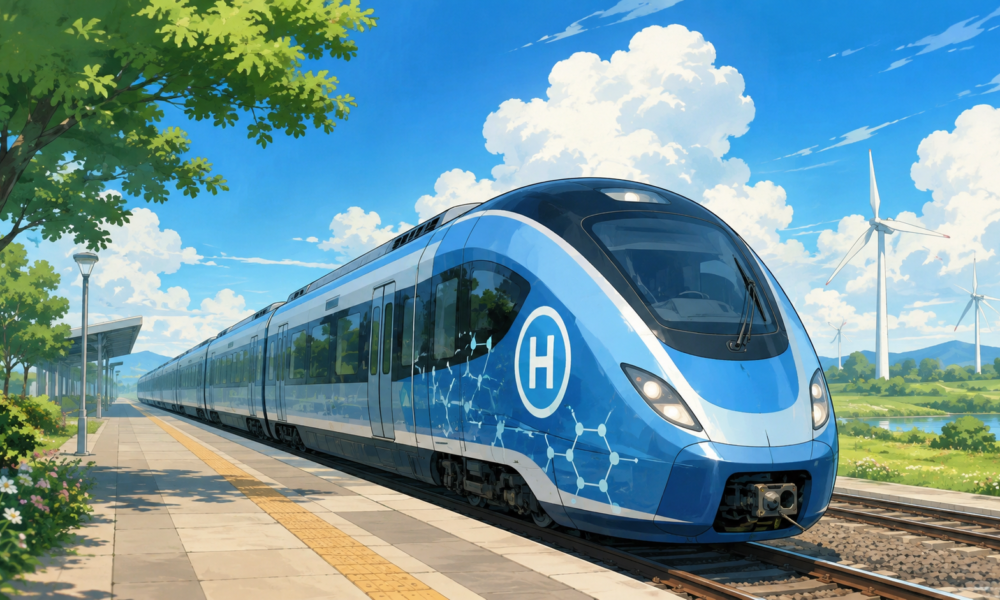
India has launched its first hydrogen-powered train, marking a major milestone in the country’s clean transport journey. Prime Minister Narendra Modi flagged off the train on Friday, making India one of the few countries to introduce hydrogen fuel cell technology for passenger rail services. The train will operate on the 89 kilometre Jind to Sonipat route in Haryana under Northern Railway.
Unlike conventional diesel trains, the new train generates electricity through hydrogen fuel cells. Hydrogen combines with oxygen inside the fuel cells to produce electricity, while water vapour is the only direct emission. This makes the technology a cleaner alternative for railway operations, especially on routes that are not fully electrified. The project also includes dedicated hydrogen storage and refuelling infrastructure to support regular operations.
The launch represents an important shift in India’s transport infrastructure strategy. Indian Railways has already invested heavily in electrification over the past few years. Hydrogen trains now provide another option for routes where full electrification may not be practical or economically viable. They also support India’s wider goal of reducing carbon emissions and expanding the use of cleaner energy across public transport.
For the infrastructure sector, hydrogen-powered mobility creates opportunities well beyond rail transport. Large scale adoption will require investment in hydrogen production plants, storage facilities, refuelling stations, specialised maintenance centres and new supply chains. These developments are expected to create fresh opportunities for engineering companies, equipment manufacturers, energy firms and infrastructure developers.
The project also highlights the growing role of green hydrogen in India’s infrastructure plans. Over the coming years, hydrogen is expected to play a larger role in sectors such as heavy transport, shipping, steel production and industrial manufacturing. As demand increases, supporting infrastructure will become equally important, opening new areas for public and private investment.
The manufacturing ecosystem has also contributed to the project. Jindal Stainless supplied around 40 per cent of the stainless steel used for the coach bodies, continuing its long association with Indian Railways. Lightweight and durable materials are expected to improve operational efficiency while supporting modern train design.
Experts believe hydrogen-powered trains could gradually become part of India’s broader clean mobility network alongside electric trains, metro systems and electric buses. While the technology is still at an early stage, successful operations on the Haryana route could pave the way for similar services on other non-electrified rail corridors across the country.
India’s first hydrogen-powered train is therefore more than a new railway service. It signals the beginning of a new phase in sustainable infrastructure development, where transport, clean energy and industrial investment come together to build greener public infrastructure. As hydrogen technology matures and supporting facilities expand, the country’s railway network could become an important driver of India’s clean energy transition while strengthening its position as a leader in sustainable infrastructure development.






No Comment! Be the first one.