








India’s Housing Market Hits Plateau as H1 2026 Sales Hold at ₹3.63 Lakh Crore
India’s housing market maintained its strong value performance in the first half of 2026, but sales volumes have begun to show signs of moderation. Primary housing sales across Tier-1 cities stood at...

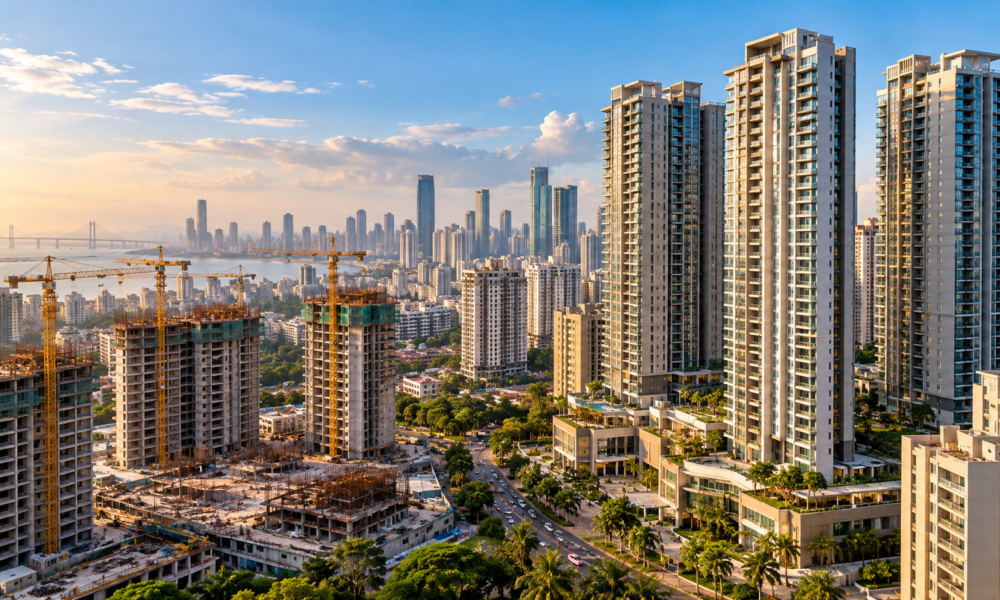
India’s housing market maintained its strong value performance in the first half of 2026, but sales volumes have begun to show signs of moderation. Primary housing sales across Tier-1 cities stood at around ₹3.63 lakh crore during January-June 2026, almost unchanged from the record level recorded in the same period last year.
According to the September 2026 India Housing Report by CRE Matrix and the National Association of Realtors-India, around 2.58 lakh homes were sold across major Tier-1 markets during H1 2026. This represented a decline of approximately 2% from the previous year.
At the same time, developers continued to add new supply. Nearly 2.98 lakh housing units were launched during the period, marking a 7% year-on-year increase. The gap between launches and sales suggests that developers are bringing homes to market faster than buyers are absorbing them.
The numbers also indicate that India’s housing market is increasingly being supported by higher-value transactions rather than a rapid increase in the number of homes sold. The average ticket size stood at around ₹1.4 crore, rising approximately 2% year-on-year.
Mumbai Metropolitan Region, or MMR, emerged as India’s largest housing market by sales value, accounting for around 26% of pan-India housing sales value. The National Capital Region, which had previously occupied the top position, was overtaken by MMR during the period.
Bengaluru also recorded strong growth, with housing sales value increasing by around 25% during H1 2026. The city’s performance reflects continuing demand from technology professionals, businesses and high-income households, alongside its expanding employment and infrastructure ecosystem.
The latest figures point towards an important change in India’s residential property market. While the overall monetary value of housing sales remains elevated, the number of transactions is no longer expanding at the same pace.
For developers, this could encourage greater focus on product positioning, location, amenities and pricing rather than simply increasing the volume of launches. Homebuyers, meanwhile, may have more options as fresh supply continues to enter major markets.
The trend could become particularly important during the second half of 2026. Developers typically increase launches around the festive season, while buyers may become more active as promotional schemes and financing offers emerge.
The market therefore enters the second half of the year with two contrasting signals: housing values remain resilient, but transaction volumes are showing signs of moderation.
For India’s major urban housing markets, the next phase may increasingly depend on whether rising supply can be matched by sustainable buyer demand.






No Comment! Be the first one.