





India’s Infrastructure Push Expands Beyond Roads as Rail, Logistics and Digital Networks Gain Pace
India’s infrastructure programme is entering a broader phase, with the focus shifting from conventional transport projects to integrated networks that combine railways, highways, logistics,...

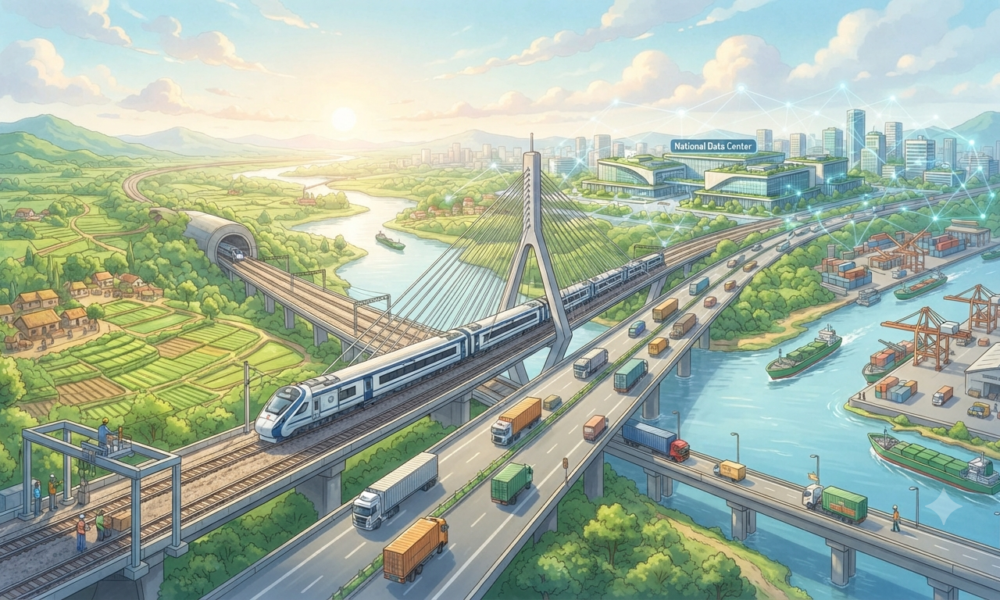
India’s infrastructure programme is entering a broader phase, with the focus shifting from conventional transport projects to integrated networks that combine railways, highways, logistics, digital infrastructure and industrial development. Recent government updates show that investments are increasingly aimed at improving connectivity, reducing freight costs and supporting long-term economic growth across multiple sectors.
The latest infrastructure roadmap places equal emphasis on physical and digital assets. Alongside new expressways and highways, significant attention is being given to railway modernisation, multimodal logistics parks, data infrastructure and industrial corridors. This integrated approach is expected to strengthen supply chains while improving connectivity between manufacturing hubs, ports and consumption centres.
Rail infrastructure remains one of the largest beneficiaries of public investment. The Mumbai-Ahmedabad High Speed Rail corridor continues to progress, while the Union Budget has announced plans for seven additional high speed rail corridors to improve long-distance connectivity. At the same time, Vande Bharat train services continue to expand across the country, offering faster travel and improved passenger capacity.
Freight movement is also receiving renewed attention. Under the PM Gati Shakti National Master Plan, multimodal cargo terminals are being developed to connect road, rail and port infrastructure more efficiently. These facilities are expected to reduce transportation delays, improve cargo handling and lower logistics costs for industries operating across India. Government data indicates that over 130 multimodal terminals are already operational, with hundreds more approved for development.
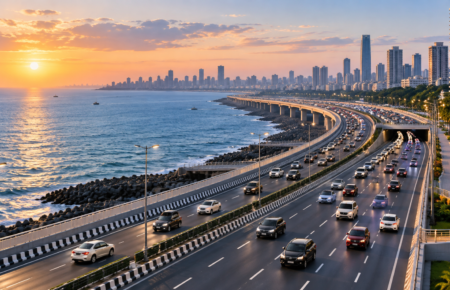
Road infrastructure continues to expand as well. India’s national highway network has grown substantially over the past decade, with a sharp increase in four-lane highways and access-controlled expressways. Bharatmala projects and economic corridors are improving connectivity between industrial regions, ports and border areas, creating stronger links for freight movement and regional trade. Rural connectivity has also improved through the Pradhan Mantri Gram Sadak Yojana, which has connected nearly all eligible habitations with all-weather roads.
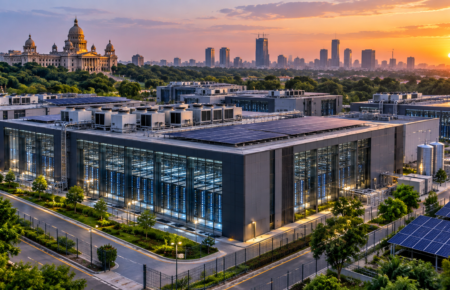
Digital infrastructure is emerging as another important pillar of the country’s development strategy. Budget allocations now include dedicated funding for artificial intelligence infrastructure, advanced computing systems and data centres. These investments are expected to support India’s expanding digital economy while attracting private investment into cloud services, technology parks and digital businesses.
Industrial infrastructure is also being strengthened through new manufacturing ecosystems. The government has proposed chemical parks, PM MITRA textile parks and biotechnology initiatives designed to provide shared utilities, logistics support and testing facilities. Such integrated industrial zones are intended to improve manufacturing efficiency while encouraging domestic and international investment.
Infrastructure spending remains one of the largest components of the Union Budget. Public capital expenditure has been increased further for the current financial year, supporting projects across transport, urban development, clean energy and digital infrastructure. Industry observers believe this sustained investment will continue to create opportunities for engineering, construction, logistics, technology and real estate companies while supporting employment generation across the country.
As India pursues its long-term economic ambitions, infrastructure development is becoming increasingly interconnected rather than sector specific. The combination of transport upgrades, logistics integration, industrial parks and digital investments reflects a wider strategy aimed at improving productivity, strengthening supply chains and supporting future economic growth.






No Comment! Be the first one.