








India’s Power Transmission Network Set for Major Expansion as Renewable Energy Capacity Grows
India’s infrastructure sector is entering a new phase of growth as the country accelerates investments in power transmission networks to support its expanding renewable energy ambitions. With...

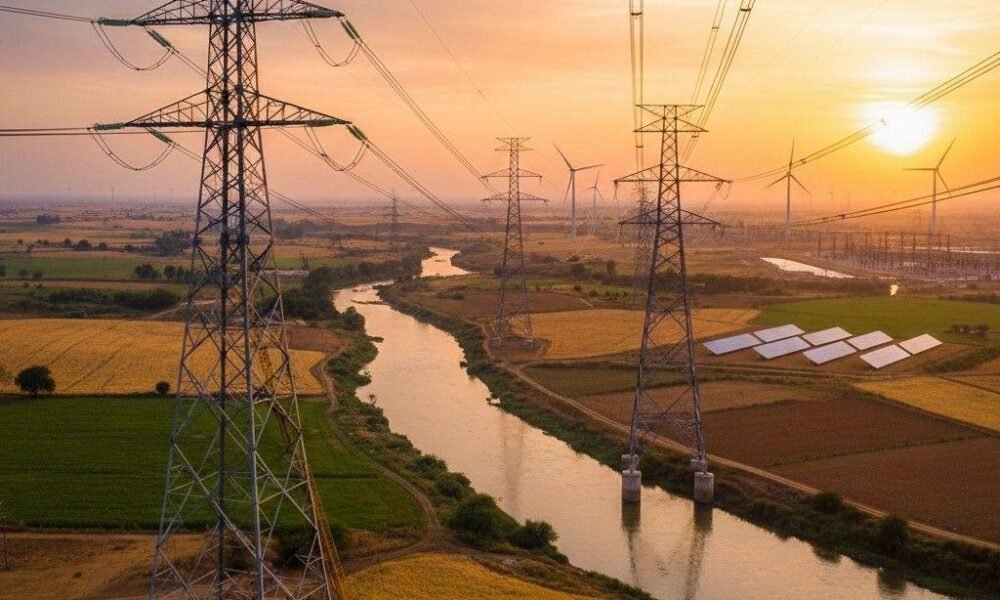
India’s infrastructure sector is entering a new phase of growth as the country accelerates investments in power transmission networks to support its expanding renewable energy ambitions. With solar and wind capacity increasing rapidly, policymakers and industry stakeholders are focusing on strengthening the grid infrastructure needed to deliver clean energy efficiently across the country.
According to recent industry estimates, India is expected to witness nearly ₹9 trillion in transmission infrastructure investments by 2032. The planned expansion comes as the country continues its push towards clean energy adoption while addressing rising electricity demand from industries, urban centers, electric vehicles and data centers.
Experts believe that transmission infrastructure will play a crucial role in India’s energy transition. While significant investments have already been made in solar parks and renewable energy projects, the ability to transport electricity from generation hubs to consumption centers remains equally important. As renewable energy projects are often located far from major cities and industrial clusters, the need for advanced transmission networks has become increasingly critical.
The growth in renewable energy capacity has been substantial over the past decade. Industry reports indicate that India’s renewable energy capacity has expanded significantly and is expected to continue growing as the nation pursues its long-term sustainability goals. This expansion is creating demand for new substations, transmission corridors and high-capacity power evacuation systems.
High-Voltage Direct Current (HVDC) technology is expected to become a key component of future transmission projects. The technology allows electricity to be transmitted over long distances with lower losses, making it particularly suitable for connecting renewable energy generation zones with high-demand regions. Industry analysts expect the HVDC segment to witness strong growth over the coming decade as infrastructure investments accelerate.
The government’s continued emphasis on infrastructure development is also providing momentum to the sector. Recent policy initiatives and capital expenditure plans have highlighted infrastructure as a central pillar of India’s economic growth strategy. Investments across transportation, energy and urban development are expected to generate significant opportunities for infrastructure developers, equipment manufacturers and engineering companies.
However, experts caution that challenges such as land acquisition, project execution timelines and regulatory approvals will need to be addressed to ensure timely completion of large-scale transmission projects. Industry stakeholders also emphasize the importance of maintaining grid stability as renewable energy integration increases.
As India continues its transition towards a cleaner and more resilient energy ecosystem, transmission infrastructure is emerging as one of the most critical components of the country’s long-term development strategy. The planned investments are expected not only to strengthen energy security but also to support economic growth, industrial expansion and sustainable development goals in the years ahead.









No Comment! Be the first one.