






Mahanadi Coalfields Lists on BSE and NSE. A Look at Its Odisha Coal Logistics Network
Mahanadi Coalfields Limited listed on the BSE and NSE on 27 November 2026, according to a Coal India filing. The offer covered 661,836,300 shares at ₹136 each, with parent company Coal India selling...

Mahanadi Coalfields Limited listed on the BSE and NSE on 27 November 2026, according to a Coal India filing. The offer covered 661,836,300 shares at ₹136 each, with parent company Coal India selling the shares. That put the offer value at approximately ₹9,001 crore. nsearchives.nseindia.com
The listing brings attention to an infrastructure question that shapes the company’s operations in Odisha. How does coal move from the mine to the railway network, and where can delays build up?
How First-Mile Connectivity Works
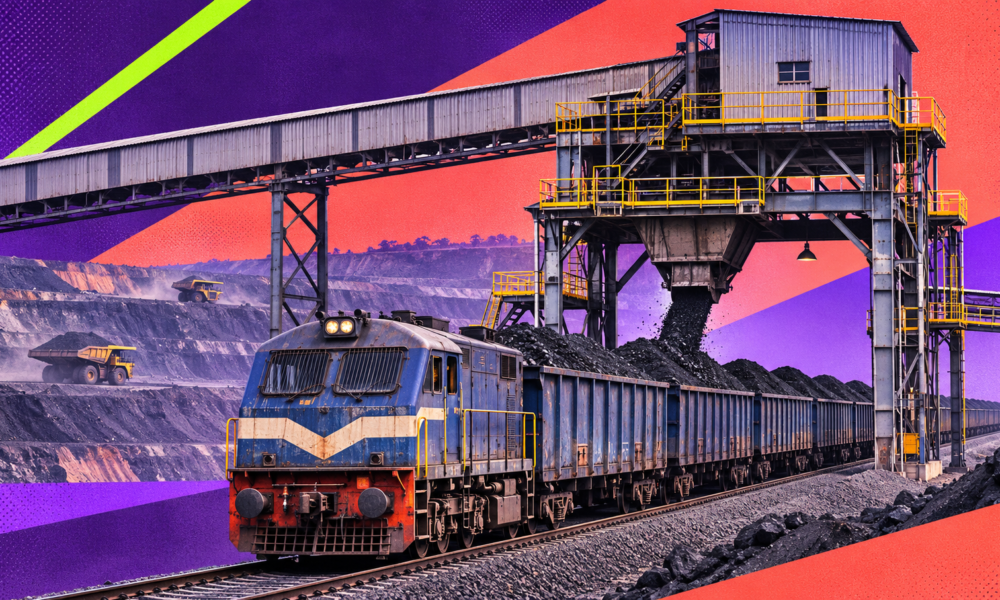
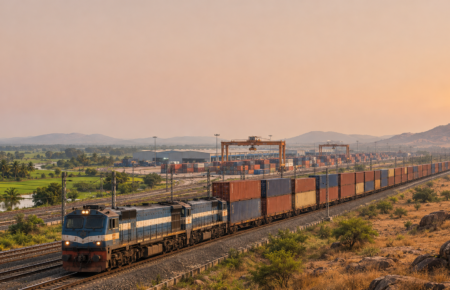
The first mile in coal logistics covers the movement of coal from the mine to a railway loading point. Mechanised handling and rapid loading systems can reduce reliance on truck movements along this stretch and shorten the time needed to load a train. These systems form part of Coal India’s broader push to improve coal dispatch from its mines. Press Information Bureau
In Odisha’s Angul district, the Ministry of Coal identified Bhubaneswari Phase I as a ₹335 crore first-mile project in the Talcher Coalfields. It also highlighted the Lajkura Rapid Loading System, developed at an investment of about ₹375 crore. The ministry cited a loading time of around 50 minutes for each system when it announced the projects in 2024.
Why the Railway Link Matters
Coal must still move out of the loading yard once the train is ready. The Ministry of Coal’s 2024 announcement also covered a 50 km second track on the Jharsuguda–Barpali–Sardega rail line. Mahanadi Coalfields built the track at an investment of ₹878 crore.
The loading system and the railway serve different parts of the same journey. Faster loading can free up a siding earlier, while the line beyond the yard determines how readily the loaded train can enter the wider rail network. If capacity is limited at either point, delays can carry through to the next stage.
What to Watch After the Listing
For readers following the company’s infrastructure, three indicators can help explain how the network performs over time. These are the share of coal dispatched by rail, the volume handled through mechanised loading systems and the time trains spend at loading points. Together, they show where additional capacity could make the biggest difference to dispatch.






No Comment! Be the first one.