




Indore’s 24×7 water plan gathers pace, tests delivery under AMRUT 2.0
The rollout of the Narmada Phase IV project in Indore signals a renewed push to move urban water supply from intermittent distribution to a continuous, pressurised system. Backed by an outlay of over...

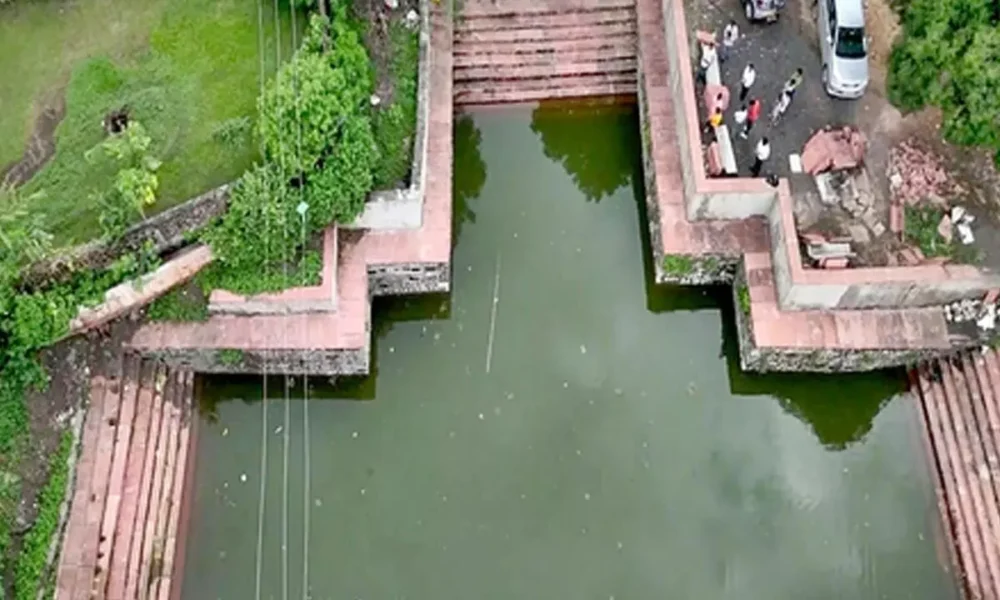
The rollout of the Narmada Phase IV project in Indore signals a renewed push to move urban water supply from intermittent distribution to a continuous, pressurised system. Backed by an outlay of over ₹1,300 crore, the project sits within the broader framework of AMRUT 2.0, which seeks to upgrade basic urban infrastructure across cities.
At its core, the plan aims to provide round-the-clock water supply to households, replacing the current model of scheduled distribution. Officials argue that a pressurised network, supported by SCADA-based monitoring and leak detection systems, can improve efficiency while reducing losses that have long plagued urban utilities.
Indore, often cited for its gains in sanitation and urban management, presents a test case for whether similar outcomes can be achieved in water services. Continuous supply systems demand not just infrastructure upgrades but also sustained operational discipline. Metering, billing efficiency and maintenance become critical once supply moves beyond fixed hours.
The challenge, however, lies in execution. Transitioning from intermittent to 24×7 supply involves extensive pipeline rehabilitation, zoning of distribution networks and minimising non-revenue water. Cities that have attempted similar shifts have faced delays tied to ground-level complexities, from ageing infrastructure to coordination across departments.
There is also the question of financial sustainability. While capital expenditure is supported under central schemes, long-term viability depends on user charges and cost recovery, areas where many urban local bodies continue to struggle.
For Indore, the project is an opportunity to extend its urban reform narrative into core infrastructure. Its success, or lack of it, will offer lessons for other cities attempting the same transition under AMRUT 2.0.



No Comment! Be the first one.