




Toll revision on Delhi–Meerut Expressway reflects steady shift to user-funded highways
A marginal increase in toll rates on the Delhi–Meerut Expressway has come into effect from April 1, in line with the annual revision mechanism followed by the National Highways Authority of India....

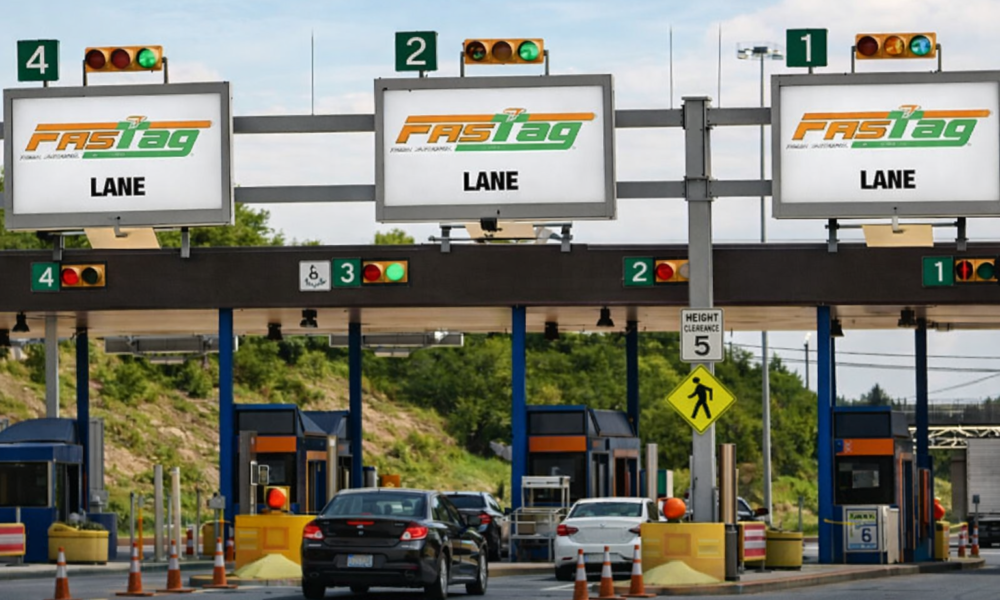
A marginal increase in toll rates on the Delhi–Meerut Expressway has come into effect from April 1, in line with the annual revision mechanism followed by the National Highways Authority of India. While the hike, estimated at around 5 per cent, may appear routine, it underscores a broader shift in how India is financing and managing its expanding road network.
The revision is part of a standard practice that links toll adjustments to inflation indices. For users, it translates into a slightly higher cost of commute. For highway authorities, it ensures a predictable revenue stream to support maintenance and debt servicing in an increasingly asset-heavy sector.
More significant than the hike itself is the continued push towards fully digital toll collection. The expressway now operates with compulsory FASTag and UPI-based payments, reinforcing the move away from cash transactions. This transition has helped reduce waiting times at toll plazas, even as it tightens compliance and tracking.
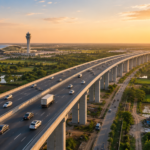
The Delhi–Meerut corridor has often been cited as a model for high-speed, access-controlled highways. Its efficiency, however, comes with a cost structure that is gradually aligning with global norms, where users bear a larger share of infrastructure expenses.
This raises familiar questions around affordability and equity. While improved connectivity delivers clear economic benefits, frequent users, particularly daily commuters, are more directly affected by incremental increases. The balance between quality infrastructure and reasonable user charges remains delicate.
For policymakers, the message is clear. As India continues to build highways at scale, the reliance on user-funded models will deepen. The success of this approach will depend not only on construction speed but also on maintaining public acceptance of the costs that come with it.



No Comment! Be the first one.