




Delhi Metro Prepares New Expansion Push as Phase 5B Corridors Enter Planning Stage
Urban Mobility Projects Gain Fresh Momentum Across Major Indian Cities The Delhi Metro Rail Corporation has begun preparations for a new set of expansion corridors under Phase 5B, signalling the next...

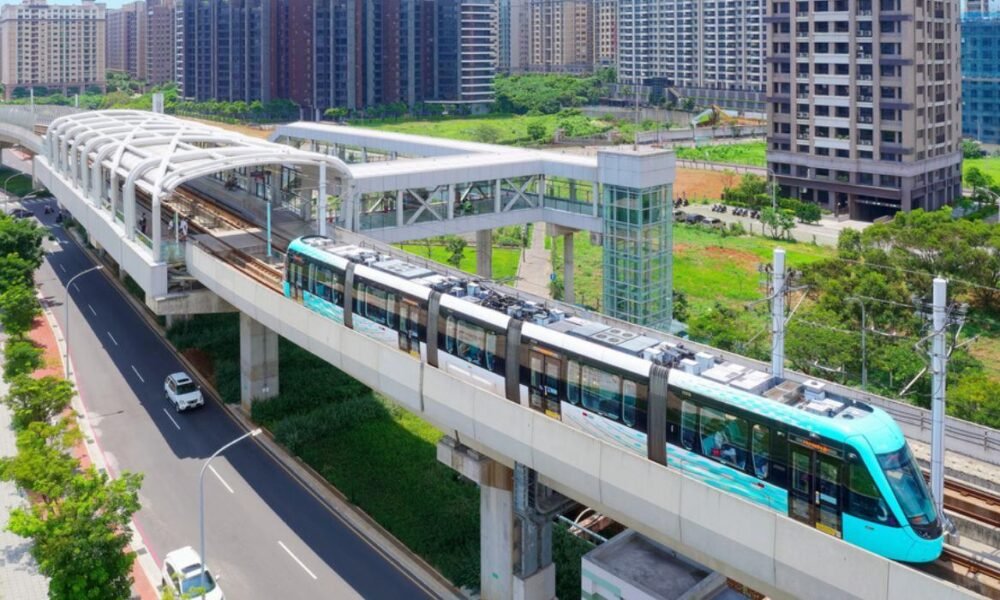
Urban Mobility Projects Gain Fresh Momentum Across Major Indian Cities
The Delhi Metro Rail Corporation has begun preparations for a new set of expansion corridors under Phase 5B, signalling the next stage of urban transport growth in the national capital region. The announcement was highlighted during the organisation’s 32nd Foundation Day celebrations this week.
Officials said work on existing Phase 4 and Phase 5A routes is progressing while planning activities for seven additional corridors under Phase 5B have started. The expansion is expected to further strengthen public transport connectivity across Delhi-NCR as passenger volumes continue to rise.
Metro rail networks have increasingly become central to India’s infrastructure strategy, particularly in densely populated urban centres facing traffic congestion and pollution concerns. According to government data, metro operations have now expanded across more than 25 Indian cities with additional projects under construction or awaiting approval.
Experts say the next phase of metro development will likely focus on faster execution, multimodal connectivity, energy-efficient systems, and integration with regional transport networks. Infrastructure planners are also placing greater emphasis on sustainability and digital monitoring technologies within new projects.
Debate Continues Over Spending Priorities in Large-Scale Infrastructure Expansion
The rapid expansion of urban infrastructure has also renewed debate over public spending priorities. Supporters argue that long-term investment in metro systems improves productivity, reduces fuel consumption, and strengthens economic growth in urban regions.
Critics, however, continue to question whether infrastructure investment remains concentrated in major metropolitan regions while smaller towns and semi-urban districts struggle with basic civic infrastructure such as roads, drainage systems, and public transport access.
Policy experts believe the coming years will test how effectively governments balance large-scale flagship projects with local infrastructure requirements across states. The debate is expected to intensify as infrastructure spending remains one of the central themes of India’s economic strategy.
Recent reports also indicate growing investment interest in rail modernisation, renewable energy corridors, logistics networks, and smart industrial infrastructure across multiple states. (Elets eGov)





No Comment! Be the first one.