



Mumbai Coastal Road Project Opens New Connectivity Corridor for Urban Mobility
Mumbai’s ambitious Coastal Road Project has emerged as one of the most significant urban infrastructure developments in the country, transforming how commuters move across the city. Designed to...

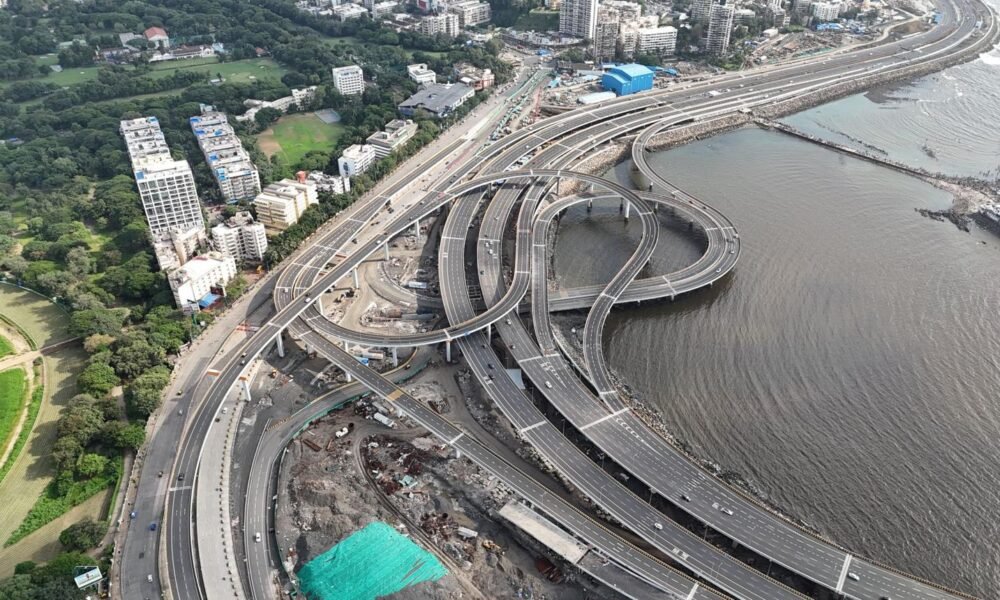
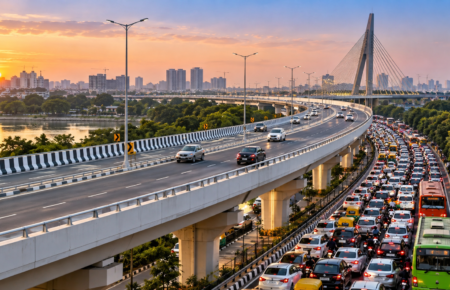
Mumbai’s ambitious Coastal Road Project has emerged as one of the most significant urban infrastructure developments in the country, transforming how commuters move across the city. Designed to reduce travel time and ease traffic congestion, the project is expected to play a crucial role in improving connectivity between key commercial and residential areas.
The Coastal Road Project forms part of Mumbai’s broader strategy to modernize transportation infrastructure and address long-standing mobility challenges. As one of India’s most densely populated cities, Mumbai faces substantial pressure on its road network, making large-scale transportation investments increasingly important for sustaining economic activity and improving quality of life.
Infrastructure planners believe the project will significantly enhance traffic flow by providing an alternative route for commuters traveling along the city’s western coastline. Reduced travel times can improve productivity, lower fuel consumption and contribute to a more efficient transportation ecosystem.
The development also highlights the growing importance of integrated urban planning. Modern infrastructure projects are increasingly designed to work alongside metro networks, public transportation systems and future mobility initiatives. Such coordination helps maximize long-term benefits while supporting sustainable urban growth.
Beyond transportation improvements, the project is expected to generate broader economic advantages. Improved connectivity often supports commercial development, real estate activity and investment opportunities in surrounding areas. Businesses benefit from enhanced accessibility, while residents gain from reduced commuting challenges.
Large-scale urban infrastructure projects also contribute to employment generation and economic activity during construction phases. Engineering firms, contractors and supporting industries play an important role in delivering projects of this magnitude.
However, experts emphasize that maintaining long-term efficiency will require continuous traffic management, infrastructure maintenance and integration with other transportation systems. Urban mobility challenges are complex and typically require multiple complementary solutions rather than reliance on a single project.
The Coastal Road Project reflects a wider trend of Indian cities investing heavily in transportation infrastructure to support future growth. As urban populations continue to expand, infrastructure capable of improving connectivity and reducing congestion will become increasingly important.
Industry observers note that successful implementation of major transportation projects can serve as a model for other metropolitan regions facing similar mobility challenges. Lessons learned from planning, execution and operational management can help guide future infrastructure initiatives across the country.
As Mumbai continues to strengthen its transportation network, the Coastal Road Project stands as a significant milestone in the city’s infrastructure development journey, demonstrating the role of strategic investments in shaping more connected and efficient urban environments.






No Comment! Be the first one.