




Ahmedabad Metro Phase 2A Gets Green Signal, Boosting Airport and Urban Connectivity
India’s urban transport infrastructure continues to move forward, with metro rail projects playing a major role in improving connectivity across growing cities. In a major development, the Union...

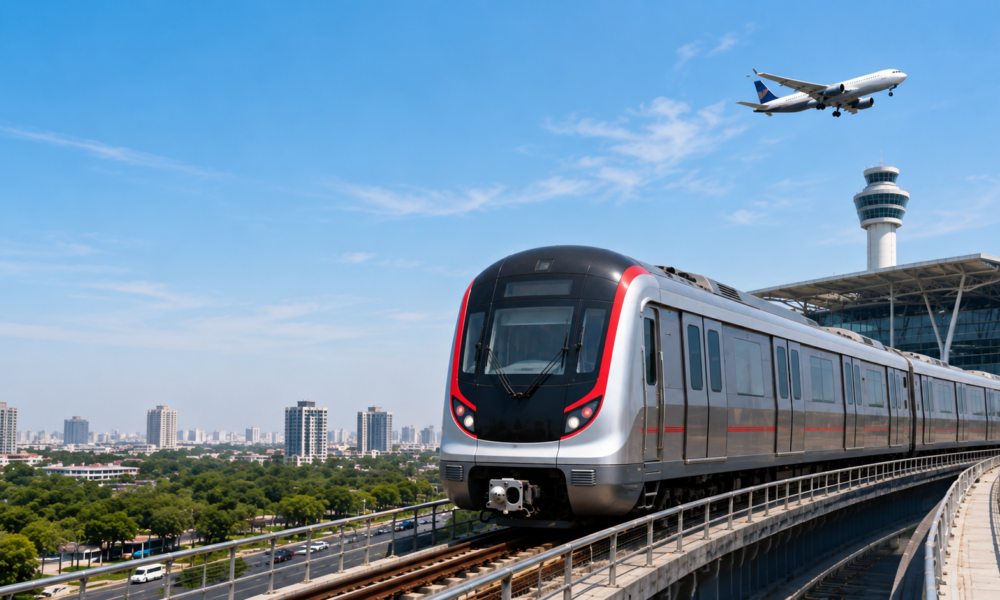
India’s urban transport infrastructure continues to move forward, with metro rail projects playing a major role in improving connectivity across growing cities. In a major development, the Union government has approved the Ahmedabad Metro Phase 2A project, giving a fresh push to public transport in Gujarat and strengthening links between key parts of the city and the airport.
The new metro corridor is expected to improve travel for daily commuters, reduce congestion on roads and support the city’s long-term urban expansion. As India focuses on building smarter and better-connected cities, metro rail projects like this are becoming an important part of the country’s infrastructure growth story.
The Ahmedabad Metro Phase 2A project will cover around 6 km and connect Ashram Road to the airport area. The project is designed to improve access to important commercial and residential zones while also making airport travel easier for passengers. Better airport connectivity is becoming a major priority for Indian cities, especially as business travel, tourism and urban population continue to rise.
The metro expansion is expected to bring several benefits. For commuters, it can cut travel time and provide a more reliable transport option compared to road travel. For the city, it can reduce traffic pressure, lower fuel use and support cleaner mobility. It can also encourage development around metro stations, creating opportunities for real estate, retail and business activity in nearby areas.
Ahmedabad has already seen rapid growth in recent years, and infrastructure development has become central to managing this expansion. Metro rail, roads, airports and urban services are all being strengthened to meet rising demand. The approval of Phase 2A shows how transport infrastructure is being planned not just for today’s needs but also for future growth.
The project also reflects a wider national trend. Across India, governments are investing heavily in metro systems to improve urban mobility. Cities such as Delhi, Mumbai, Lucknow, Pune and Bengaluru have all expanded metro networks in recent years, while newer projects are being taken up in several other urban centres. These systems are helping reduce pressure on roads and offering a faster, more efficient mode of transport for millions of people.
Airport-linked metro projects are especially important because they create seamless travel between city centres and aviation hubs. As airports handle more passengers every year, strong last-mile and mass transit connections become essential. A metro line to the airport can make travel more convenient for residents, business travellers and tourists while also improving the city’s overall transport network.
Infrastructure experts believe projects like Ahmedabad Metro Phase 2A can create value beyond transport. Metro systems often act as growth corridors, attracting commercial development, improving access to jobs and supporting more balanced urban expansion. In the long run, such projects can help cities become more liveable, more sustainable and more productive.
The approval of the Ahmedabad Metro Phase 2A project is therefore more than just a transport update. It is another sign of India’s broader push to build efficient, future-ready urban infrastructure. With metro expansion, airport connectivity and better mobility planning taking centre stage, cities are laying the groundwork for faster economic growth and improved quality of life.
As infrastructure investment continues across the country, projects like this show how public transport can become a key driver of urban transformation in India.




No Comment! Be the first one.