






UPMRC awards ₹384 crore contract for Lucknow Metro East-West Corridor
Lucknow’s metro expansion has taken a major step forward, with the Uttar Pradesh Metro Rail Corporation awarding a civil construction contract worth about ₹384 crore for a key elevated section of the...

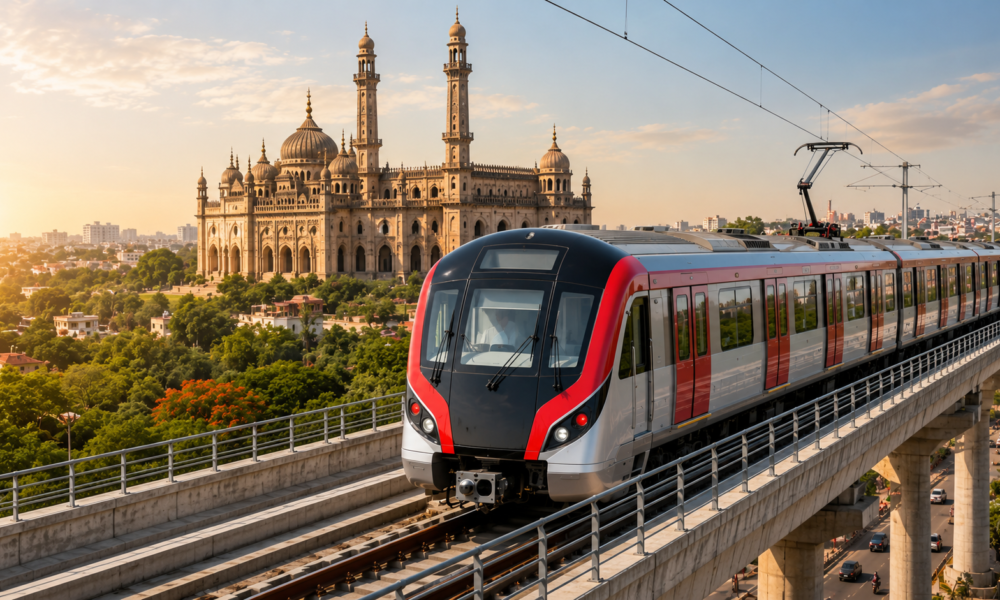
Lucknow’s metro expansion has taken a major step forward, with the Uttar Pradesh Metro Rail Corporation awarding a civil construction contract worth about ₹384 crore for a key elevated section of the Lucknow Metro East-West Corridor under Phase 1B of the project. The contract has been awarded to Ranjit Buildcon Ltd, a Gujarat-based infrastructure firm, and covers the design and construction of a major stretch between Thakurganj and Vasantkunj, pushing the city’s second metro corridor closer to on-ground execution.
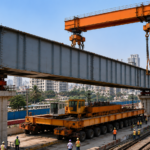
The awarded package includes the construction of an approximately 4.6-km elevated metro viaduct, along with five elevated stations on the corridor. The stations planned under this package are Thakurganj, Balaganj, Sarfarazganj, Musabagh and Vasantkunj. In addition, the contract includes a 740-metre ramp linking the main viaduct to the depot’s entry and exit facilities. Beyond the core civil works, the scope also covers architectural works, pre-engineered building structures, water supply and drainage systems, sanitary installations, fire-fighting systems, electrical and mechanical works, and external development works. According to project details cited in reports, the work is expected to be completed within 24 months from the date of commencement.
The East-West Corridor is a crucial part of Lucknow Metro’s next growth phase and is expected to strengthen connectivity across densely populated areas of the city, particularly through parts of Old Lucknow. The broader Lucknow Metro Phase 1B Line-2 project is designed as an 11.165-km corridor connecting Charbagh Railway Station to Vasant Kunj with a total of 12 stations. Of this, the stretch between Vasant Kunj and Thakurganj is planned as an elevated section, while the remaining route toward Charbagh and the older city core will run underground. The project had received central approval in 2025 with an estimated investment of around ₹5,801 crore, making it one of the most important urban mobility projects currently under implementation in Uttar Pradesh.
The latest contract award is significant because it marks the transition of the East-West Corridor from planning and consultancy stages to physical construction. Earlier this year, UPMRC had awarded the corridor’s detailed design consultancy package, and more recently it also awarded a separate contract worth over ₹127 crore for the Vasantkunj metro depot, which will support operations, train stabling, inspection and maintenance for the corridor. Together, these developments indicate that the East-West line is moving into a more active construction phase, with civil works, depot infrastructure and systems planning advancing in parallel.
For Lucknow, the East-West Corridor is more than just another metro extension. It is expected to improve cross-city mobility, provide faster public transport access to residential and commercial zones, and reduce pressure on road-based travel in a city where congestion has steadily increased alongside urban growth. By connecting key neighbourhoods and linking with larger transport nodes such as Charbagh, the corridor is also expected to support better multimodal movement for daily commuters. In the longer term, the project fits into the broader pattern of metro-led urban infrastructure expansion in Indian cities, where rapid transit is being positioned not only as a transport solution but also as a tool for shaping more efficient, sustainable and connected urban development.
With the ₹384 crore contract now awarded, Lucknow Metro’s East-West expansion has crossed an important milestone. The coming months will be watched closely for the pace of construction, station development and systems work, all of which will determine how quickly the corridor can move from blueprint to commuter service.





No Comment! Be the first one.