








Galathea Bay mega port project to break ground in 2028, says Union Minister
India is set to begin construction of the proposed International Container Transshipment Port (ICTP) at Galathea Bay in the Andaman and Nicobar Islands in 2028, marking a major step in the...

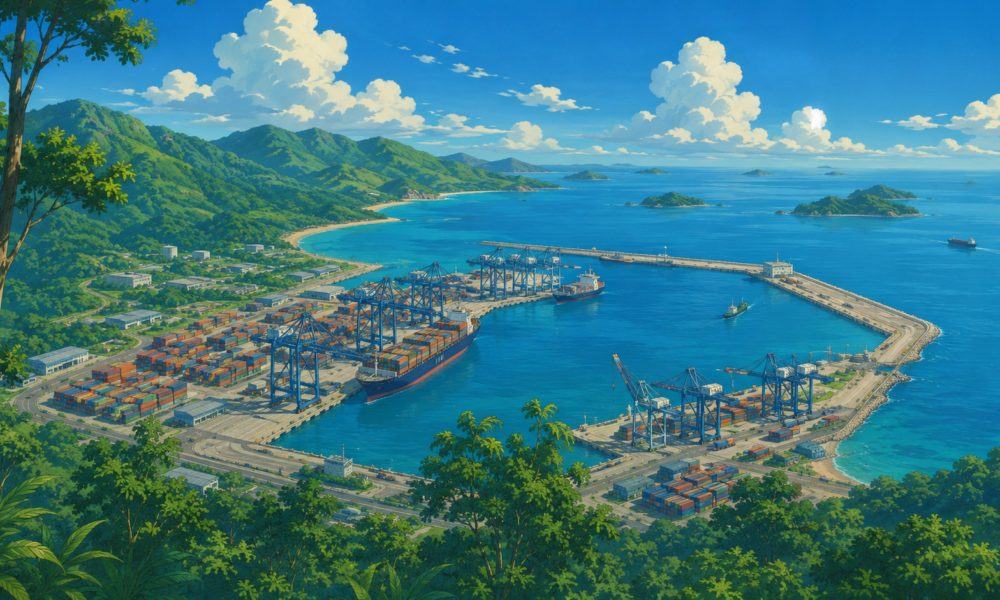
India is set to begin construction of the proposed International Container Transshipment Port (ICTP) at Galathea Bay in the Andaman and Nicobar Islands in 2028, marking a major step in the country’s efforts to strengthen its maritime infrastructure and reduce reliance on foreign ports. Union Minister for Ports, Shipping and Waterways Sarbananda Sonowal announced the timeline during a media interaction, stating that groundwork for the strategically significant project is moving ahead after the required approvals.
The Galathea Bay port forms the centrepiece of the wider Great Nicobar Island Development Project, one of India’s largest long-term infrastructure programmes. Once completed, the deep-water facility is expected to serve as an international container transshipment hub, enabling cargo to be transferred between large and smaller vessels before reaching its final destination. This is expected to improve the efficiency of India’s maritime logistics network while supporting international trade.
At present, a significant share of India’s transshipment cargo is handled at overseas ports such as Colombo, Singapore and Port Klang. The government believes that establishing a world-class transshipment port within the country will help retain cargo that currently moves through these foreign hubs, lowering logistics costs and reducing shipping time for exporters and importers.
The proposed port enjoys a strategic location on Great Nicobar Island, close to the Malacca Strait, one of the busiest maritime trade routes in the world. Thousands of cargo vessels travelling between Asia, Europe, the Middle East and Africa pass through these waters every year. Officials believe this geographical advantage will position Galathea Bay as a key gateway for international shipping and strengthen India’s role in global maritime trade.
The project is estimated to cost around Rs 48,862 crore and will be developed in phases. The first phase is expected to provide an annual handling capacity of around four million twenty-foot equivalent units (TEUs), with future expansion planned to increase total capacity to around 16 million TEUs. The development will include deep-water berths, breakwaters, navigation channels, container yards, cargo handling equipment and supporting infrastructure.
Speaking about the project, Sonowal said discussions with residents of the islands indicated optimism about the economic opportunities the development could bring. Besides improving maritime connectivity, the project is expected to generate employment during construction and operation while attracting investment in logistics, warehousing, shipping services and related industries.
The port project is also expected to play an important role in India’s wider infrastructure strategy by improving supply chain resilience and supporting the country’s ambitions to become a global logistics hub. It complements ongoing investments in ports, highways, railways and multimodal transport networks aimed at reducing logistics costs and increasing trade competitiveness.
Despite its economic and strategic importance, the project has attracted scrutiny over its environmental impact because Great Nicobar Island is home to ecologically sensitive forests, coral reefs and wildlife habitats. The government has maintained that the necessary environmental and regulatory clearances have been secured and that the project will proceed in compliance with prescribed safeguards and mitigation measures.
With construction expected to begin in 2028, the Galathea Bay International Container Transshipment Port is poised to become one of India’s most significant maritime infrastructure projects. If delivered as planned, it could reshape the country’s shipping landscape by creating a modern transshipment hub capable of handling large volumes of international container traffic while enhancing India’s strategic presence in the Indo-Pacific region.






No Comment! Be the first one.