





India’s Luxury Real Estate Boom: How Branded Residences Are Turning Homes Into Lifestyle Brands
Luxury real estate in India is changing quickly as the market becomes more competitive. Buyers are now looking for more than large homes and premium locations. Design, privacy, services, brand...

Luxury real estate in India is changing quickly as the market becomes more competitive. Buyers are now looking for more than large homes and premium locations. Design, privacy, services, brand reputation and long-term value are becoming increasingly important considerations.
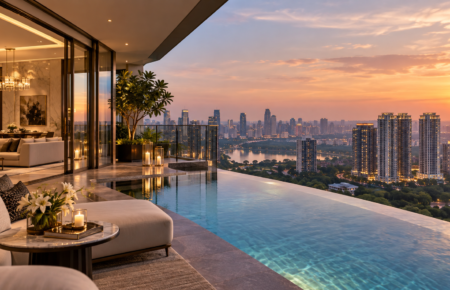
Branded residences are being used by developers to make their projects stand out. These are luxury homes connected to a recognised design, hospitality or lifestyle brand. The brand becomes part of the property, meaning buyers are not simply purchasing a home. They are also buying into a particular lifestyle and experience.
What Are Buyers Looking For?
Luxury buyers are increasingly interested in exclusivity and privacy. Internationally recognised brands can make a property more distinctive, while curated services can improve the everyday living experience. The limited availability of homes can also create a sense of scarcity, making the property appear more exclusive.
For some buyers, branded residences can also be viewed as long-term premium assets, particularly when the project combines a strong location with distinctive design, high-quality services and an established brand identity.
Why Are Developers Turning To Branded Residences?
Developers are increasingly using established brands because branded residences can help their projects stand out from the competition. A recognised brand can add credibility and strengthen the property’s identity.
This allows developers to position their projects as lifestyle products rather than simply another luxury apartment development. The strategy can also support premium pricing and attract high-net-worth individuals who are looking for a combination of property, design and services.
Gurugram is emerging as an important market for premium residential developments and offers an example of this trend. The Falcon on Golf Course Road is being developed by Dalcore in collaboration with YOO inspired by Starck. The project will feature 96 homes, with its limited inventory forming part of its exclusive positioning.
The Changing Definition Of Luxury
Earlier luxury residential projects were heavily focused on size, location and the use of expensive materials. The definition of luxury is now becoming broader.
Buyers are increasingly interested in design, brand credibility, privacy and personalised experiences. As a result, luxury real estate is becoming increasingly connected to the experience economy, where the value of a property is shaped not only by its physical features but also by the experience it provides.
Services Are Becoming A Key Part Of The Experience
Services also play a major role in the branded residence model. These properties can offer much more than architecture and traditional amenities.
However, developers and operators need to maintain the quality and standards associated with the brand even after the property has been sold. The actual resident experience needs to match the expectations created by the brand.
If the services, maintenance or overall experience fail to meet those expectations, the brand association may lose some of its value. This makes consistent service delivery an important part of the long-term success of branded residences.
Scarcity Adds To The Appeal
Scarcity also plays an important role in creating exclusivity. Limited inventory can make luxury projects feel more private and distinctive. Developers can use this scarcity as part of the project’s identity.
Instead of competing only on size, specifications and amenities, projects can compete on uniqueness, design and experience. The Falcon’s limited inventory of 96 homes is an example of how restricted availability can support an exclusive positioning.
Luxury Brands See New Opportunities In Real Estate
The growth of branded residences also creates opportunities for international design, hospitality and lifestyle brands looking to enter India’s growing luxury market.
Real estate provides these brands with another way to connect with wealthy consumers. Their presence can extend beyond hotels and traditional luxury products and become part of consumers’ everyday lifestyles.
This represents a broader shift in the luxury industry, where brands are increasingly becoming associated with experiences rather than individual products.
The Future Of Branded Residences In India
India’s luxury housing market is moving towards experience-led living. Developers are increasingly selling more than physical homes. They are also creating properties built around a specific brand identity, design philosophy and lifestyle experience.
The long-term success of branded residences will depend on whether the brand genuinely improves the property’s design, services, everyday experience and perceived value. If these elements work together effectively, branded residences could become an increasingly important segment of India’s luxury real estate market.





No Comment! Be the first one.