






Asia’s First Hydrogen-Powered Train Set to Boost India’s Green Rail Infrastructure
India’s railway network is preparing for a significant milestone in sustainable transport as Asia’s first hydrogen-powered train is scheduled to be flagged off from Jind in Haryana on 17...

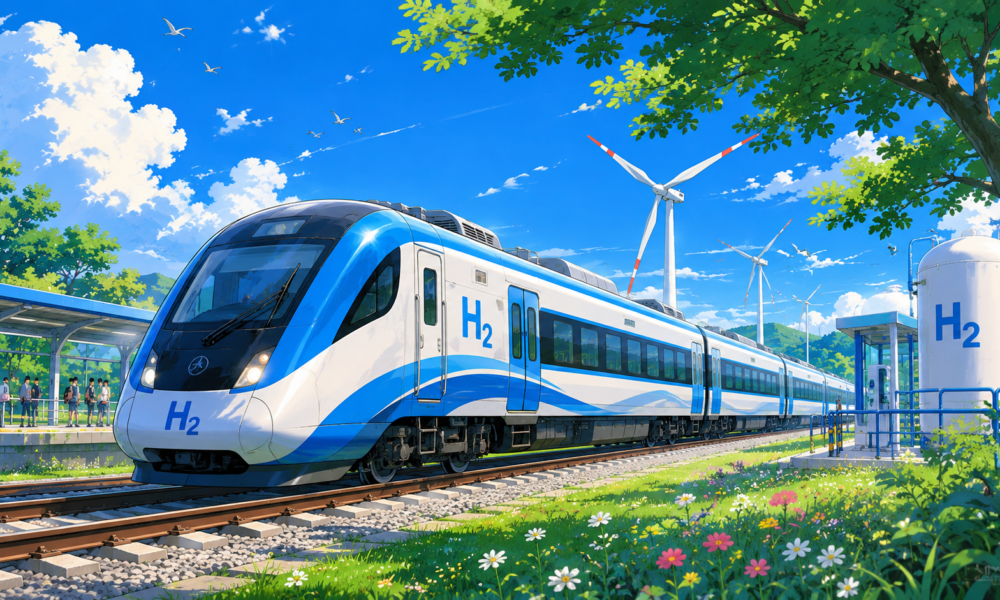
India’s railway network is preparing for a significant milestone in sustainable transport as Asia’s first hydrogen-powered train is scheduled to be flagged off from Jind in Haryana on 17 July. The project represents an important step in the country’s transition towards cleaner mobility and demonstrates how innovation is becoming an integral part of modern infrastructure development.
The hydrogen train has been developed as part of Indian Railways’ broader strategy to reduce carbon emissions while improving the efficiency of rail transport. Unlike conventional diesel locomotives, hydrogen-powered trains generate electricity through fuel cells, producing only water vapour as a by-product. This makes them an attractive solution for routes where full electrification may not yet be practical.
The introduction of hydrogen technology reflects a wider shift in India’s infrastructure priorities. While investment in highways, airports and metro systems continues, increasing attention is being given to sustainable transport solutions that can support long-term environmental goals. Hydrogen-powered rail has already gained traction in several European countries, and India is now positioning itself among the early adopters in Asia.
Beyond environmental benefits, the project is expected to strengthen India’s capabilities in clean energy technologies. Hydrogen production, storage, fuel cell manufacturing and specialised maintenance systems create opportunities for new industries while encouraging research and innovation. Infrastructure development linked to hydrogen mobility could also generate employment across engineering, manufacturing and energy sectors.
Railways remain one of India’s most important transport assets, carrying millions of passengers and substantial freight volumes every day. Introducing cleaner propulsion technologies supports the long-term modernisation of the network while reducing dependence on fossil fuels. As energy security becomes an increasingly important policy objective, hydrogen offers another pathway towards building a more resilient transport ecosystem.
The launch also complements the National Green Hydrogen Mission, which aims to establish India as a global hub for hydrogen production and utilisation. Transport is expected to become one of the largest beneficiaries of this emerging ecosystem, alongside heavy industries such as steel, fertilisers and refining. Investments in hydrogen infrastructure today could lay the foundation for wider adoption across multiple sectors over the coming decade.
From an infrastructure perspective, hydrogen trains require more than new rolling stock. Dedicated refuelling stations, storage facilities, safety systems and specialised maintenance depots form an entirely new support network. Developing this ecosystem can accelerate investment in advanced rail infrastructure while encouraging collaboration between public agencies, technology providers and energy companies.
Industry observers believe hydrogen-powered mobility will complement electrified railway corridors rather than replace them. Together, these technologies can help create a more sustainable transport network capable of supporting India’s growing economy while reducing environmental impact. The experience gained from this pilot project may also guide future deployment on regional and non-electrified routes across the country.
For India’s infrastructure sector, the hydrogen train represents more than a technological achievement. It highlights how transport projects are increasingly being designed around sustainability, innovation and energy efficiency. As the country continues investing in modern rail systems, green technologies are likely to become an increasingly important component of future infrastructure planning.
With the first hydrogen-powered train preparing to enter service, India is taking another step towards building a cleaner, smarter and more resilient railway network. The project reinforces the country’s ambition to combine infrastructure growth with environmental responsibility while embracing technologies that can shape the future of transportation.





No Comment! Be the first one.