








India’s AI data centre boom could reshape infrastructure investment over the next five years
India’s data centre industry is preparing for its next phase of growth as rising demand for artificial intelligence (AI), cloud computing and digital services drives fresh infrastructure...

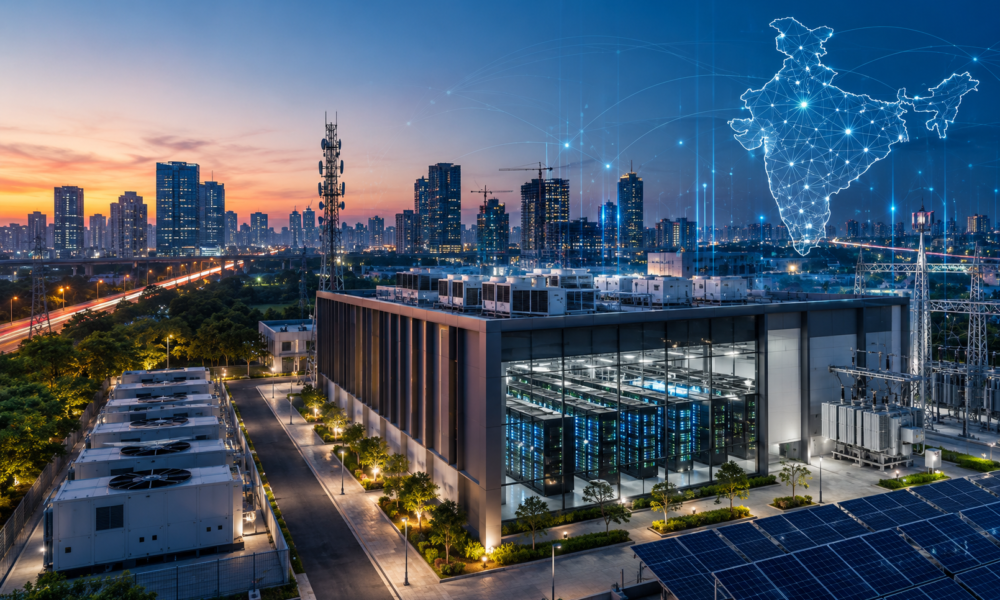
India’s data centre industry is preparing for its next phase of growth as rising demand for artificial intelligence (AI), cloud computing and digital services drives fresh infrastructure investments across the country.
According to Brookfield Asset Management, around 6.5 gigawatts (GW) of AI-focused data centre capacity is expected to come online in India over the next five years. The projection highlights the country’s growing role as a preferred destination for digital infrastructure, supported by increasing enterprise demand, government initiatives and expanding technology investments.
The announcement comes as technology companies continue to invest heavily in AI infrastructure. Recently, HCLTech announced an investment of ₹14,257 crore to establish its first AI data centre in Bhubaneswar, Odisha, along with a new technology campus that will accommodate 5,000 employees. The project reflects a wider trend of Indian technology companies investing in digital infrastructure to support AI and cloud services.
Industry experts believe data centres are becoming as important as roads, airports and industrial parks because they provide the computing power needed for AI applications, cloud platforms and digital businesses. As businesses generate larger volumes of data, demand for secure, reliable and energy-efficient facilities continues to rise.
India offers several advantages for data centre development. A large internet user base, growing digital adoption, lower operating costs compared with several global markets, and improving connectivity are encouraging domestic and international investors to expand their presence. Government support for digital infrastructure and rapid adoption of AI across industries are also creating favourable conditions for long-term investment.
The growth of AI data centres is expected to benefit several sectors beyond technology. Real estate developers are increasingly exploring opportunities to build specialised data centre parks, while demand for reliable power supply, renewable energy, fibre connectivity and advanced cooling systems is expected to increase. Construction companies, engineering firms and equipment manufacturers could also benefit from the growing pipeline of projects.
Several cities are emerging as preferred destinations because of land availability, strong power infrastructure and proximity to enterprise customers. Locations such as Mumbai, Chennai, Hyderabad, Bengaluru, Noida and Pune have already established themselves as major data centre markets, while newer cities are also attracting investment.
The expansion is likely to create employment opportunities across construction, engineering, facility management, electrical systems, cybersecurity and IT operations. As more facilities become operational, demand for skilled professionals in AI infrastructure, cloud services and digital operations is also expected to increase.
At the same time, the industry faces important challenges. Data centres require uninterrupted electricity, high-speed connectivity and sustainable cooling solutions. Developers are increasingly focusing on renewable energy integration, efficient water management and green building standards to reduce operating costs and improve environmental performance.
The next five years could mark a significant shift in India’s digital infrastructure landscape. As AI adoption accelerates across industries, investments in data centres are expected to become a key driver of commercial real estate, infrastructure development and technology-led economic growth. For investors, developers and policymakers, AI infrastructure is no longer just a technology opportunity. It is becoming an essential part of India’s future infrastructure ecosystem.









No Comment! Be the first one.