







Nitin Gadkari Pushes for Faster Delivery of Multi Modal Logistics Parks to Boost India’s Transport Network
India is stepping up efforts to strengthen its transport and logistics network, with Union Road Transport and Highways Minister Nitin Gadkari directing officials to speed up the development of key...

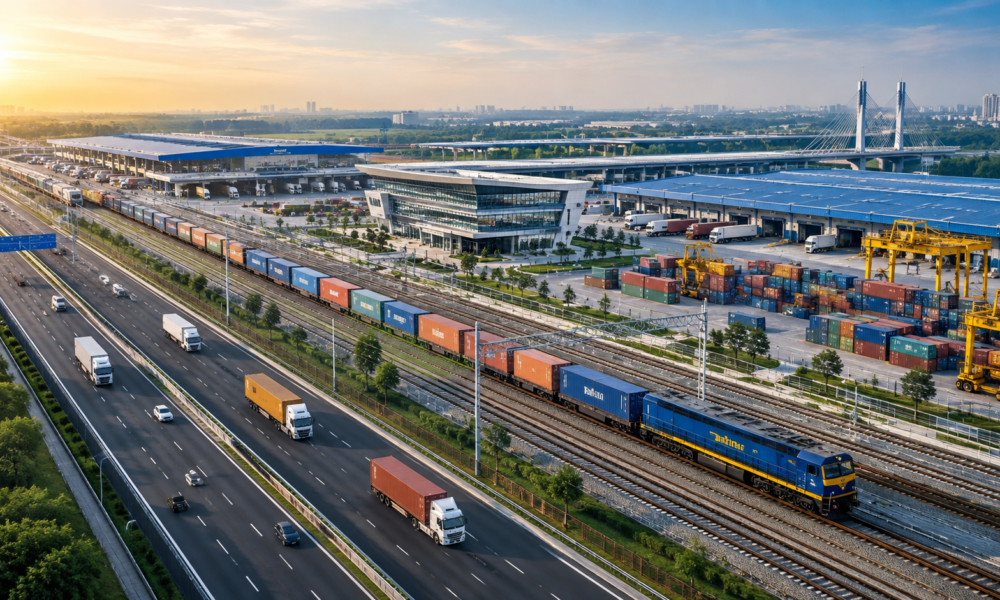
India is stepping up efforts to strengthen its transport and logistics network, with Union Road Transport and Highways Minister Nitin Gadkari directing officials to speed up the development of key multimodal infrastructure projects across the country. The move comes as the government looks to improve freight movement, reduce logistics costs and create a more integrated transport ecosystem.
During a review meeting of the National Highways Logistics Management Limited (NHLML), Gadkari assessed the progress of several major projects, including Multi Modal Logistics Parks (MMLPs), ropeways, intermodal stations and wayside amenities. He asked stakeholders to resolve implementation bottlenecks quickly so that projects are completed on schedule.
Multi Modal Logistics Parks are designed to bring together different modes of transport, including road, rail and ports, within a single logistics hub. Instead of goods being transferred through multiple disconnected facilities, these parks aim to provide seamless cargo handling, warehousing and distribution. This can significantly improve supply chain efficiency while reducing transportation time and costs.
According to the Ministry of Road Transport and Highways, these projects are central to building a future ready transport system that supports economic growth and regional development. Better logistics infrastructure is expected to improve freight movement for manufacturers, exporters and retailers while making Indian businesses more competitive in global markets.
India has invested heavily in highways, dedicated freight corridors, ports and industrial corridors over the past decade. However, experts believe the next phase of infrastructure growth depends on better integration between these assets. Logistics parks can bridge that gap by connecting different transport networks through modern facilities equipped with storage, cargo handling and value added services.
The government also believes these projects will encourage private investment in logistics and warehousing. As industrial production and e commerce continue to expand, demand for efficient cargo movement has increased across the country. Modern logistics hubs can help businesses shorten delivery timelines, improve inventory management and reduce operating expenses.
Alongside logistics parks, the review covered ropeway projects, intermodal stations and upgraded wayside amenities. Ropeways are expected to improve connectivity in hilly regions while reducing road congestion. Intermodal stations are being planned to provide smoother passenger movement by linking multiple transport systems. Improved wayside amenities are aimed at enhancing safety and comfort for highway users.
Industry observers say India’s logistics sector is entering a period of rapid transformation. Better planning, stronger connectivity and digital technologies are helping create a more efficient freight ecosystem. Timely completion of these projects could reduce logistics costs, improve supply chain resilience and strengthen the country’s manufacturing ambitions.
For the infrastructure sector, the renewed focus on multimodal connectivity reflects a broader strategy to develop transport assets that work together rather than in isolation. As new logistics parks and transport facilities become operational, businesses across manufacturing, retail, agriculture and exports are expected to benefit from faster, more reliable movement of goods.
The government’s latest review signals that execution will remain a priority as India works towards building a transport network capable of supporting long term economic growth and improving the country’s logistics competitiveness.






No Comment! Be the first one.