








Centre Approves ₹797 Crore Green Hydrogen Jetty at Paradip Port to Boost Clean Energy Logistics
India has taken another step towards building its green energy infrastructure with the approval of a ₹797 crore green hydrogen jetty at Paradip Port in Odisha. The project, approved by the Ministry...

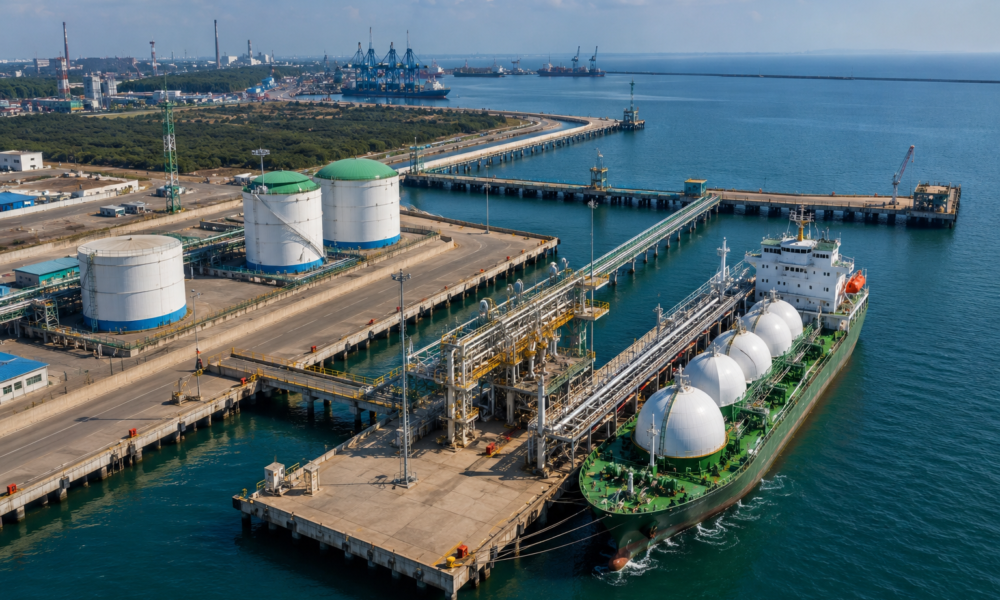
India has taken another step towards building its green energy infrastructure with the approval of a ₹797 crore green hydrogen jetty at Paradip Port in Odisha. The project, approved by the Ministry of Ports, Shipping and Waterways, is expected to strengthen the country’s clean energy supply chain and support the National Green Hydrogen Mission.
The dedicated jetty will be developed by Paradip Port Authority on a build-operate-transfer (BOT) basis. Once completed, it will have the capacity to handle 4 million tonnes of green hydrogen, green ammonia and other liquid cargo every year, making it one of India’s key facilities for clean energy exports.
The project will include specialised infrastructure such as a dedicated jetty, storage tanks, pipelines, cargo handling systems and safety equipment. A dredged depth of 14.3 metres will allow large vessels to safely load and unload liquid cargo. Construction is expected to be completed within 24 months.
The Central Government will provide 80% of the project cost, while Paradip Port Authority will contribute the remaining 20% during the construction phase. Officials believe the investment will improve India’s ability to transport green fuels efficiently while supporting future exports to international markets.
The project is closely linked to India’s National Green Hydrogen Mission, which aims to position the country as a global producer and exporter of clean hydrogen. Green hydrogen is produced using renewable energy and is expected to play an important role in reducing carbon emissions from industries such as steel, fertilisers, shipping and heavy transport.
Paradip Port has already been identified as one of India’s Green Hydrogen Hubs. The new jetty is expected to attract investments in hydrogen production, storage and transport while encouraging industries to set up manufacturing facilities near the port. This could create new business opportunities, improve logistics and generate employment across the region.
The facility will also be capable of handling other liquid cargo during the early stages of green hydrogen development. This approach is expected to improve the utilisation of the infrastructure while the green hydrogen market continues to expand.
India is steadily investing in cleaner ports through initiatives such as renewable energy, electric port equipment, zero-emission vehicles and shore power facilities. The Paradip project adds another important piece to the country’s wider effort to modernise maritime infrastructure while supporting sustainable industrial growth.
For the infrastructure sector, the project highlights how ports are evolving beyond cargo handling into clean energy hubs. As demand for green fuels increases globally, specialised port infrastructure will become an important factor in attracting investment, supporting exports and strengthening India’s position in the global energy transition.









No Comment! Be the first one.