








Data centres attract 40% of institutional investments as AI drives India’s digital infrastructure boom
India’s data centre sector has emerged as one of the country’s fastest growing infrastructure segments after attracting nearly 40% of institutional capital during the June quarter of...

India’s data centre sector has emerged as one of the country’s fastest growing infrastructure segments after attracting nearly 40% of institutional capital during the June quarter of 2026. The surge reflects growing confidence among investors that digital infrastructure will play a central role in India’s economic growth over the coming decade.
Industry experts say the sharp rise in investment is being driven by three major factors. The first is the rapid adoption of artificial intelligence across businesses. The second is the continued expansion of cloud computing services. The third is the increasing need for data localisation, which requires companies to store and process more data within India. Together, these trends are creating strong demand for modern, high capacity data centres.
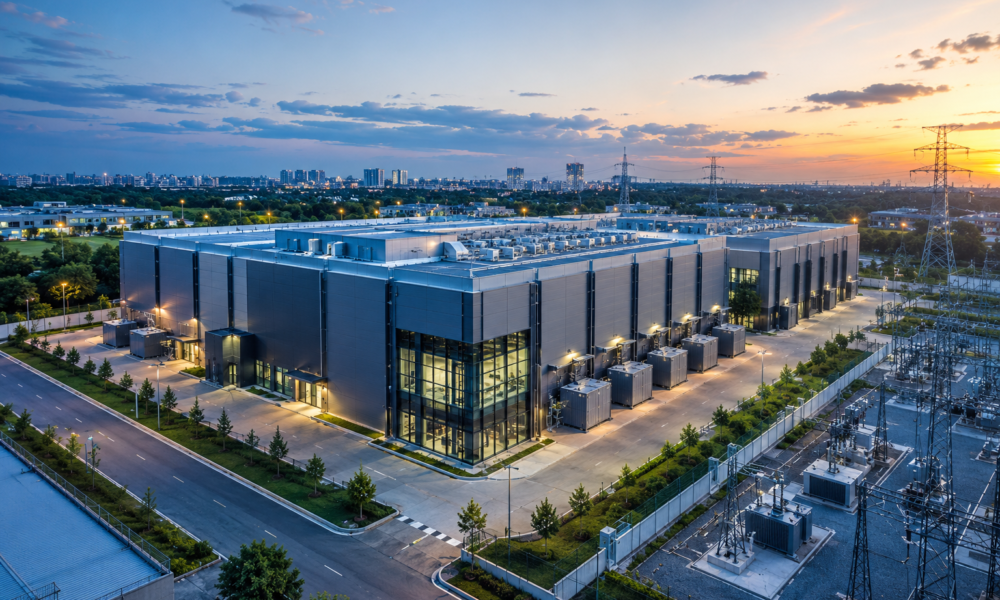
Unlike traditional commercial real estate, data centres require specialised infrastructure including reliable electricity, advanced cooling systems, fibre connectivity and high security. As demand for digital services grows, investors are viewing these facilities as long term assets capable of generating stable returns while supporting India’s digital economy.
The sector’s expansion is also creating fresh opportunities for infrastructure developers. Large campuses require substantial investment in power transmission, substations, roads and water management systems. According to the Ministry of Power, electricity demand from data centres is expected to increase sharply over the next decade. To prepare for this growth, the ministry and the Central Electricity Authority are reviewing transmission connectivity and power infrastructure with state utilities and industry stakeholders.
Reports indicate that India’s operational data centre capacity has already grown from around 375 MW in 2020 to nearly 1.6 GW. The development pipeline now exceeds 8 GW, highlighting the scale of infrastructure required to support future demand. Major technology companies and digital service providers continue to announce new investments across different states, strengthening India’s position as a regional digital hub.
The growing importance of data centres is also changing the country’s real estate landscape. Cities such as Mumbai, Chennai, Hyderabad, Bengaluru, Noida and Pune are witnessing increasing demand for land suited to large digital campuses. Developers are working closely with power utilities and telecom providers to ensure projects have uninterrupted electricity supply and high speed connectivity.
For the infrastructure sector, the rise of data centres represents more than a technology story. Every new facility generates demand for construction, electrical engineering, renewable energy integration, industrial equipment and logistics. This creates business opportunities across multiple industries while supporting employment and economic activity.
As India continues its digital transformation, data centres are expected to become a core part of national infrastructure alongside roads, airports, ports and railways. With institutional investors increasing their exposure to the sector and governments strengthening supporting infrastructure, digital assets are likely to remain one of the country’s strongest long term investment themes.









No Comment! Be the first one.