







Noida Metro Extension Gets PIB Approval, Bringing Greater Noida West Closer to Delhi NCR
The proposed Metro extension connecting Noida Sector 61 and Greater Noida West Sector 4 has moved a step closer to becoming reality after receiving approval from the Public Investment Board (PIB)....

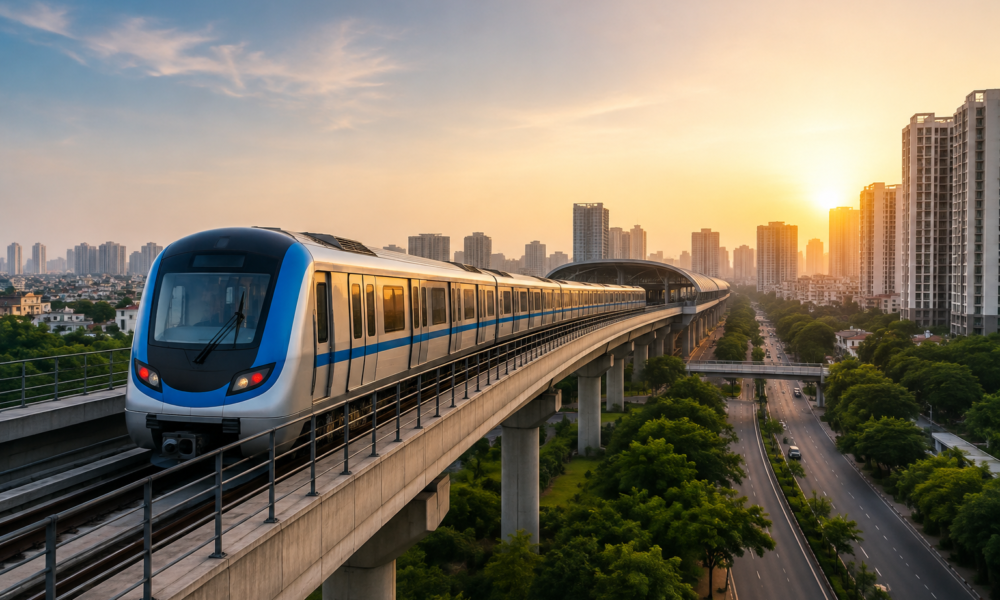
The proposed Metro extension connecting Noida Sector 61 and Greater Noida West Sector 4 has moved a step closer to becoming reality after receiving approval from the Public Investment Board (PIB). The project is expected to improve daily travel for thousands of residents and strengthen connectivity between Noida, Greater Noida West and other parts of Delhi NCR.
The planned Metro corridor will start from Sector 61 and pass through key residential and commercial areas including Sectors 70, 122 and 123 before reaching Greater Noida West Sector 4. Once completed, the route will provide an important public transport link for one of the fastest-growing residential regions in the National Capital Region.
Greater Noida West, also known as Noida Extension, has witnessed rapid residential development over the past decade. Thousands of families have shifted to the area because of relatively affordable housing and the availability of large residential projects. However, public transport options have not expanded at the same pace, forcing many commuters to depend on private vehicles, shared cabs and buses for their daily journeys.
The Metro extension is expected to reduce travel time for office-goers, students and residents travelling between Greater Noida West and Noida. It will also provide easier access to the Blue Line Metro network through Sector 61, allowing passengers to travel towards Delhi and other parts of NCR with fewer transport changes.
The project is also likely to support commercial growth along the proposed corridor. Improved Metro connectivity generally encourages new retail developments, office spaces and mixed-use projects around stations. Better transport infrastructure also increases the attractiveness of nearby residential areas for homebuyers and investors looking for long-term value.
For the real estate sector, this development could become another important growth driver for Greater Noida West. Industry experts have often pointed out that strong transport infrastructure plays a major role in property demand and price appreciation. As Metro connectivity expands, developers may witness higher interest from both end-users and investors seeking better connectivity to employment hubs across Noida and Delhi.
Apart from reducing traffic congestion, the Metro extension is expected to support cleaner urban mobility by encouraging more people to shift from private vehicles to public transport. This could help lower road congestion and reduce vehicle emissions over time, contributing to more sustainable urban development across the region.
Although the project has received PIB approval, it must complete the remaining government approval process before construction begins. Once all necessary clearances are in place, work on the corridor is expected to move forward in phases.
As Delhi NCR continues to expand, transport infrastructure remains one of the biggest factors shaping the future of its cities. The proposed Noida Sector 61 to Greater Noida West Metro corridor reflects the growing need for integrated public transport systems that support both residential growth and economic development. For thousands of commuters, the project promises a faster, more convenient and more reliable way to travel in the years ahead.







No Comment! Be the first one.