







Google’s ₹1.3 Lakh Crore Vizag Data Centre Faces Water and Wildlife Concerns
Google’s massive AI data centre project in Visakhapatnam, Andhra Pradesh, is moving ahead with construction, but concerns over water supply and the environment are now becoming a major part of the...

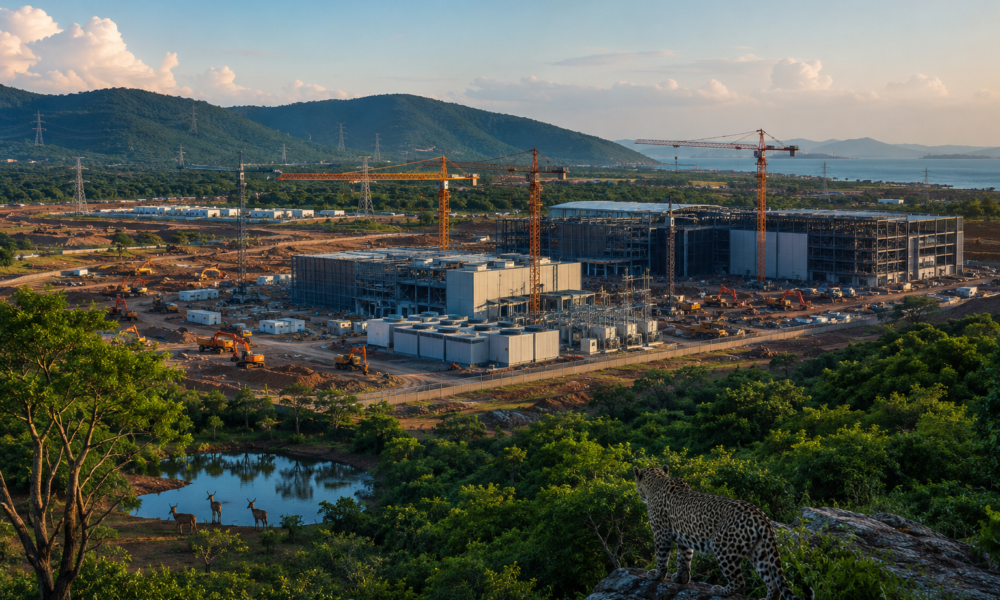
Google’s massive AI data centre project in Visakhapatnam, Andhra Pradesh, is moving ahead with construction, but concerns over water supply and the environment are now becoming a major part of the project’s story.
The technology giant is investing around $15 billion in the project, making it one of its biggest investments in India. Google announced the AI hub in 2025 and began construction in April 2026. The facility is being developed with AdaniConneX and is planned as a gigawatt-scale data centre hub to support artificial intelligence and cloud services.
The project is expected to bring large-scale digital infrastructure to Visakhapatnam and create thousands of jobs. Reuters reported that the wider project could create up to 188,000 jobs, while the Andhra Pradesh government sees the investment as an important step towards making the state a major technology and AI destination.
However, environmental groups and local activists are questioning whether the city has enough resources to support such a large facility.
One of the biggest concerns is water. According to the Andhra Pradesh government, Visakhapatnam currently receives around 410 million litres of water every day from reservoirs and rivers, while daily demand is around 480 million litres. Water rationing is already common in the city, which has a population of about 2.5 million.
Activists have raised concerns that a large AI data centre could put additional pressure on local water resources. They have also questioned the project’s proximity to the Kambalakonda Wildlife Sanctuary, which is around 860 metres from the site. The sanctuary is home to wildlife including leopards and pangolins.
The concerns have now reached the courts. The Andhra Pradesh High Court has asked the state government to respond to allegations that the project could affect water availability. The court is scheduled to hear the public interest litigation again on 24 August. The Human Rights Forum has also filed cases before the environmental court seeking a halt to the project over concerns about water use and environmental impact.
The Andhra Pradesh government has rejected claims that the project was approved without considering environmental risks. It has said that water meant for rural and residential use will not be diverted to the data centres and that the nearby reservoir will not be used.
Google has also said it will use advanced air-cooling technology to reduce pressure on local water resources. The company has promised sound-reduction measures as well, given the project’s proximity to the wildlife sanctuary.
For India, the Vizag project highlights a bigger infrastructure challenge. The country is rapidly building data centres to support AI, cloud computing and digital services. But these facilities require large amounts of electricity, cooling systems, land and supporting infrastructure.
The question is no longer simply how quickly India can build AI infrastructure. It is also whether cities can provide the water, power and environmental safeguards needed to support it.
Visakhapatnam could become an important AI infrastructure hub, but the coming months will show whether rapid digital growth can be balanced with the needs of the city and its surrounding environment.






No Comment! Be the first one.