




Hyderabad’s Infrastructure Boom: Why the City Is Emerging as India’s Next Major Growth Hub
Hyderabad has steadily evolved from a major technology and pharmaceutical centre into one of India’s most important infrastructure growth markets. The city’s expansion is being driven by...

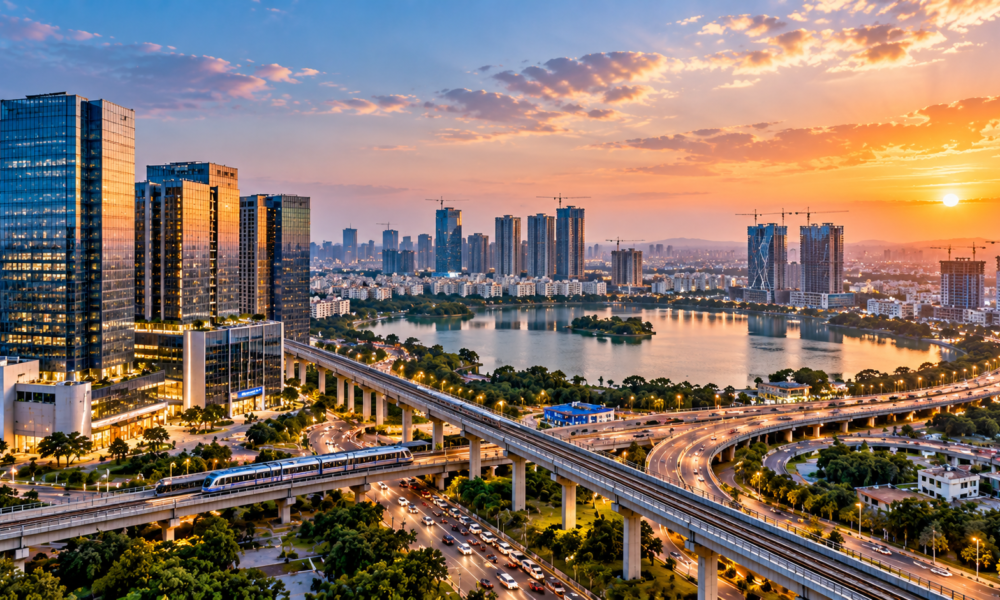
Hyderabad has steadily evolved from a major technology and pharmaceutical centre into one of India’s most important infrastructure growth markets.
The city’s expansion is being driven by several forces at the same time: technology companies, global capability centres, pharmaceuticals, data centres, manufacturing, residential development and large-scale transport projects.
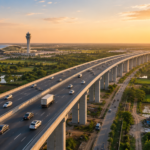
One of the most important infrastructure requirements is mobility. Hyderabad’s existing Metro Rail network is being complemented by plans for a much larger Phase-II expansion. The proposed Phase-II network covers around 122.9 km across seven corridors, with an estimated project cost of ₹38,595 crore.
The significance of such an expansion goes beyond public transport. Metro infrastructure can influence where businesses locate offices, where housing is developed and how commercial corridors evolve.
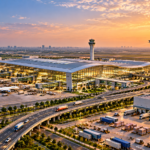
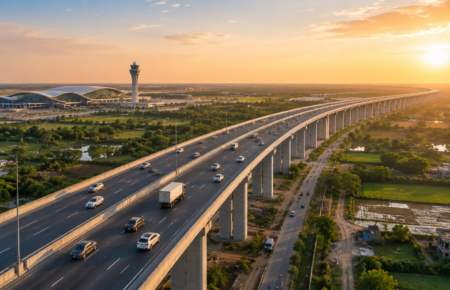
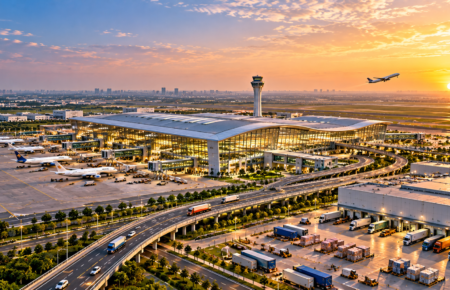
The city’s airport connectivity is another major factor. Hyderabad’s Rajiv Gandhi International Airport provides an important link for business travel, logistics and international connectivity. Future transport proposals involving the airport and planned development areas could further reshape the city’s growth pattern.
Digital infrastructure is also becoming increasingly important. Hyderabad is one of India’s major data-centre markets, and operators are expanding capacity to meet demand from cloud services, AI and enterprise digitisation.
The city also benefits from its position as a technology and services hub. Recent corporate expansion announcements reinforce Hyderabad’s ability to attract large employers. This creates a cycle: new businesses increase demand for offices, housing and transport, while better infrastructure makes the city more attractive to additional investment.
But rapid growth also creates risks.
Traffic congestion, water demand, urban flooding and pressure on public services can increase when infrastructure expansion fails to keep pace with population growth.
The challenge for Hyderabad is therefore not simply to build more infrastructure. It is to build integrated infrastructure.
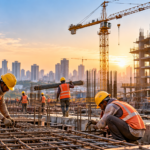
Transport corridors must connect employment centres with residential areas. New commercial districts need reliable water and power. Data centres need electricity and fibre. Industrial development needs logistics links.
Hyderabad’s next phase could therefore be defined by how well these systems are integrated.
If the city can combine transport expansion, digital infrastructure, industrial development and urban planning effectively, it could strengthen its position as one of India’s most important growth hubs over the next decade.




No Comment! Be the first one.