



Varanasi Infrastructure Development: How Roads, Railways and Urban Projects Are Transforming the City
Varanasi’s infrastructure transformation is increasingly changing the economic geography of the city. For years, Varanasi was primarily viewed through the lens of religion, tourism and...

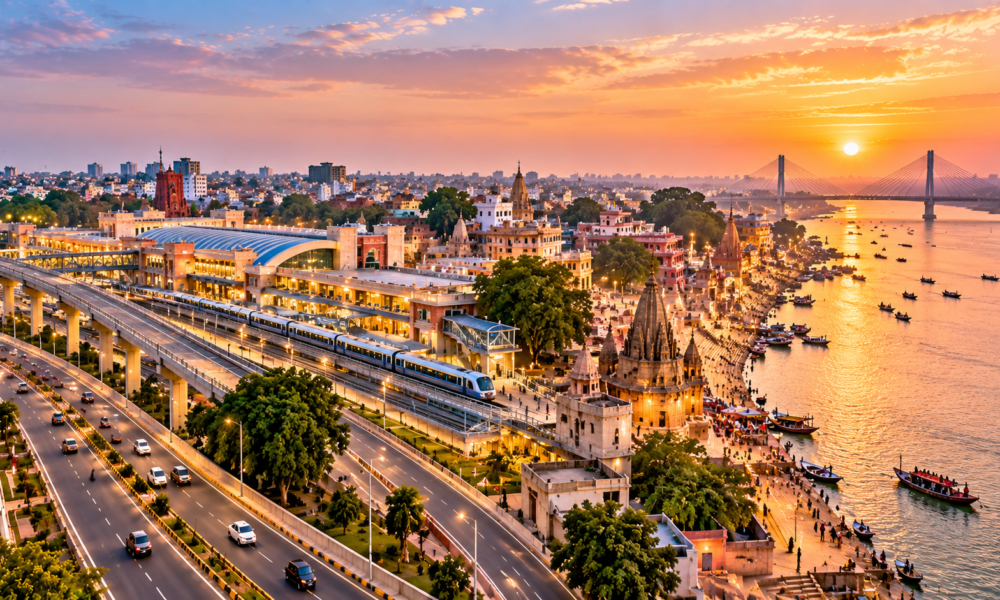
Varanasi’s infrastructure transformation is increasingly changing the economic geography of the city.
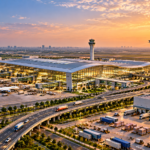
For years, Varanasi was primarily viewed through the lens of religion, tourism and heritage. Today, the city is also becoming an important transport, logistics and urban infrastructure node in eastern Uttar Pradesh.
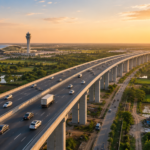
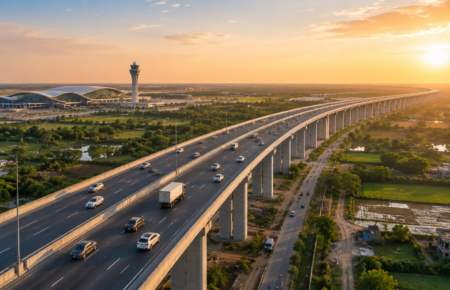
Road infrastructure has been one of the most visible parts of this transformation. Multiple highway and city-road projects have been undertaken to improve connectivity between Varanasi and surrounding districts.
Rail infrastructure is equally important.
The region is connected to major railway corridors, while projects involving doubling, electrification, freight movement and railway overbridges are designed to improve both passenger and goods movement.
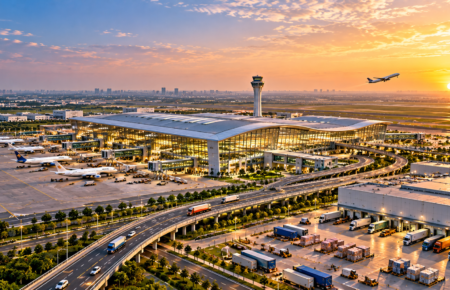
The Dedicated Freight Corridor connection is particularly significant because freight infrastructure can change the role of a city within a regional economy. Faster goods movement can improve supply chains and strengthen connections between industrial areas and markets.
Urban infrastructure is another major component.
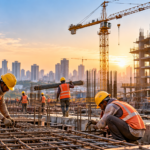
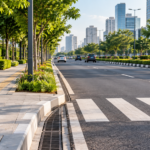
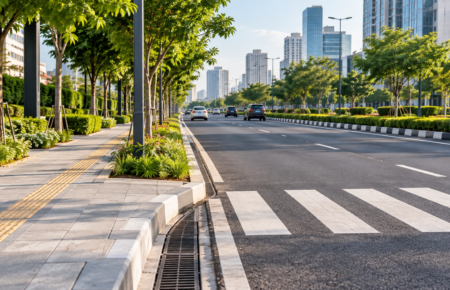
Projects involving sewage systems, drinking water, power distribution, roads, public amenities and tourism infrastructure can directly affect the quality of urban life.
Varanasi’s infrastructure development also has a strong tourism dimension. The city attracts millions of visitors, creating pressure on roads, public spaces, accommodation, sanitation, waste management and riverfront facilities.
Infrastructure investment therefore has to balance modernisation with heritage preservation.
The challenge is complicated because Varanasi has a dense historic core where widening roads or introducing new infrastructure can be difficult.
The city’s future growth could increasingly occur through better-connected peripheral areas. Improved highways and ring-road connections can allow commercial activity, housing and logistics facilities to develop beyond the congested core.
This could gradually create a wider Varanasi urban region.
For real estate, improved connectivity can be especially important. Areas that previously suffered from long travel times can become more attractive once road and rail links improve.
But infrastructure alone does not guarantee sustainable urban growth. Water supply, drainage, waste management, public transport and affordable housing must expand alongside roads and commercial development.
Varanasi’s transformation is therefore not simply a collection of individual projects. It represents a broader attempt to integrate heritage, tourism, transport and urban development.
If executed effectively, infrastructure could help Varanasi evolve from a primarily pilgrimage-oriented city into a more diversified regional economic centre while retaining its cultural identity.



No Comment! Be the first one.