








Garib Rath Express: Why Indian Railways Introduced This Low-Cost Train Service
The Garib Rath Express was created around a simple infrastructure and mobility idea: make air-conditioned long-distance rail travel more accessible to ordinary passengers. The concept emerged in the...

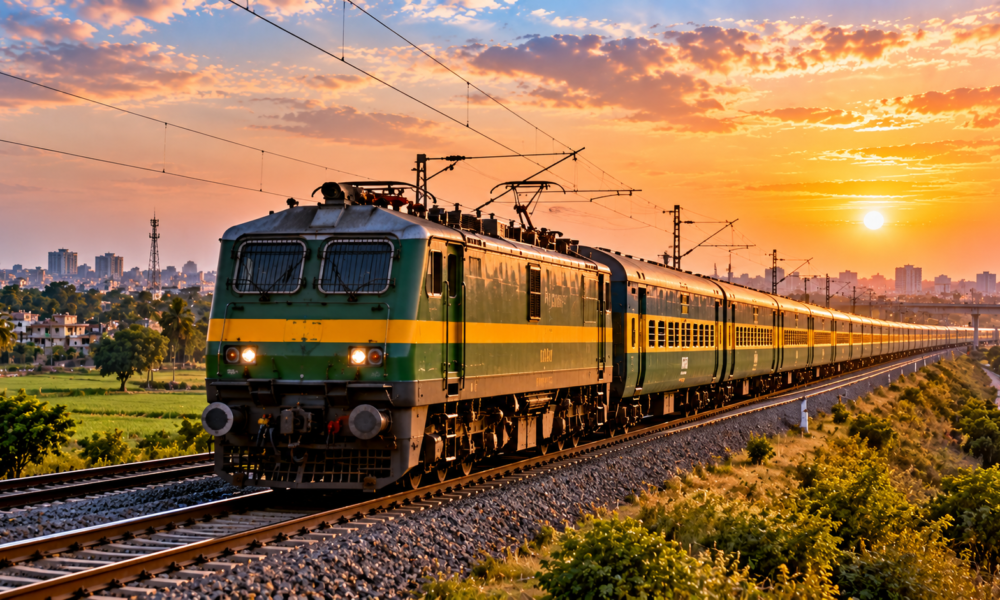
The Garib Rath Express was created around a simple infrastructure and mobility idea: make air-conditioned long-distance rail travel more accessible to ordinary passengers.
The concept emerged in the mid-2000s, when Indian Railways was looking at ways to provide affordable AC travel while increasing passenger capacity.
The solution was different from traditional premium trains.
Garib Rath coaches were designed with higher passenger density. Early AC three-tier coaches could accommodate 75 passengers compared with around 64 berths in conventional AC three-tier coaches.
The model reduced some of the features associated with premium services while retaining air conditioning.
The objective was not to create a luxury train. It was to create a higher-capacity, lower-cost AC service.
The idea also reflected changes taking place in India’s transport market. Low-cost airlines were expanding and competing for long-distance passengers. Railways therefore needed to think about affordability, speed and comfort together.
Garib Rath represented an unusual approach to railway infrastructure because it focused on improving the utilisation of existing railway capacity rather than simply building entirely new infrastructure.
Higher passenger capacity per coach meant more passengers could be carried using a similar train formation and railway corridor.
The service also demonstrated how train design can influence the economics of mass transportation.
Infrastructure is not only about tracks, bridges and stations. Rolling stock is equally important. The design of a coach determines how many passengers can travel, how much energy is used per passenger and how efficiently a railway system can operate.
The Garib Rath concept also had a social infrastructure dimension.
Air-conditioned travel was traditionally associated with higher-income passengers. By offering a lower-cost AC alternative, the service expanded access to a more comfortable mode of long-distance travel.
Its relevance remains because India’s transport challenge continues to be one of scale. Hundreds of millions of people need affordable mobility, particularly between major cities and employment centres.
The lesson from Garib Rath is straightforward: infrastructure innovation does not always require a completely new railway line.
Sometimes, better design, higher utilisation and careful cost management can make existing infrastructure serve significantly more people.






[…] ALSO READ: https://xinfra.onextelcommunication.com/garib-rath-express-low-cost-ac-train/ […]