







September 2026 Car Sales: What the Latest Numbers Say About India’s Auto Market
India’s September 2026 car-sales figures are drawing attention as automakers enter the festive buying season. A report published on October 10 cited total sales of 4,57,604 vehicles for the month,...

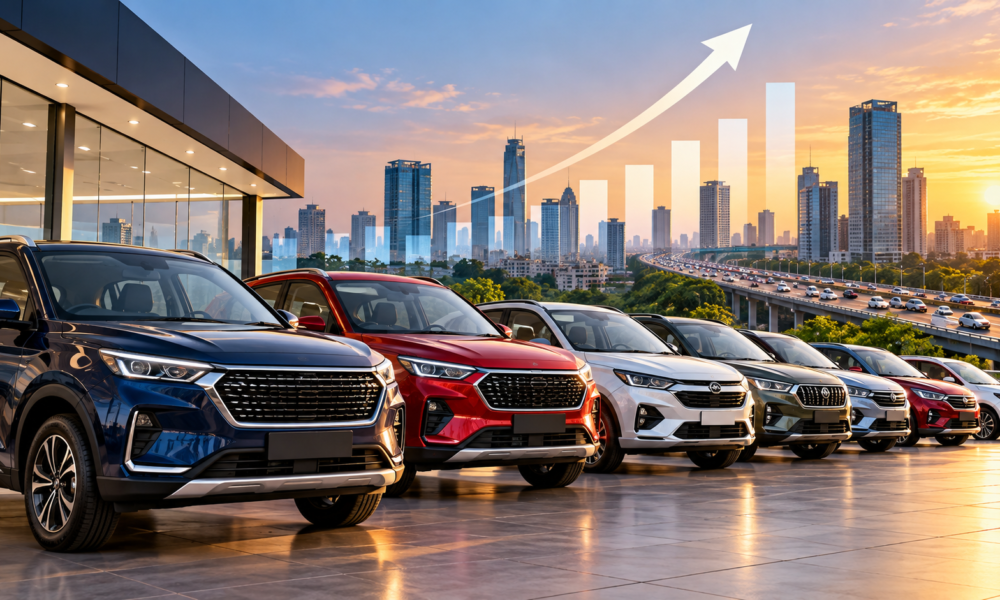
India’s September 2026 car-sales figures are drawing attention as automakers enter the festive buying season. A report published on October 10 cited total sales of 4,57,604 vehicles for the month, compared with 3,78,457 in September 2025. The report described an increase of around 20%. Because different industry sources measure retail registrations, wholesales and manufacturer dispatches differently, the figure should be read alongside the original data source and its definition before being treated as an industry-wide total.
Table Of Content
The broader direction is important: vehicle demand is shaped by household confidence, financing costs, new model launches, fuel prices and the timing of festivals. A strong monthly headline can reflect several of these factors at once, rather than a permanent acceleration in demand.
SUVs remain central to the market
Utility vehicles have become a major focus for Indian manufacturers. Buyers often value higher seating, cabin space, road presence and a broad range of features. Automakers have responded with new variants, refreshed models and vehicles across price bands. However, a growing SUV share does not mean every buyer benefits from choosing a larger vehicle. Purchase price, fuel economy, insurance, service costs and parking needs remain important parts of total ownership cost.
The market also contains several different segments. Entry-level hatchbacks serve budget-conscious buyers, compact SUVs compete for family purchases, and premium vehicles depend on a smaller customer base. Looking only at total sales can hide differences between these segments.
Festive demand and affordability
September often sits close to the main festive shopping period, when manufacturers and dealers may introduce offers, exchange bonuses or financing schemes. These incentives can encourage customers to bring forward a purchase. Buyers should compare the final on-road price rather than focusing only on a headline discount. Processing fees, insurance, accessories, loan terms and waiting periods can change the actual deal.
For households using vehicle finance, the monthly EMI is only one part of the budget. Fuel or charging, maintenance, tyres, parking and insurance renewals should also be considered. A vehicle that appears affordable at the showroom can become expensive over several years if running costs are ignored.
What about electric and CNG vehicles?
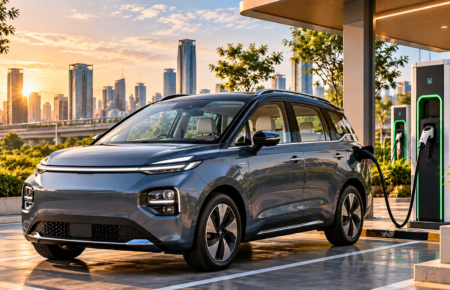
Alternative powertrains are another important trend to track. Electric vehicles can reduce tailpipe emissions and may lower running costs for some drivers, but the overall value depends on purchase price, charging access, electricity tariffs, driving distance and battery warranty. CNG vehicles can appeal to high-mileage users where fuel availability is convenient, although boot space and local fuel prices may affect the decision.
For fleet operators and commercial users, predictable running costs and access to refuelling or charging infrastructure may matter more than a vehicle’s launch price alone.
What the numbers do not tell us
A single month cannot establish the long-term health of the market. Analysts need to compare year-on-year and month-on-month performance, segment-level sales, inventory, rural and urban demand, and official manufacturer or industry-association data. Dispatches to dealers are not always the same as vehicles purchased by end customers.
For consumers, the practical lesson is to compare vehicles based on total cost of ownership and actual needs. For businesses and infrastructure planners, sales trends can help indicate where demand for roads, parking, charging points and service networks may grow. The most useful reading of September’s data is therefore not simply that sales rose, but what the underlying numbers reveal about affordability and the next phase of India’s mobility market.





No Comment! Be the first one.