








Bengaluru Urban Flooding: What Blocked Drains and Poor Stormwater Planning Mean for Real Estate
Heavy rainfall can expose weaknesses in a city’s drainage systems, roads and residential developments. Bengaluru’s recent flooding has once again raised questions about how urban...

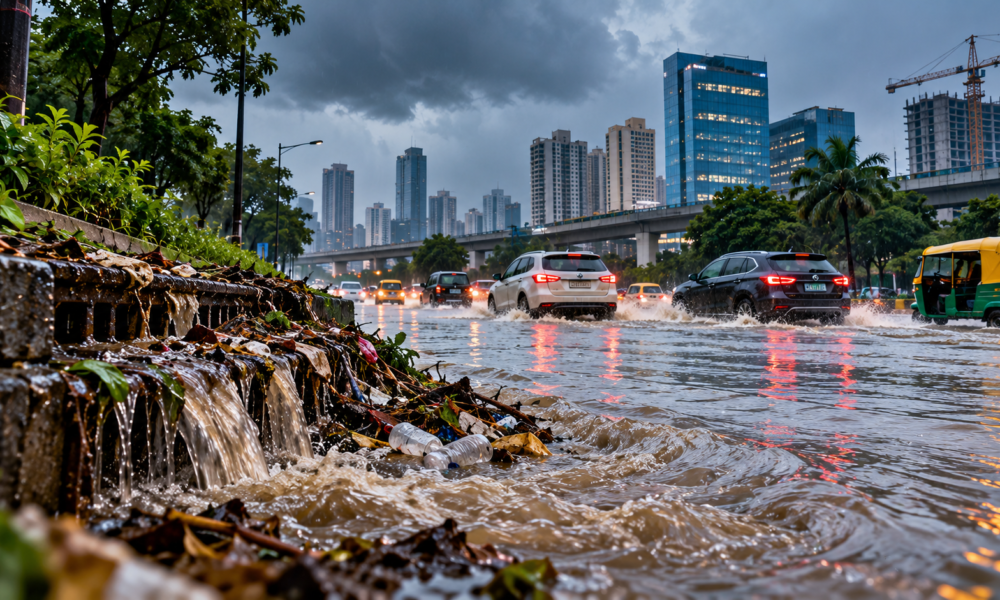
Heavy rainfall can expose weaknesses in a city’s drainage systems, roads and residential developments. Bengaluru’s recent flooding has once again raised questions about how urban infrastructure is planned, maintained and connected.
On October 1, 2026, The Indian Express reported that a compound wall at the Provident Harmony residential complex near Sampigehalli collapsed after overnight rain, with residents attributing the flooding to blocked drainage. Vehicles and parts of the residential complex were affected.
The incident highlights a wider issue for India’s property market: a building’s quality cannot be judged by its interiors and amenities alone. Drainage, site elevation and the surrounding area’s ability to handle heavy rain also matter.
Why Does Urban Flooding Happen?
Urban flooding can occur when rainfall exceeds the capacity of drains, streams and other water-management systems. Roads and buildings replace natural surfaces with concrete and other materials that allow less water to soak into the ground.
When rainwater cannot flow away quickly, it may collect on roads, enter basements or put pressure on compound walls. Blocked drains, poorly maintained channels and construction that interrupts natural water flow can make the problem worse.
Flooding usually results from several factors working together. Heavy rainfall may trigger the event, but the level of damage also depends on drainage design, maintenance, land use and the condition of nearby infrastructure.
What Does This Mean for Residential Projects?
Residential complexes often include underground parking, electrical equipment, sewage treatment plants, lifts and water systems. Floodwater can damage these facilities and disrupt everyday life for residents.
Basement flooding may affect vehicles and electrical installations. Water entering sewage treatment facilities or borewells can create additional repair and sanitation concerns. Damage to common areas may also increase maintenance costs for housing societies.
Developers therefore need to consider stormwater management during project planning. This includes assessing site elevation, identifying natural drainage routes and ensuring that rainwater has a safe path away from buildings.
What Should Homebuyers Check?
Homebuyers can ask developers and housing societies about the site’s flood history, stormwater drainage design and basement protection measures.
They should inspect whether the property sits in a low-lying area and whether nearby roads or access routes become waterlogged during heavy rain. It is also useful to check how drainage channels are maintained and whether the building has suitable pumps and backup systems.
Buyers should review relevant approvals and technical information rather than relying only on a sales brochure. A landscaped entrance or premium clubhouse cannot compensate for inadequate drainage.
Why City-Level Planning Matters
A single residential project cannot solve flooding if surrounding roads, drains and waterways are unable to carry rainwater away. Urban authorities, developers and infrastructure agencies need to coordinate drainage networks and protect natural water channels.
Regular cleaning of drains, enforcement of building rules and proper maintenance of stormwater infrastructure can reduce some risks. Better rainfall monitoring and emergency planning can also help residents and local authorities respond more quickly.
However, no drainage system can eliminate every flood risk. Planning must consider extreme rainfall events as well as routine weather conditions.
Conclusion
Bengaluru’s flooding concerns show why urban resilience is becoming an important part of real estate quality. Homebuyers and investors should look beyond location and amenities to examine drainage, flood exposure and maintenance.
For developers, stronger stormwater planning can help protect buildings, reduce damage and improve the long-term reliability of residential projects.









No Comment! Be the first one.